Booing and Division: The Dark Underbelly of Anzac Day as Racist Tensions Simmer Across Australia
- Indigenous leaders were met with jeers and booing during Anzac Day services in Sydney, Melbourne, and Perth, sparking widespread condemnation and concern over rising racist tensions.
- The incidents have raised questions about the state of community cohesion and the impact of divisive rhetoric on Australian society.
- Experts warn that the booing is a symptom of a broader problem, with some individuals feeling increasingly emboldened to express racist views in the wake of the 2023 Voice to Parliament referendum.
- As Australia grapples with the fallout, leaders are calling for greater awareness and education about racism and its effects on the social fabric of the country.
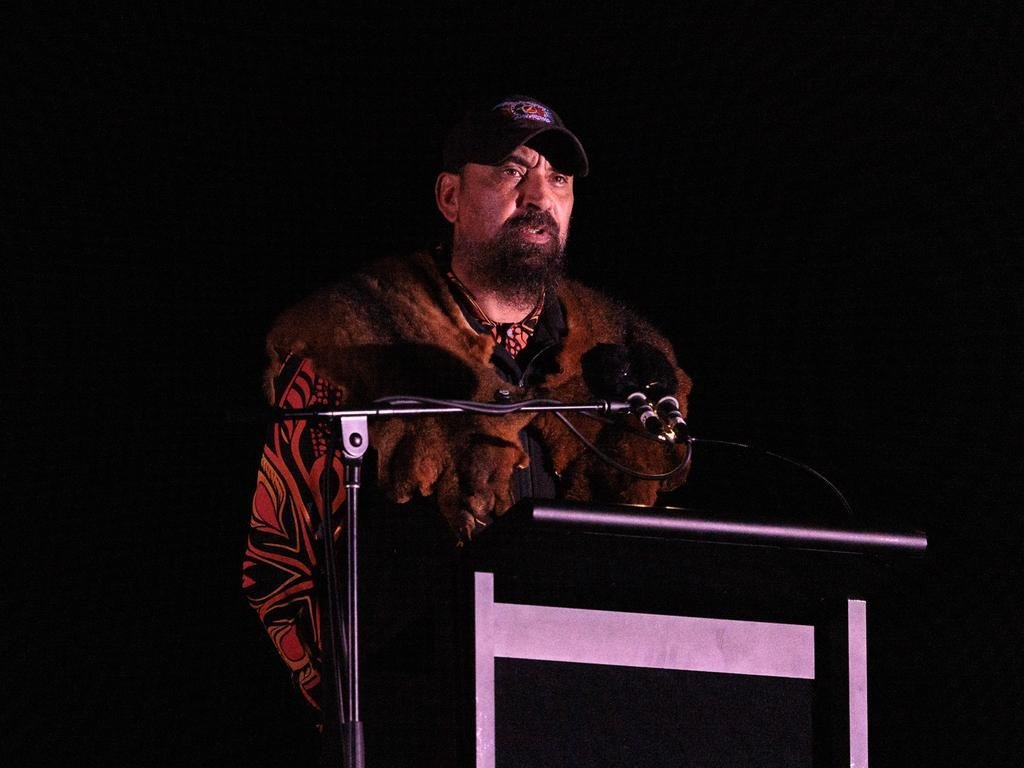
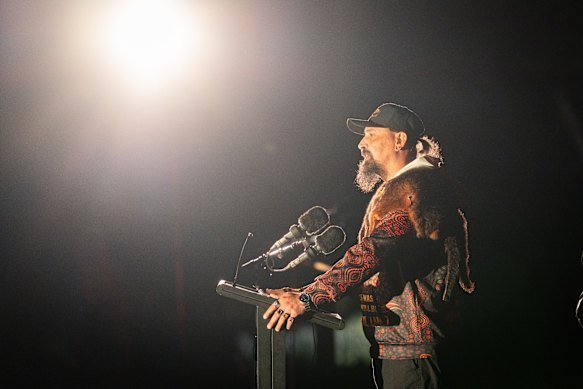
Uncle Ray Minniecon’s voice remained steady as he delivered the Acknowledgement of Country at the Sydney Anzac Day service, despite the jeers and booing that rang out for over a minute.
It was a moment that would be repeated in Melbourne and Perth, leaving many to wonder what lies beneath the surface of Australian society.
The incidents have sparked widespread condemnation, with RSL Australia president Peter Tinley describing the booing as “sad” and “un-Australian.” But for Uncle Ray, the reaction was all too familiar.
He believes that the rise in public displays of racism is a direct result of the 2023 Voice to Parliament referendum, which he says has given some individuals a sense of legitimacy to attack Indigenous Australians.
Experts agree that the booing is a symptom of a broader problem. Tanya Hosch, who led the implementation of the AFL’s enhanced Indigenous strategy, notes that people feel increasingly emboldened to express racist views.
“I think that the failure of the referendum definitely sent some messages to people … that I think have created an environment where people feel a greater degree of freedom to voice their views around racist ideology,” she said.
Analysis: What This Means for Australia
The booing on Anzac Day has serious implications for community cohesion and national unity.
As Senator Jonno Duniam notes, the rise in public displays of racism raises concerns that community cohesion is “going out the door.” The incident also highlights the need for greater awareness and education about racism and its effects on Australian society.
As Ms Hosch says, “We need a greater amount of fluency and understanding about racism and how it is demonstrated … and how damaging it is to the social fabric of this country.”
Security analysts say that the booing is a wake-up call for Australian authorities, highlighting the need for greater vigilance and coordination to prevent similar incidents in the future.
“It’s not about perfection, because you can’t control what happens in a crowd,” Ms Hosch notes. “But there are strategies that can be employed, and it’s up to everyone to condemn this disrespect when we see it.”
Law enforcement insiders warn that the booing is a warning sign of a more sinister trend. “Our police do an incredible job, but they cannot prevent everything from occurring,” NSW Police Minister Yasmin Catley said.
“It’s up to everyone to call out this disrespect when we see it.”
As Australia grapples with the fallout from the booing, it’s clear that the country is at a crossroads. Will it continue down a path of division and racism, or will it find a way to come together and celebrate its diversity?
The answer remains to be seen, but one thing is certain: the booing on Anzac Day has exposed a dark underbelly of Australian society that cannot be ignored.