Japan Teeters on Brink of Disaster as 6.1 Magnitude Earthquake Strikes Amid Devastating Wildfires and Tsunami Fears
- A magnitude-6.1 earthquake hits northern Japan, sparking fresh fears of a potential mega-quake and tsunami
- 1,400 firefighters battle raging mountain blazes that have already burnt 1,373 hectares of land and threaten homes in coastal town of Otsuchi
- Climate change blamed for increased frequency of wildfires in Japan, with hot, dry and windy conditions fanning the flames
- Residents in Otsuchi prepare for evacuation as flames close in, with one resident saying “fire won’t be able to catch up to us since it does not move as fast as a tsunami”
The earthquake, which struck at 5:24am local time, has sent shockwaves through the region, which is already reeling from devastating wildfires that have been raging for five days.
The quake’s epicenter was located 18 kilometers west of the small town of Sarabetsu in Hokkaido, at a depth of 81 kilometers.
The earthquake comes just a week after a magnitude-7.7 quake off northern Japan triggered a short-lived tsunami alert and an advisory of a slightly higher risk of a possible mega-quake for its coastal areas.
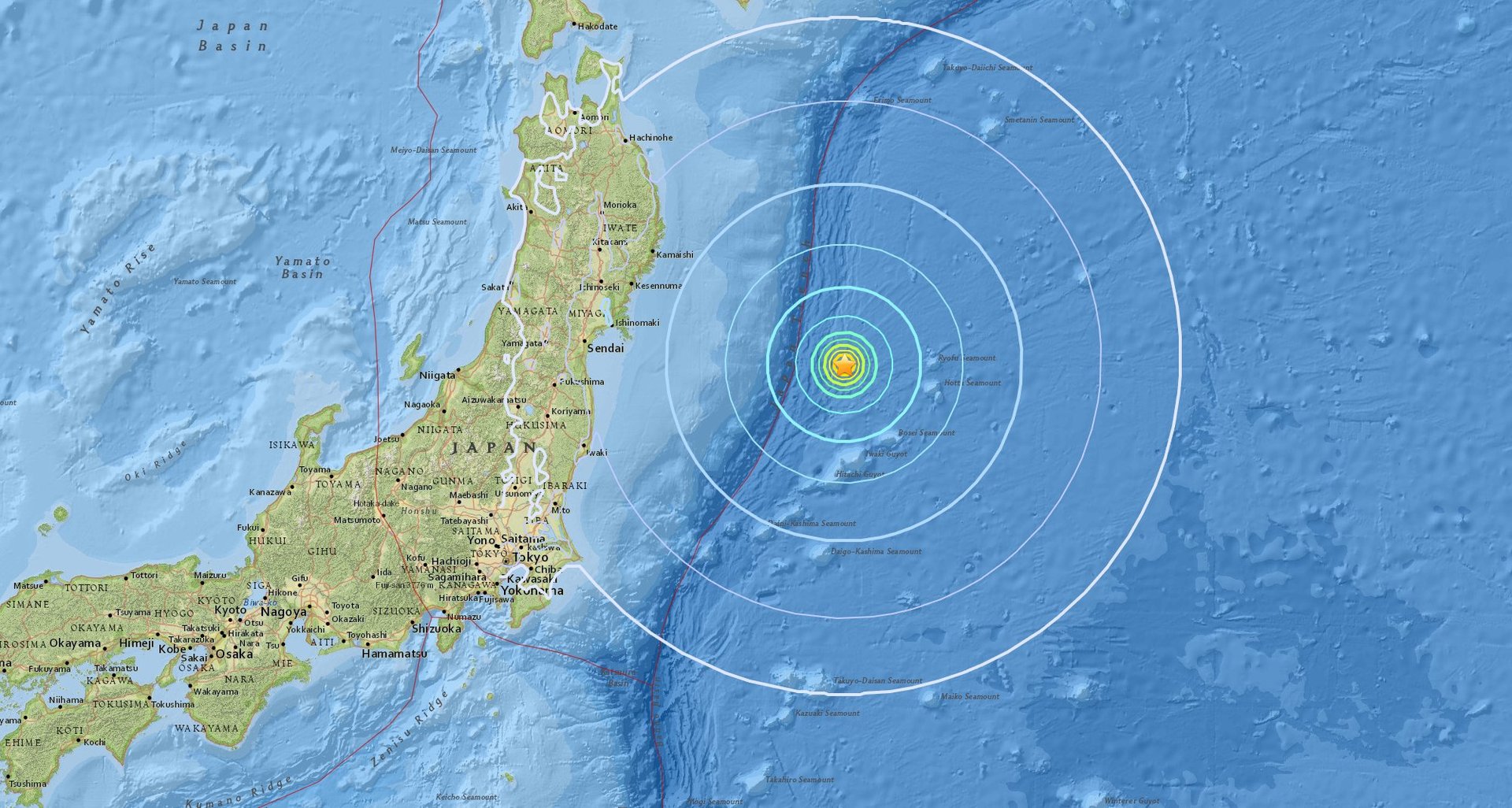
The warning led to widespread evacuation orders affecting about 170,000 people. The recent quake has raised fresh concerns about the region’s vulnerability to natural disasters.
The wildfires, which have burnt 1,373 hectares of land, are threatening residential districts of Otsuchi on the Pacific Coast. The town, which lost nearly a 10th of its population in the March 2011 earthquake and tsunami, is on high alert.




Authorities have expanded the scope of evacuation orders to 1,558 households or 3,257 residents, roughly a third of Otsuchi’s population.
Residents are bracing for the worst, with some using hoses to spray water onto their houses and surrounding foliage in a desperate bid to keep the flames at bay.
“I am prepared to evacuate by my car at any time.
Fire won’t be able to catch up to us since it does not move as fast as a tsunami,” said 67-year-old resident Shigeki Fujiwara.
Flames are visible from Fujiwara’s home, and while his family has already been evacuated, he has chosen to stay behind due to concerns about his house.
The only casualty to date has been one minor injury suffered when a person fell at an evacuation centre.
Climate change has been blamed for the increased frequency of Japan’s wildfires, especially in the early spring months before the humid rainy season. Hot, dry and windy conditions have whipped up flames, making it difficult for firefighters to contain the blazes.
Analysis: What This Means for Australia
The devastating earthquakes and wildfires in Japan serve as a stark reminder of the country’s vulnerability to natural disasters. As a key player in the Asia-Pacific region, Australia has a vested interest in Japan’s stability and security.
The region’s increased susceptibility to natural disasters poses significant challenges for Australia’s disaster response and emergency management efforts.
Law enforcement insiders warn that the frequency and severity of natural disasters in Japan could have far-reaching implications for regional security and stability.
“The increasing frequency of natural disasters in Japan highlights the need for Australia to strengthen its disaster response and emergency management capabilities,” said a security analyst.
Experts believe that climate change is a major contributor to the increased frequency of natural disasters in Japan. “Climate change is a global issue that requires a coordinated response.
Australia must work closely with Japan and other regional partners to address the root causes of climate change and develop effective strategies for disaster response and recovery,” said an environmental expert.
As Japan struggles to contain the wildfires and recover from the earthquakes, Australia must be prepared to provide support and assistance to its regional partner.
The Australian government must also take a proactive approach to addressing the root causes of climate change and developing effective strategies for disaster response and recovery.