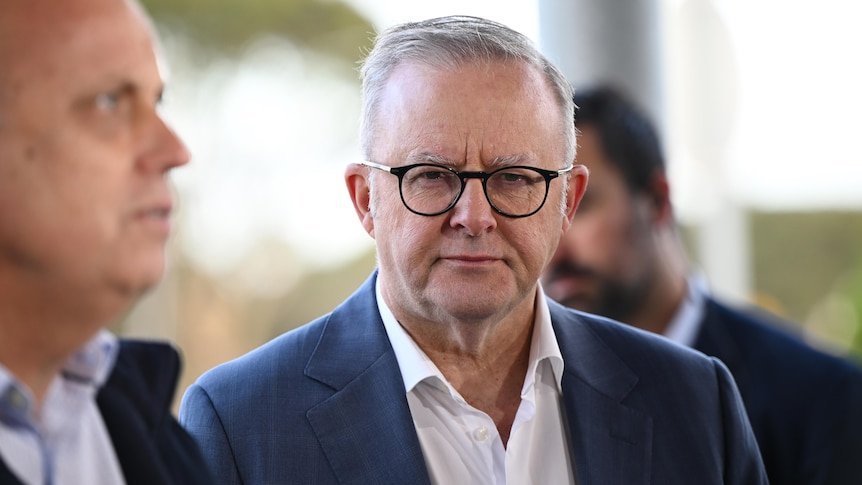
Strait of Hormuz Closure Sparks Global Economic Chaos: Treasurer Jim Chalmers Faces Budget Nightmare as Oil Prices Soar
- The closure of the Strait of Hormuz has sparked a global economic crisis, with oil prices skyrocketing and the Australian budget hanging in the balance.
- Treasurer Jim Chalmers faces a daunting task in preparing the 2026 federal budget, with the situation in the Middle East showing no signs of resolution.
- The global economy is on the brink of recession, with the price of plastic packaging and food rising rapidly due to shortages of naphtha and urea fertilizers.
- Analysts warn that if the Strait of Hormuz remains closed, Australia’s economy will suffer, with higher inflation and lower economic growth a likely outcome.
The closure of the Strait of Hormuz has sent shockwaves through the global economy, with the Australian government facing a tough task in preparing the 2026 federal budget.
Treasurer Jim Chalmers will have to make some difficult decisions, with the situation in the Middle East showing no signs of resolution. The strait, which is a critical waterway for oil exports, has been closed by Iran, causing oil prices to skyrocket.
The global economy is already feeling the effects of the closure, with the price of plastic packaging and food rising rapidly due to shortages of naphtha and urea fertilizers.

The situation is likely to worsen if the strait remains closed, with analysts warning of higher inflation and lower economic growth. The Australian economy is particularly vulnerable, with the country’s reliance on oil imports making it susceptible to price shocks.
The closure of the Strait of Hormuz is a complex issue, with both the United States and Iran digging in their heels. The US has imposed a blockade on Iranian ports, while Iran has refused to negotiate until the blockade is lifted.


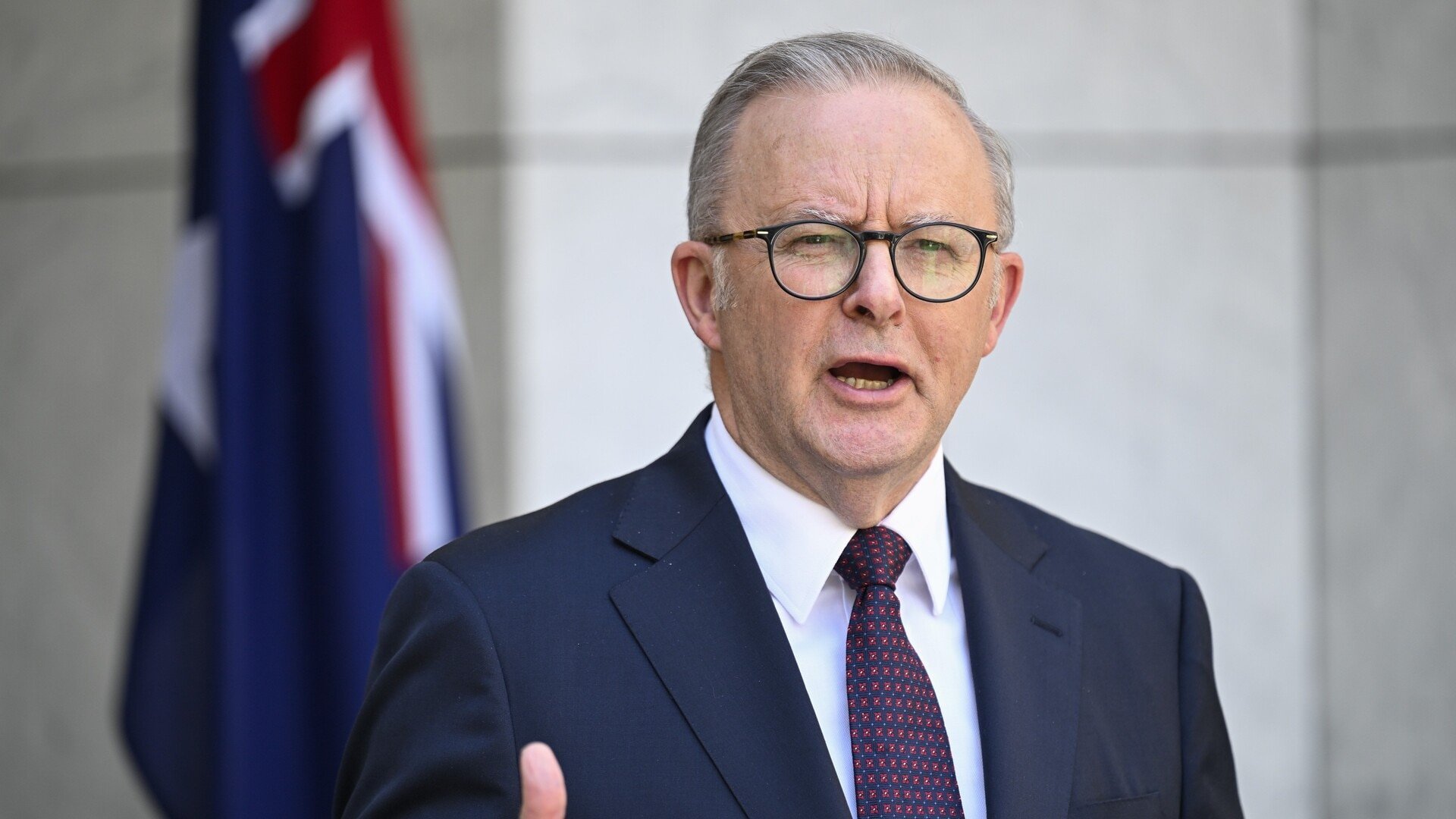

The situation has been described as a “hostage/siege phase,” with neither side willing to back down. The Australian government is facing a difficult decision, with the budget due to be released in May.
The Treasury will have to make assumptions about the future of the oil price and the impact of the closure on the economy. However, with the situation in the Middle East showing no signs of resolution, it is difficult to predict what the future holds.
Analysis: What This Means for AustraliaThe closure of the Strait of Hormuz has significant implications for Australia’s national security and economy.
The country’s reliance on oil imports makes it vulnerable to price shocks, and the closure of the strait has already caused prices to rise. The situation also has implications for Australia’s relationships with other countries in the region, particularly those that rely on the strait for oil exports.
The Australian government will have to walk a fine line in its response to the crisis, balancing its relationships with the US and Iran with its own economic and national security interests.
The situation highlights the need for Australia to diversify its energy sources and reduce its reliance on oil imports.
Security analysts say that the closure of the Strait of Hormuz is a wake-up call for Australia, highlighting the need for the country to develop a more robust energy security strategy.
The situation also highlights the importance of building strong relationships with other countries in the region, particularly those that are not reliant on the strait for oil exports.
Law enforcement insiders warn that the closure of the Strait of Hormuz also has implications for Australia’s border security, with the potential for increased piracy and smuggling in the region.
The situation highlights the need for Australia to work closely with its regional partners to address these threats and protect its borders. The closure of the Strait of Hormuz is a complex issue, with no easy solution in sight.
The Australian government will have to navigate a difficult diplomatic landscape, balancing its relationships with the US and Iran with its own economic and national security interests.
The situation highlights the need for Australia to develop a more robust energy security strategy and to build strong relationships with other countries in the region.
The closure of the Strait of Hormuz has sent shockwaves through the global economy, with the Australian government facing a tough task in preparing the 2026 federal budget. Treasurer Jim Chalmers will have to make some difficult decisions, with the situation in the Middle East showing no signs of resolution. The strait, which is a critical waterway for oil exports, has been closed by Iran, causing oil prices to skyrocket.
The global economy is already feeling the effects of the closure, with the price of plastic packaging and food rising rapidly due to shortages of naphtha and urea fertilizers. The situation is likely to worsen if the strait remains closed, with analysts warning of higher inflation and lower economic growth. The Australian economy is particularly vulnerable, with the country’s reliance on oil imports making it susceptible to price shocks.
The closure of the Strait of Hormuz is a complex issue, with both the United States and Iran digging in their heels. The US has imposed a blockade on Iranian ports, while Iran has refused to negotiate until the blockade is lifted. The situation has been described as a “hostage/siege phase,” with neither side willing to back down.
The Australian government is facing a difficult decision, with the budget due to be released in May. The Treasury will have to make assumptions about the future of the oil price and the impact of the closure on the economy. However, with the situation in the Middle East showing no signs of resolution, it is difficult to predict what the future holds.
The closure of the Strait of Hormuz has significant implications for Australia’s national security and economy. The country’s reliance on oil imports makes it vulnerable to price shocks, and the closure of the strait has already caused prices to rise. The situation also has implications for Australia’s relationships with other countries in the region, particularly those that rely on the strait for oil exports.
The Australian government will have to walk a fine line in its response to the crisis, balancing its relationships with the US and Iran with its own economic and national security interests. The situation highlights the need for Australia to diversify its energy sources and reduce its reliance on oil imports.
Security analysts say that the closure of the Strait of Hormuz is a wake-up call for Australia, highlighting the need for the country to develop a more robust energy security strategy. The situation also highlights the importance of building strong relationships with other countries in the region, particularly those that are not reliant on the strait for oil exports.
Law enforcement insiders warn that the closure of the Strait of Hormuz also has implications for Australia’s border security, with the potential for increased piracy and smuggling in the region. The situation highlights the need for Australia to work closely with its regional partners to address these threats and protect its borders.
The closure of the Strait of Hormuz is a complex issue, with no easy solution in sight. The Australian government will have to navigate a difficult diplomatic landscape, balancing its relationships with the US and Iran with its own economic and national security interests. The situation highlights the need for Australia to develop a more robust energy security strategy and to build strong relationships with other countries in the region.