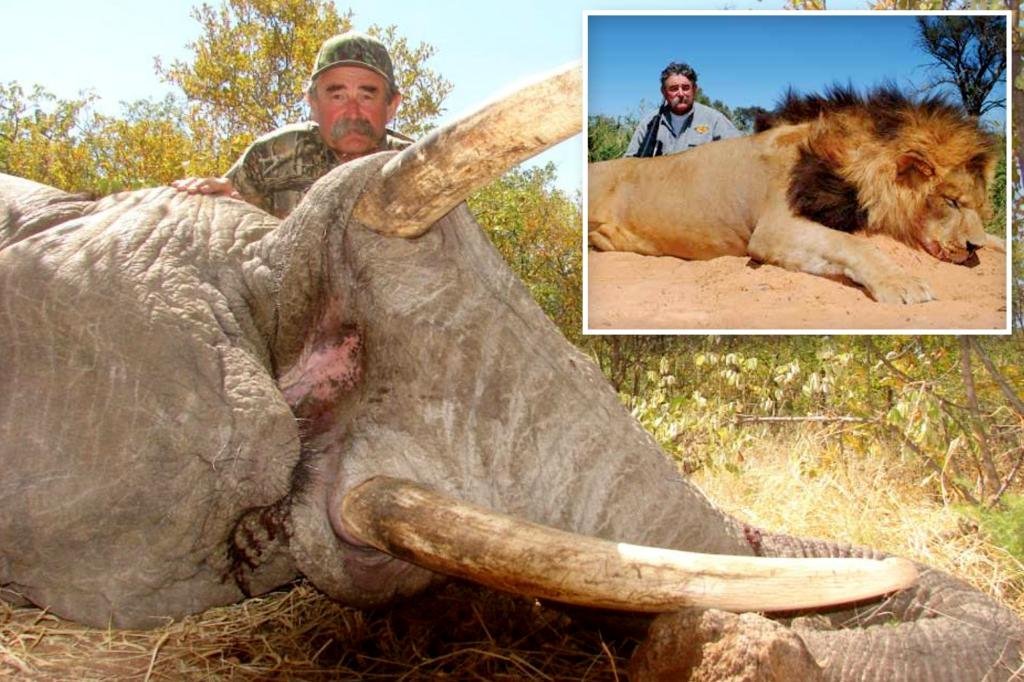
‘Trophy Hunter’s Tragic End: Millionaire Winery Owner Ernie Dosio Trampled by Elephants in Africa’
- A well-known millionaire trophy hunter met a grisly end in the Gabonese rainforest, trampled by a herd of five rampaging elephants while on a $40,000 big game hunt
- Ernie Dosio, 75, was described by loved ones as a “good old country boy” who loved the outdoors, but his passion for hunting ultimately led to his demise
- The attack has sent shockwaves through the hunting community, with many paying tribute to Dosio’s charitable work and conservation efforts
- The tragedy raises questions about the ethics of big game hunting and the risks taken by those who pursue it
Ernie Dosio’s life was one of adventure and luxury, but it was also marked by a passion for hunting that ultimately led to his tragic demise.
The 75-year-old millionaire winery owner was on a $40,000 big game hunt in the Gabonese rainforest when he was trampled by a herd of five rampaging elephants.
The attack has sent shockwaves through the hunting community, with many paying tribute to Dosio’s charitable work and conservation efforts.
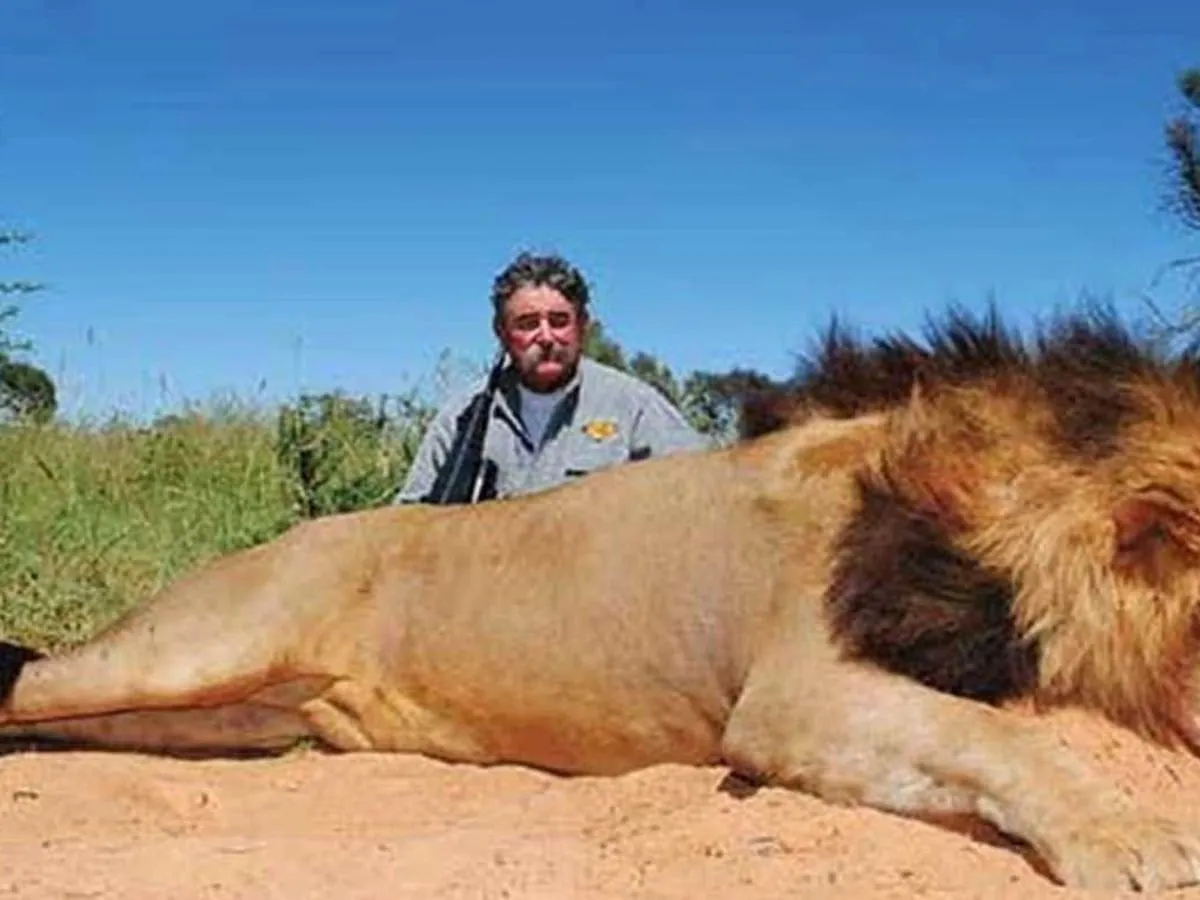
Dosio was a well-known figure in the hunting world, with a trophy room in his home packed with animal heads from his many hunting expeditions.
He was described by friends as a “good old country boy” who loved the outdoors, but his passion for hunting was not without controversy. Critics have long argued that big game hunting is a cruel and unnecessary practice that puts both humans and animals at risk.




The circumstances of Dosio’s death are a stark reminder of the dangers of big game hunting.
According to an ex-game hunter who was friendly with Dosio, the millionaire and his guide were stalking a yellow-backed duiker (a type of antelope) in the thick Gabonese rainforest when they surprised a herd of five forest elephant cows with a calf.
Feeling threatened, the elephants immediately attacked, trampling Dosio and leaving his guide with serious injuries.
Dosio’s death is not an isolated incident.
Last August, American millionaire and big game hunter Asher Watkins was brutally gored to death by a buffalo he was stalking with a guide in Limpopo Province, South Africa.
The tragedy highlights the risks taken by those who pursue big game hunting, and raises questions about the ethics of the practice.
Analysis: What This Means for Australia
The death of Ernie Dosio serves as a stark reminder of the dangers of big game hunting, and raises questions about the ethics of the practice.
While Australia has strict laws regulating big game hunting, the country is not immune to the risks associated with the practice. In recent years, there have been several incidents of Australian hunters being injured or killed while on safari in Africa.
Security analysts say that the risks associated with big game hunting are not limited to the hunters themselves, but also pose a threat to local communities and wildlife.
“Big game hunting can have serious consequences for local ecosystems, and can also perpetuate a culture of violence and exploitation,” said one analyst.
Law enforcement insiders warn that the big game hunting industry is often poorly regulated, and that many hunters are able to operate with impunity.
“There needs to be greater oversight and regulation of the big game hunting industry, to ensure that hunters are operating safely and responsibly,” said one insider.
Expert Commentary
Conservationists say that big game hunting is a major threat to wildlife populations, and that it perpetuates a culture of exploitation and violence. “Big game hunting is a relic of a bygone era, and has no place in modern society,” said one conservationist.
“It’s time for us to rethink our relationship with wildlife, and to prioritize conservation and protection over exploitation.”
Industry observers believe that the big game hunting industry is unlikely to change its ways, despite the risks and controversy surrounding the practice. “Big game hunting is a lucrative industry, and many hunters are willing to take risks in order to pursue their passion,” said one observer.
“However, it’s time for the industry to take a hard look at itself, and to consider the consequences of its actions.”