Winter’s Deadly Grip: Why Vaccines Are Australia’s Best Defence Against Lurking Respiratory Threats
- Australia’s flu season is just around the corner, and experts warn that vaccination is crucial to prevent a repeat of last year’s devastating outbreak.
- Seasonal illnesses like influenza, RSV, and COVID-19 thrive in winter conditions, making it a perfect storm for viral spread.
- Health authorities urge Australians to get vaccinated against flu, COVID-19, and other diseases, with some groups eligible for free shots under the National Immunisation Program.
- Experts warn that COVID-19 vaccination may not keep pace with emerging variants, making annual boosters a top priority for vulnerable groups.
As the last wisps of summer dissipate, Australians are bracing for the annual onslaught of seasonal illnesses that come with the colder months.
Influenza, respiratory syncytial virus (RSV), and COVID-19 are just a few of the lurking threats that can turn a mild winter into a health crisis.
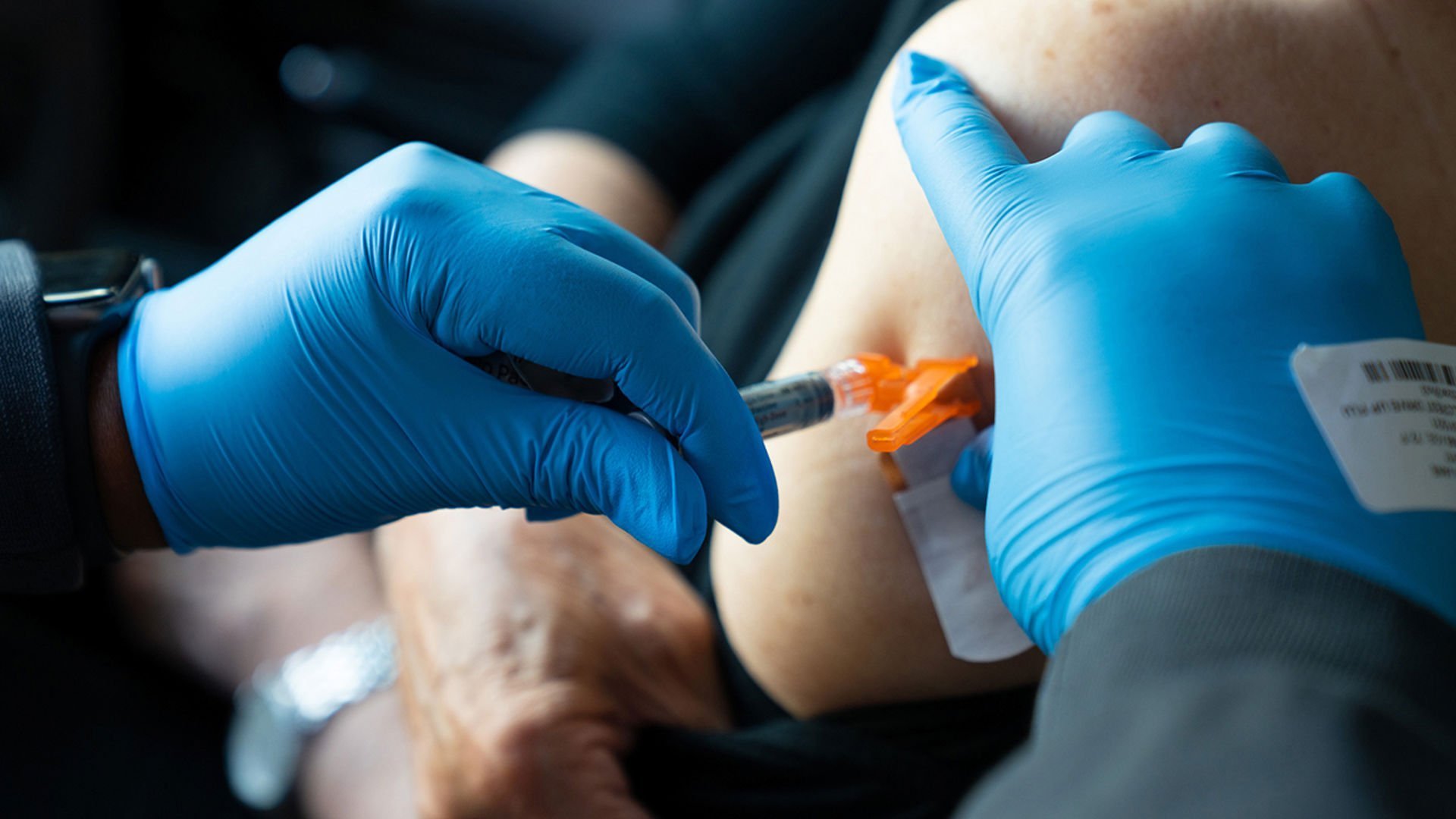
But there’s a silver lining: vaccination. According to epidemiologist Catherine Bennett, getting vaccinated is the best way to prevent these illnesses and protect against severe infection and death.
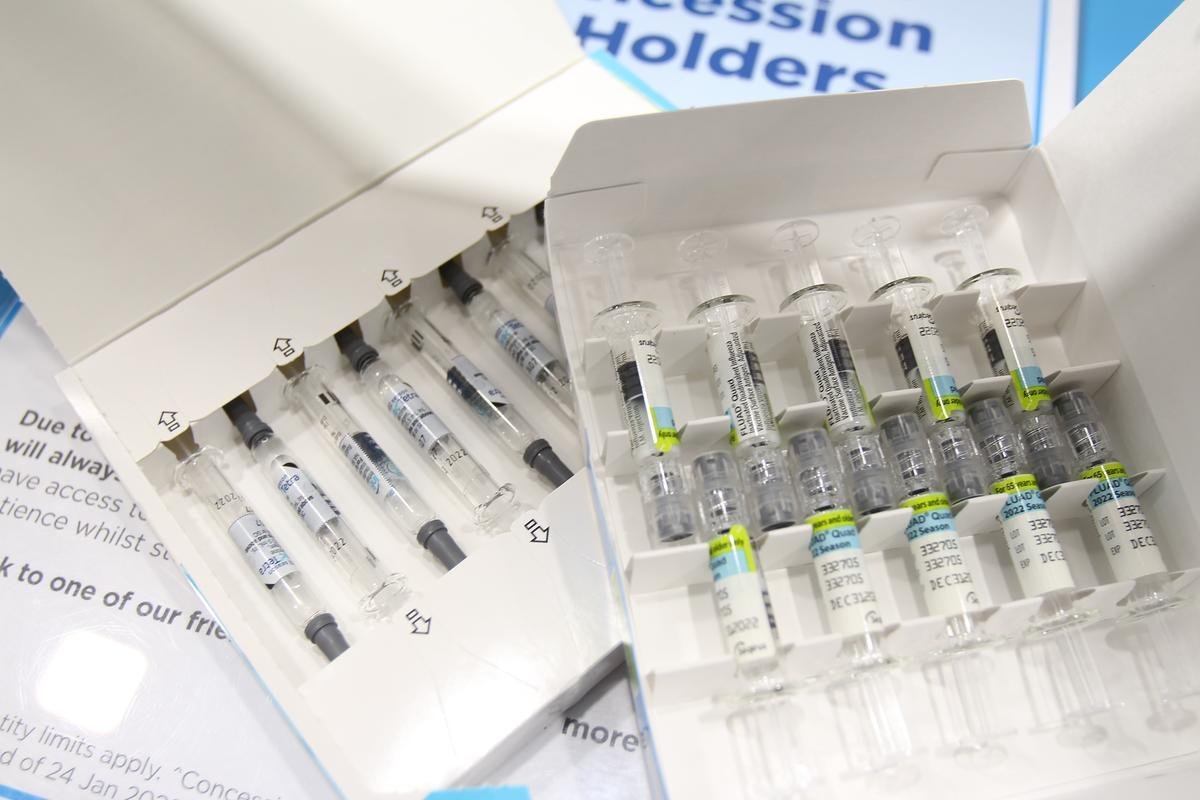
So, which vaccines should Australians get this winter? The flu jab is the top priority, with Australia’s flu season typically peaking between June to September.
This year’s vaccine has been adjusted to protect against a fast-moving strain of influenza A called subclade K, also known as “Super-K”. For those who haven’t already, getting vaccinated before the flu season arrives is crucial.




Infectious diseases physician Allen Cheng stresses that people tend to have the highest level of protection about three or four months post-vaccination.
But it’s not just the flu that’s a concern. COVID-19 is still causing huge problems, particularly in vulnerable groups like the elderly and those with chronic medical conditions.
Professor Cheng urges older Australians and anyone at increased risk of serious illness to “take any protection they can get” and book their annual COVID-19 booster.
The COVID-19 vaccine may not keep pace with emerging variants, making regular vaccination a top priority.
RSV is another seasonal illness that’s gaining attention, with a new vaccine available for free to Australians 75 and older, as well as Aboriginal and Torres Strait Islander people 60 years or older.
While the RSV vaccine isn’t recommended as an annual shot, Professor Cheng says it’s likely to offer good protection for two or three seasons.
There are three key reasons to get an annual vaccine. Firstly, viruses change over time, making targeted vaccines the best defence against new variants.
Secondly, immunity can wane over time, and a booster vaccine “boosts” your immune system by giving your body an extra dose of a vaccine that you’ve had before.
Finally, getting vaccinated protects vulnerable people in the community who can’t be vaccinated, by reducing the risk of transmission.
Analysis: What This Means for Australia
Australia’s vaccination rates play a critical role in preventing the spread of seasonal illnesses.
Last year’s flu season was the worst since the disease became nationally notifiable in 2001, with a low national vaccination rate of just 30 per cent contributing to the high caseload.
Professor Griffin cautions that it’s “impossible to predict” how bad this year’s flu season will be based on current numbers, but stresses the importance of vaccination in preventing a repeat of last year’s outbreak.
Security analysts warn that the spread of seasonal illnesses can have serious consequences for Australia’s national security, particularly in high-risk groups like the elderly and those with chronic medical conditions.
Law enforcement insiders also highlight the importance of vaccination in preventing the spread of diseases in crowded areas like aged care facilities and hospitals.
Industry observers believe that Australia’s vaccination program is critical in protecting the country’s most vulnerable citizens. By getting vaccinated, Australians can help prevent the spread of seasonal illnesses and reduce the risk of transmission to those who can’t be vaccinated.
As the winter months approach, Australians are urged to take seasonal illnesses seriously and get vaccinated against flu, COVID-19, and other diseases. By doing so, they can help prevent a health crisis and protect themselves and their loved ones from the devastating consequences of seasonal illnesses.
flu vaccine COVID-19 vaccine RSV vaccine Australian Centre for Disease Control