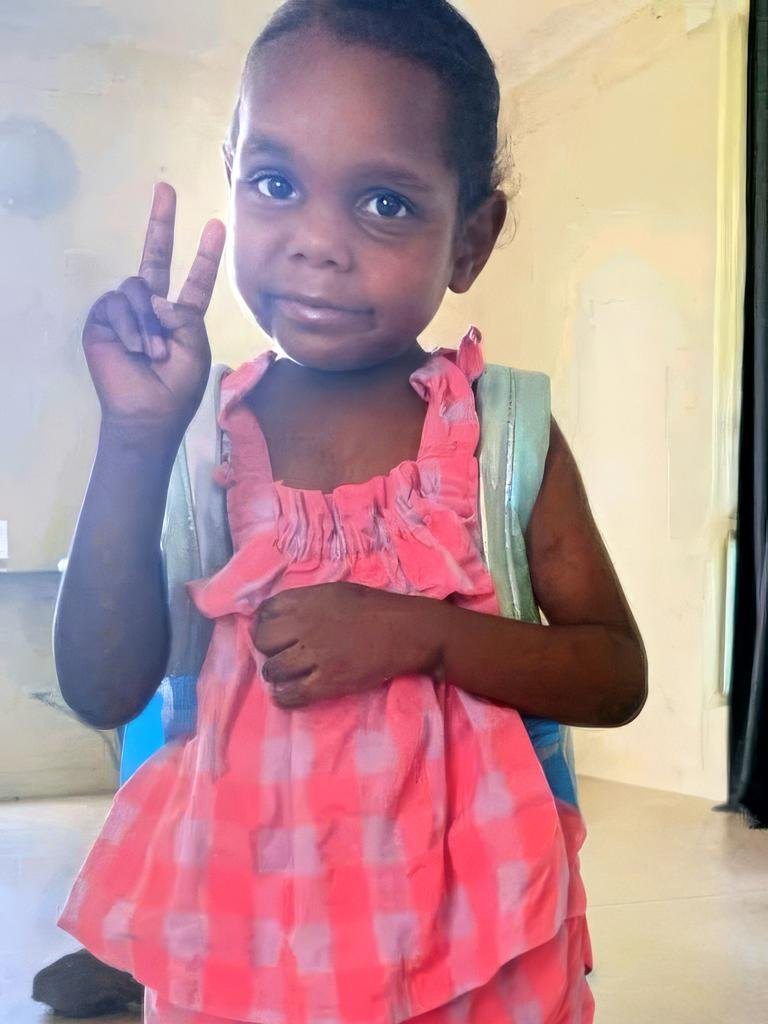
Rioters Bring Chaos to Alice Springs After Man’s Arrest Over Alleged Murder of Five-Year-Old Kumanjayi Little Baby
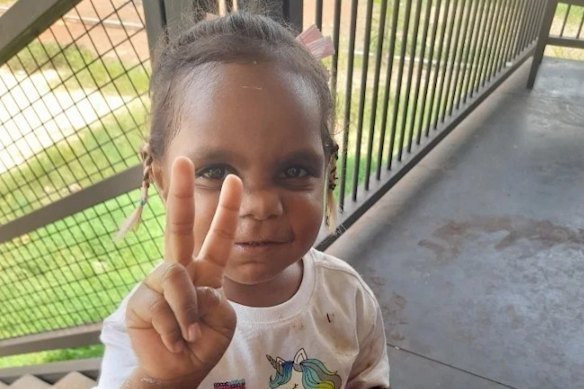
- A 47-year-old man, Jefferson Lewis, has been arrested in connection with the alleged abduction and murder of Kumanjayi Little Baby, a five-year-old girl from Alice Springs.
- Police and paramedics were injured during a riot outside Alice Springs Hospital, where Lewis was being treated after being beaten by vigilantes.
- The Northern Territory Chief Minister, Lia Finocchiaro, has condemned the violence, saying attacks on frontline workers are “never acceptable”.
- A senior elder from the local Yapa community has appealed for calm, saying “it is time now for sorry business, to show respect for our family and have space for grieving and remembering”.
The usually quiet town of Alice Springs erupted into chaos on Thursday night as a crowd of over 100 people gathered outside the local hospital, protesting the arrest of Jefferson Lewis, the man accused of the alleged abduction and murder of five-year-old Kumanjayi Little Baby.
The little girl’s body was found just hours earlier, sparking a massive outpouring of grief and anger in the community.
As police attempted to apprehend Lewis, who was being treated for injuries sustained during a “prolonged” attack by community members, the crowd turned violent. Rioters threw rocks at police, who responded with tear gas, while shops were reportedly looted.
Many in the crowd were accusing police of protecting the suspect, chanting for “payback” – a term that refers to traditional punishment under Aboriginal law in Central Australia.
Lewis, 47, was arrested at a residence in Alice Springs hours after Kumanjayi Little Baby’s body was found, and has since been moved to Darwin for safety reasons.
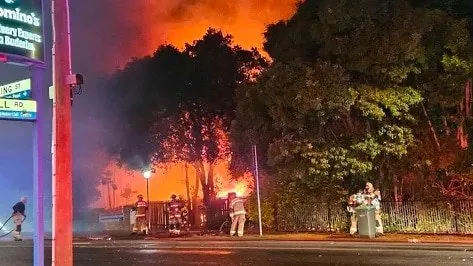

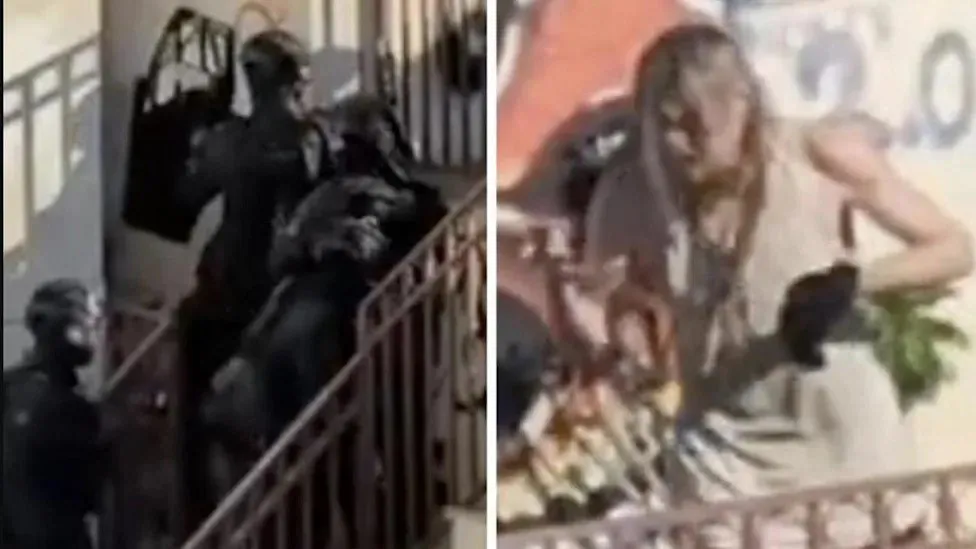
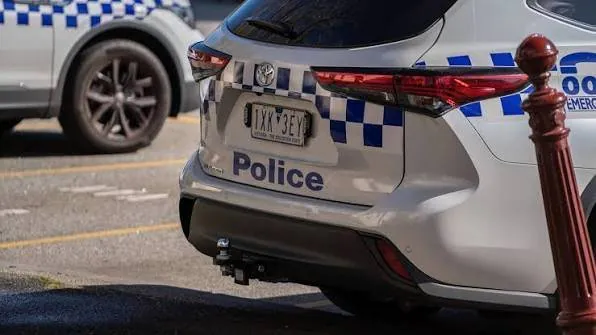
Police Commissioner Martin Dole has condemned the violence, saying “there’s absolutely no excuse for violence against emergency services that are just doing their job”. Chief Minister Lia Finocchiaro echoed this sentiment, saying “attacks on frontline workers are never acceptable”.
The alleged murder of Kumanjayi Little Baby has sent shockwaves through the community, with many still reeling from the news.
The little girl was reported missing from her home on Marshall Court in Old Timers Camp, Alice Springs, on Sunday, sparking a massive search effort involving dozens of police, helicopters, emergency service personnel, and volunteers.
Her body was found on Thursday, about 5km from where she went missing.
The Northern Territory Police’s Executive Director of Cultural Reform, Leanne Liddle, read out a heart-wrenching letter from Kumanjayi Little Baby’s mother, who said she knew her daughter was in heaven with the rest of her family.
“Me and your brother will meet you one day,” the girl’s mother said. “We are giving our lives to Jesus.
It is going to be so hard to live the rest of our lives without you.”
Analysis: What This Means for Australia
The violent outbreak in Alice Springs has raised concerns about the relationship between law enforcement and Indigenous communities. Security analysts say that the incident highlights the need for greater cultural understanding and sensitivity in policing, particularly in remote areas.
“The fact that the crowd was chanting for ‘payback’ suggests that there is a deep-seated desire for justice and accountability within the community,” says one analyst.
“However, this desire for justice must be balanced with the need to respect the rule of law and the safety of emergency service workers.”
Law enforcement insiders warn that the incident could have far-reaching consequences for community policing in the Northern Territory. “The relationship between police and Indigenous communities is already fragile in some areas,” says one insider.
“Incidents like this can further erode trust and make it even harder for police to do their job effectively.”
Industry observers believe that the incident also highlights the need for greater investment in community programs and services, particularly in areas such as mental health and education.
“We need to address the underlying issues that lead to violence and dysfunction in our communities,” says one observer. “This means investing in programs that support Indigenous youth and families, and providing them with the resources they need to thrive.”