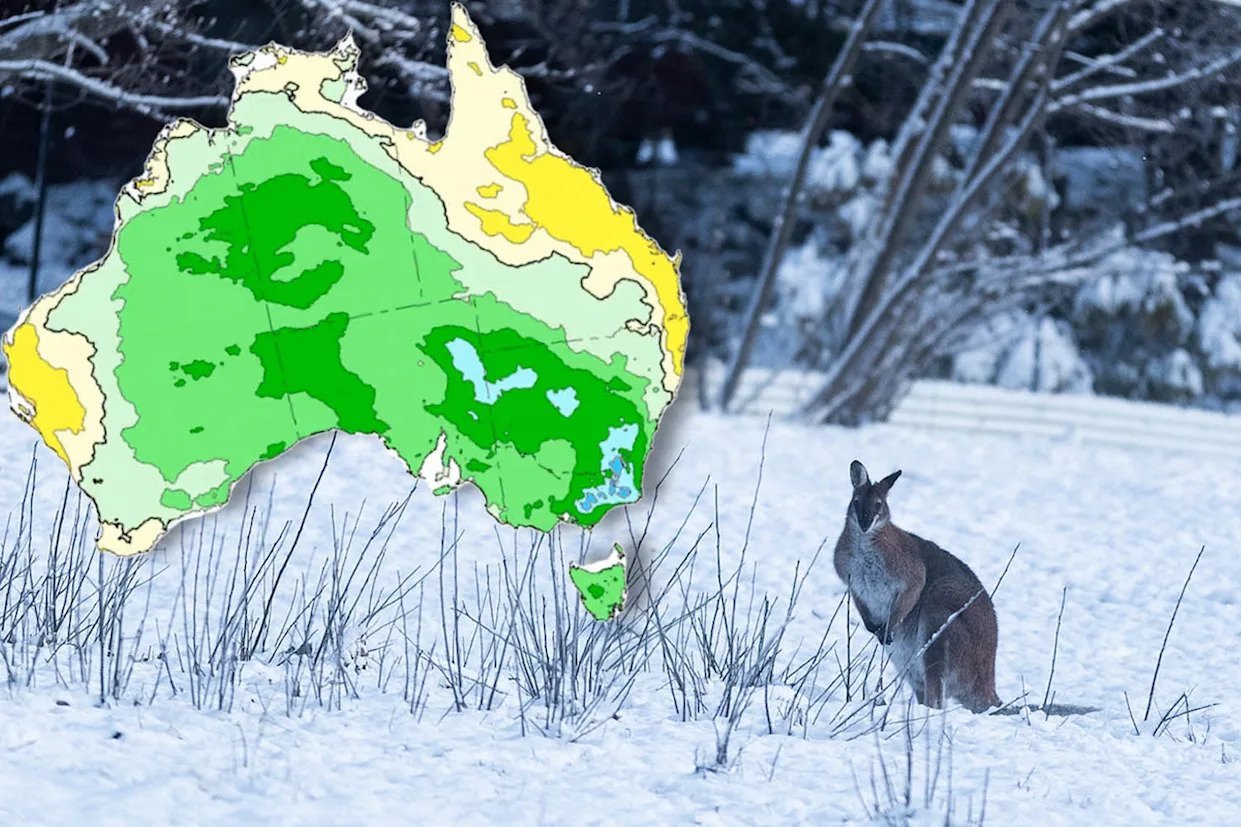
‘Bitterly Cold’ Blast of Winter Weather to Slam Southeast Australia, Bringing Hail, Gale-Force Winds and Snow to Victoria and Tasmania
- A powerful cold front is barrelling towards southeast Australia, threatening to bring plummeting temperatures, wintry hail and gale-force winds to Melbourne and beyond.
- Tasmania is expected to be hit with up to 50mm of rain, with snow possible in areas above 500m, while Victoria’s Grampians and Macedon Ranges may see flurries.
- The eastern suburbs of Melbourne are bracing for the worst of the weather, with temperatures expected to struggle to reach 13C on Thursday, feeling more like a chilly 7C.
- The cold front is the first of the year to affect so much of the nation’s southeast, with the Bureau of Meteorology warning of a “bitterly cold” day on Thursday.
The calm before the storm is short-lived for Melbourne residents, with a cold front set to bring a blast of winter weather to the city on Thursday.
Meteorologist Jane Bunn warned that while the city is currently experiencing a brief dry spell, the reprieve will be short-lived. “It’s hard to miss the next cold front that is barrelling towards us,” she said.
“Thursday will be bitterly cold with wintry hail.”
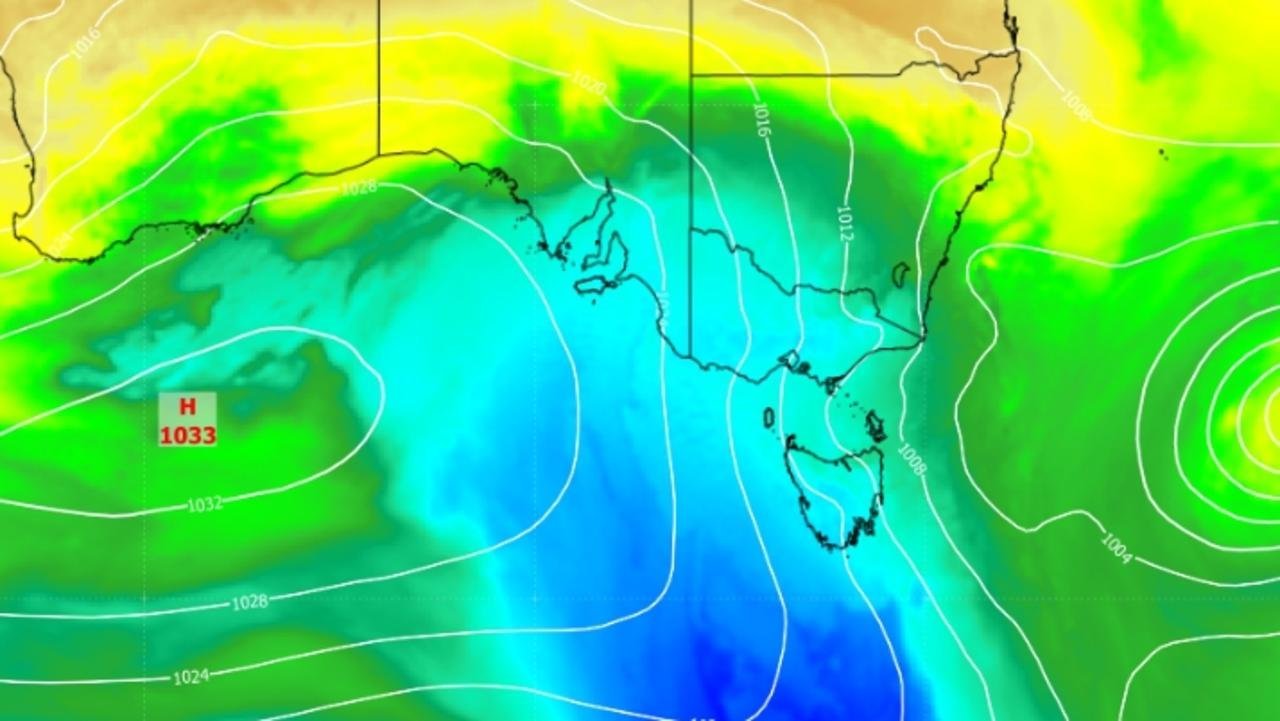
Strong and gale-force wind warnings have been issued for several coastal areas, including Port Phillip, Western Port, West Coast, Central Coast, Central Gippsland Coast and East Gippsland Coast, on Wednesday and Thursday.
The cold front is moving up from the Southern Ocean on Wednesday and heading east on Thursday, where a low-pressure system is building in the southern Tasman Sea.




This is the first cold burst of the year to hit so much of the nation’s southeast, according to the Bureau of Meteorology (BOM).
But what’s driving this sudden blast of winter weather? The answer lies in the atmospheric conditions above the Southern Ocean.
A low-pressure system is building in the southern Tasman Sea, which is pulling the cold front towards the southeast. This system is expected to intensify over the next 48 hours, bringing heavy rain and strong winds to the region.
Analysis: What This Means for Australia
The impact of this cold front will be felt far beyond the immediate weather effects. For farmers, the rain and hail will bring welcome relief to parched crops, but the strong winds may also cause damage to property and infrastructure.
In the cities, commuters will need to wrap up warm and be prepared for disruptions to transport services. And for the tourism industry, the wild weather may deter visitors from outdoor activities, such as hiking and surfing.
Security analysts say that the severe weather conditions may also pose a risk to national security, with the potential for power outages and communication disruptions. “Extreme weather events like this can have a significant impact on our critical infrastructure,” said one expert.
“It’s essential that we’re prepared to respond quickly and effectively to minimize the disruption.” Law enforcement insiders also warn that the bad weather may lead to an increase in accidents and emergencies, putting additional pressure on emergency services.
Industry observers believe that the cold front may also have a significant economic impact, particularly in the agriculture and tourism sectors.
“The rain and hail will be a welcome relief for farmers, but the strong winds may cause damage to crops and property,” said one industry expert.
“And for the tourism industry, the wild weather may deter visitors from outdoor activities, which could have a significant impact on local economies.”