Australia’s Beef Boom: How US Demand for Lean Meat is Saving the Industry Amidst Drought and Crisis
- Australia’s cattle market is thriving despite drought, thanks to record-high demand for lean beef from the US, with exports up 13% this year.
- US beef prices are at an all-time high, with Americans willing to pay top dollar for premium meat, despite rising costs and economic uncertainty.
- The US cattle herd is expected to decline further, with the Trump administration blaming “radical left” policies and climate alarmism for the decline.
- Australia’s beef industry is cashing in on the US demand, with nearly 500,000 head of cattle processed in the past three weeks, and exports reaching a record high.
The US demand for lean beef has become a lifeline for Australia’s cattle industry, which is struggling to cope with the drought that has ravaged parts of New South Wales and Queensland.
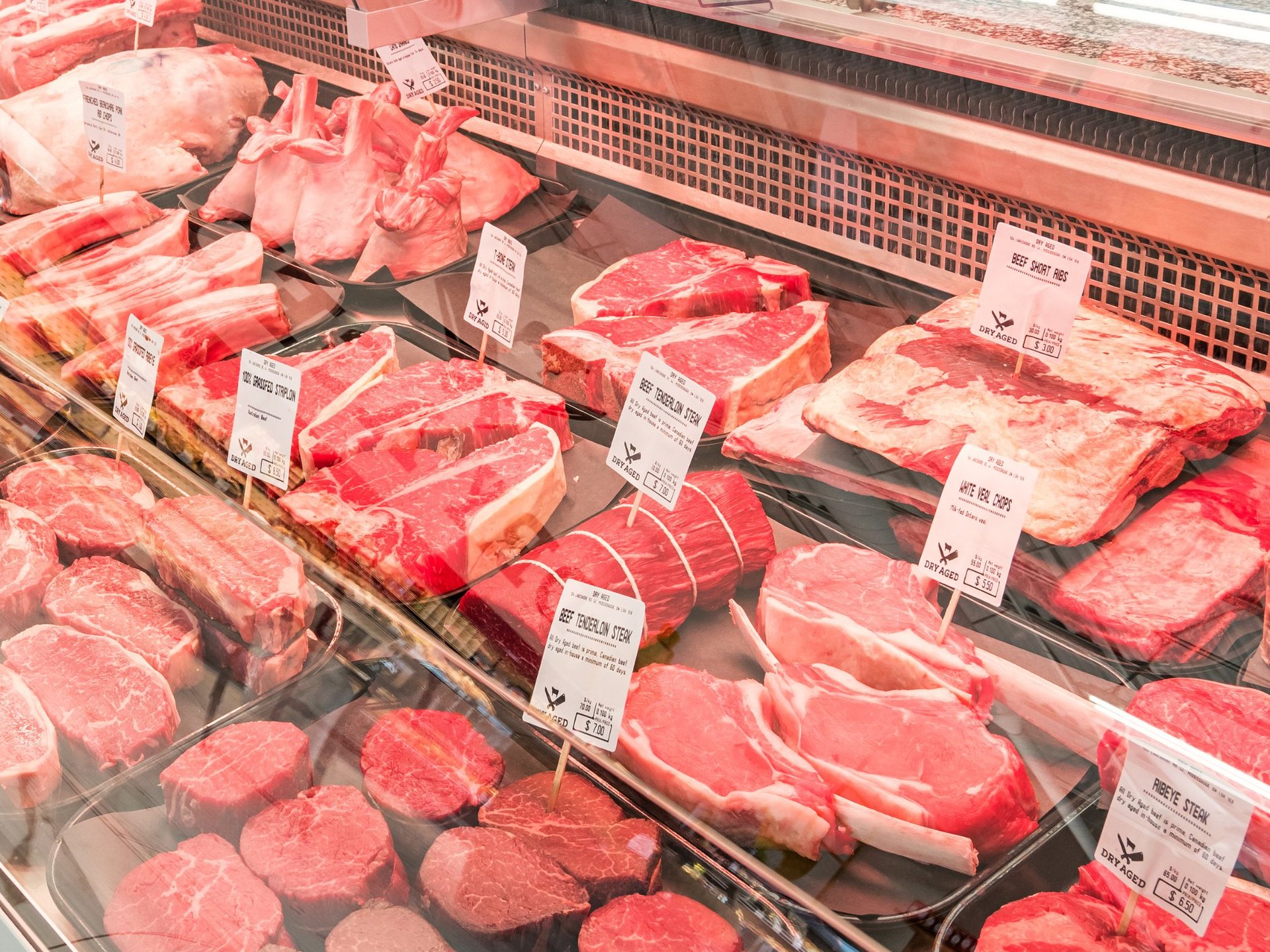
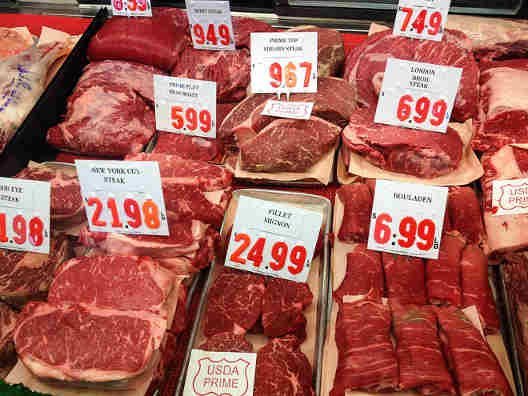
Despite the dry conditions, prices are holding firm, thanks to the insatiable appetite of American consumers for premium meat. In fact, US beef prices are at an all-time high, with Americans willing to pay top dollar for the best cuts.
The numbers are staggering. Australia has exported 146,951 tonnes of beef to the US this year, up 13% on the first four months of 2025.
This is a record start to any year, according to Meat and Livestock Australia (MLA).
The US-based meat analyst and founder of Global Agritrends, Brett Stuart, says beef demand in the US is “absolutely incredible” with all generations chasing beef, from boomers to zoomers.




But the surge in demand has also led to concerns about the sustainability of the US cattle herd. The Trump administration expects the herd to decline further this year, blaming “radical left” policies and climate alarmism for the decline.
However, industry experts say the real reason for the decline is drought, which has led to a shortage of feed and a decrease in cattle numbers.
The US has imported over 600,000 tonnes of beef this year, up 16% compared to this time last year, with increased imports from multiple countries including Brazil, Mexico, and Australia.
As Americans get ready for the “grilling season”, lean beef has never been more expensive. US Secretary of Agriculture Brooke Rollins says the US cattle herd is expected to decline further, with the lowest number of head since the 1950s.
However, not everyone agrees with the Trump administration’s assessment of the situation. Mr Stuart says US cattle prices are already at record highs and blaming meatworks is “misguided”.
“US meat packers are the only segment of the industry losing money right now,” he says. “Tyson Foods just released financial results and its beef business posted an operating loss of about $US200 million.
Meanwhile cattle ranchers are making big profits.”
Analysis: What This Means for Australia
The surge in US demand for lean beef has significant implications for Australia’s cattle industry. With the US market willing to pay top dollar for premium meat, Australian farmers are benefiting from the increased demand.
However, the drought and declining cattle numbers in the US also pose a risk to the long-term sustainability of the industry.
As the US herd rebuilds, beef prices are likely to come down, but this may take two to three years, which is an eternity in politics.
Security analysts say the reliance on US demand also poses a risk to Australia’s food security. “If the US market were to decline, it could have a significant impact on Australia’s cattle industry,” says one analyst.
“We need to diversify our markets and reduce our reliance on any one country.”
Law enforcement insiders warn that the high demand for lean beef may also lead to an increase in cattle theft and rustling. “We’ve seen an increase in cattle theft in recent years, and the high prices may make it more attractive to thieves,” says one insider.
Industry observers believe that the demand for lean beef will continue to drive the market in the short term. “Consumers are willing to pay a premium for healthy and sustainable meat, and the US market is no exception,” says one observer.
“However, we need to be careful not to compromise on quality and sustainability in the pursuit of profit.”
As the US demand for lean beef continues to drive the market, Australia’s cattle industry is cashing in.
But with the drought and declining cattle numbers in the US posing a risk to the long-term sustainability of the industry, it’s essential to diversify markets and reduce reliance on any one country.