Australia’s Islamic State Dilemma: The Anger and Fear Inside a Syrian Refugee Camp
- Three Australian women linked to the Islamic State group were arrested upon arrival in Australia, sparking anger and frustration among fellow refugees in a Syrian camp.
- The women, who had been living in the Al Roj camp, were charged with various offences, including using a slave and being a member of a terrorist organisation.
- Camp administrators warn that the arrests may deter other Australian women from trying to return home, fearing similar treatment.
- The incident highlights the complexities of repatriating foreign-born wives and children of IS fighters, with many countries grappling with the issue.
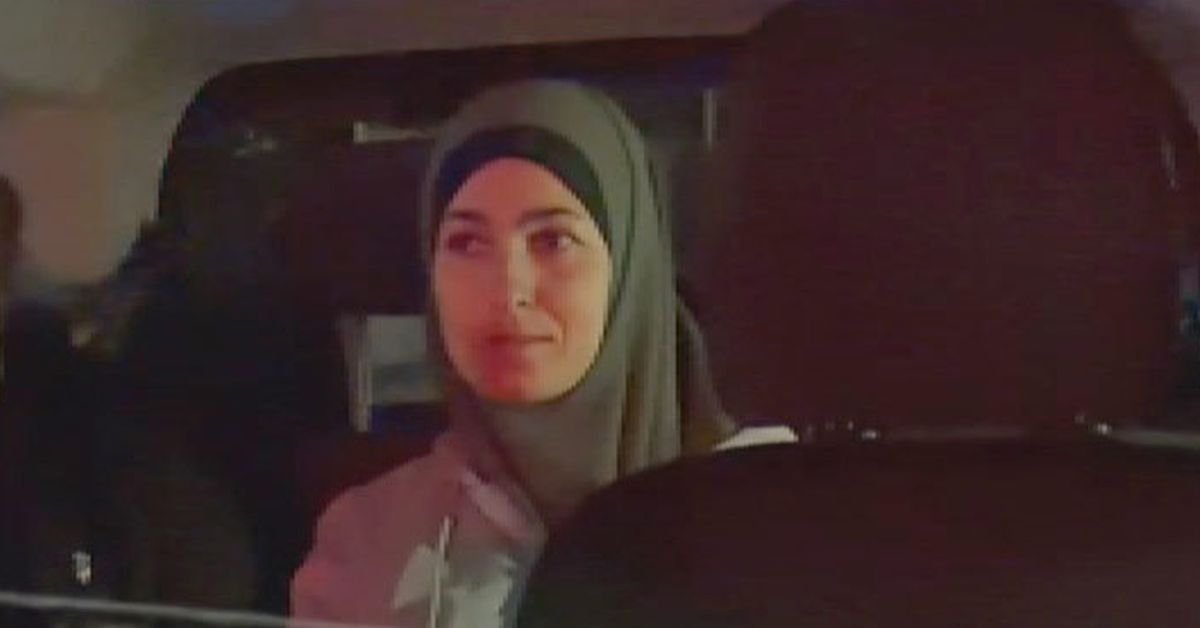
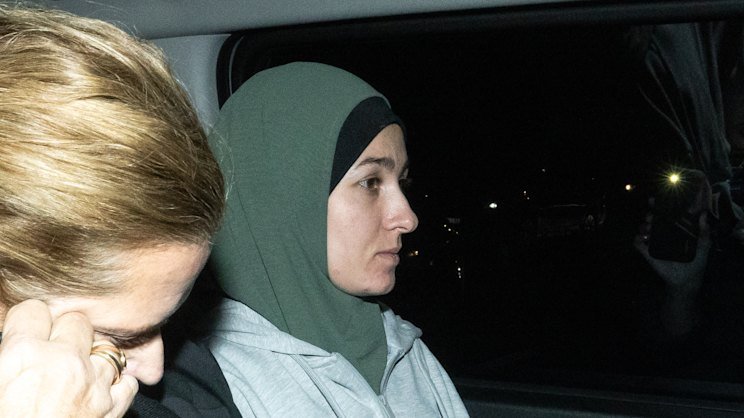
The recent arrest of three Australian women linked to the Islamic State group has sent shockwaves through the Al Roj refugee camp in Syria, where they had been living for years.
The women, who were arrested upon arrival in Australia, were charged with various offences, including using a slave and being a member of a terrorist organisation.
The incident has sparked anger and frustration among fellow refugees in the camp, who fear similar treatment if they try to return home.
The Al Roj camp, located in the north-eastern tip of Kurdish-controlled Syria, is home to thousands of people, many of whom are foreigners who were displaced by the fall of the Islamic State.
The camp has been described as a place of squalid conditions, where people live in hard circumstances. Despite the challenges, the camp has become a community, with many of the residents forming close bonds.


However, the recent arrests have created a sense of unease and fear among the Australians still living in the camp.
One woman, who wished to remain anonymous, expressed her concerns about the arrests. “What do they want with women and kids?” she asked.
“These little kids need their mama.” She also argued that just because the women were Muslim, it did not mean they were radicalised members of the failed Islamic State.
The woman, who said she was from Germany and hoped to return home someday, believed that the remaining Australians in Syria would delay or reconsider trying to travel home after watching news of the arrests on television.
Camp administrators have also expressed their concerns about the impact of the arrests on the remaining Australians in the camp.
Hakmiyeh Ibrahim, a camp administrator, said that most of the Australian families seemed quite “open-minded”, but added that there were “one or two families that are different from the others”.
She described these families as “closed” and “extremists”, who had isolated themselves from the camp community. Ms Ibrahim said that these families rarely interacted with other families or camp officials, and that their ideology was evident.
The incident highlights the complexities of repatriating foreign-born wives and children of IS fighters.
Many countries, including Australia, are grappling with the issue of how to deal with these individuals, who may have been radicalised or have committed crimes while living in Syria.
The Australian government has been criticized for its handling of the issue, with some arguing that it is not doing enough to support the families and others arguing that it is being too soft on those who have committed crimes.
Analysis: What This Means for Australia
The arrests of the three Australian women linked to the Islamic State group have significant implications for Australia’s national security and law enforcement.
The incident highlights the need for Australia to have a clear and effective policy for dealing with foreign-born wives and children of IS fighters who are seeking to return home.
This policy must balance the need to protect national security with the need to support and rehabilitate those who have been affected by the conflict.
Security analysts say that the arrests demonstrate the ongoing threat posed by the Islamic State group, even after the defeat of its so-called caliphate in 2019.
The group’s ideology continues to inspire extremism and violence, and its legacy will be felt for years to come.
The arrests also highlight the need for Australia to work closely with its international partners to address the global threat posed by the Islamic State group.
Law enforcement insiders warn that the arrests may deter other Australian women from trying to return home, fearing similar treatment.
This could lead to a situation where these women and their children remain in Syria, potentially becoming further radicalised and posing a greater threat to Australia’s national security in the future.
Industry observers believe that the incident highlights the need for Australia to invest in programs that support the rehabilitation and reintegration of individuals who have been affected by the conflict.
This includes providing support for women and children who have been radicalised, as well as for those who have been victims of the conflict.
Ultimately, the arrests of the three Australian women linked to the Islamic State group demonstrate the complex and ongoing challenges posed by the conflict in Syria.
Australia must continue to work closely with its international partners to address these challenges, while also ensuring that it has a clear and effective policy for dealing with foreign-born wives and children of IS fighters who are seeking to return home.