
Australia on High Alert: Deadly Hantavirus Outbreak Sparks Urgent Repatriation of Cruise Ship Passengers
- Six passengers from the MV Hondius cruise ship, including five Australians and one New Zealand citizen, are set to arrive in Perth on a repatriation aircraft tomorrow, after being evacuated from a deadly hantavirus outbreak.
- The passengers, who are symptom-free and testing negative for the virus, will be transferred to a quarantine facility north-east of Perth, where they will spend at least three weeks in isolation.
- The World Health Organisation has reported 11 cases of hantavirus, with three deaths, and Australia is taking no chances, deploying expert staff and resources to the quarantine facility to handle the potential threat.
- Federal Health Minister Mark Butler says the passengers will be subject to testing and will wear full PPE during the flight, and will be reviewed regularly during their quarantine period to determine the best course of action.
The MV Hondius cruise ship has been at the centre of a deadly hantavirus outbreak, with cases detected in multiple countries, including France, Spain, and the United States.
The ship’s passengers, including the six being repatriated to Australia, were evacuated earlier this week and arrived in the Netherlands on Tuesday.
Federal Health Minister Mark Butler announced that the passengers would be arriving in Perth on a repatriation aircraft tomorrow, and would be transferred to the nearby Bullsbrook Centre for National Resilience, a quarantine facility established during the COVID pandemic.
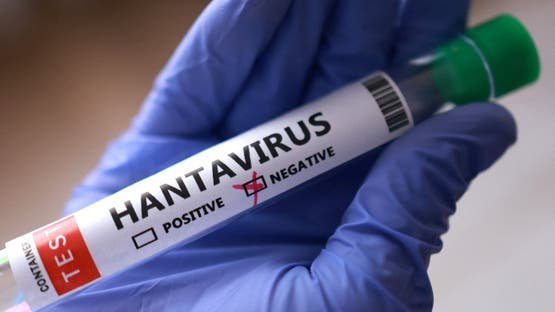
The passengers will spend at least three weeks in isolation, with their quarantine period reviewed regularly to determine the best course of action.
The hantavirus outbreak has sparked concerns about the potential for human-to-human transmission, but Mr Butler maintained that the virus was “very rarely” transmitted between humans.




“All of the cases that have been reported thus far, and all of the evidence previously about hantavirus, shows that it requires very close contact between two humans to be transmitted,” he said.
Despite the low risk of transmission, Australia is taking no chances, deploying expert staff and resources to the quarantine facility to handle the potential threat. Staff from the National Critical Care and Trauma Response Centre, headquartered in Darwin, have been deployed to Bullsbrook, ready to receive the passengers tomorrow.
“These are expert staff, well-experienced in infectious disease emergencies alongside a range of other emergencies,” Mr Butler said.
The Bullsbrook facility, nestled away in Perth’s outer fringes, was built during the COVID-19 pandemic as a quarantine centre, but sat idle for years. Now, a different deadly virus will see it used for its intended purpose.
The facility has a 500-bed capacity and will provide a safe and secure environment for the passengers to undergo their quarantine period.
Analysis: What This Means for Australia
The hantavirus outbreak has significant implications for Australia’s national security and public health. The fact that the virus has been detected in multiple countries, including those with close ties to Australia, highlights the need for vigilance and preparedness.
The Australian government’s decision to repatriate the passengers and place them in quarantine is a prudent one, given the potential risks associated with the virus.
However, the outbreak also raises questions about Australia’s ability to respond to infectious disease emergencies.
The fact that the Bullsbrook facility was built during the COVID-19 pandemic but sat idle for years raises concerns about the country’s preparedness and ability to respond to emerging health threats.
Security analysts say that the hantavirus outbreak highlights the need for Australia to review its infectious disease protocols and ensure that it is prepared to respond to emerging health threats.
“The fact that the virus has been detected in multiple countries, including those with close ties to Australia, highlights the need for vigilance and preparedness,” said one analyst.
“Australia needs to review its protocols and ensure that it is prepared to respond to emerging health threats, including the potential for human-to-human transmission.”
Law enforcement insiders warn that the outbreak also has implications for Australia’s border control and quarantine measures.
“The fact that the passengers were able to travel to multiple countries before being detected highlights the need for improved border control and quarantine measures,” said one insider.
“Australia needs to review its protocols and ensure that it is able to detect and respond to emerging health threats in a timely and effective manner.”
Industry observers believe that the outbreak will have significant economic and social consequences for Australia, particularly if the virus is found to be transmitted between humans.
“The fact that the virus has been detected in multiple countries, including those with close ties to Australia, highlights the need for vigilance and preparedness,” said one observer.
“If the virus is found to be transmitted between humans, it could have significant economic and social consequences for Australia, including the potential for widespread illness and death.”