Jim Chalmers’ High-Stakes Gamble: Will His Brave Housing Reforms Pay Off or Spark a Market Crash?
- Treasurer Jim Chalmers has taken a monumental risk with his changes to negative gearing and capital gains tax, which could either boost first-home buyers or spark a housing market crash.
- The reforms aim to reduce demand from investors and make homes more available to first-home buyers, but come with a significant risk of unintended consequences.
- With interest rates rising and oil prices soaring, the housing market is already showing signs of softening – and Chalmers’ changes could be the tipping point.
- Experts warn that if the market crashes, the government’s reforms will be blamed, despite being just one of many factors at play.
In a bold move, Treasurer Jim Chalmers has put his neck on the line with sweeping changes to negative gearing and capital gains tax.
The reforms, aimed at giving first-home buyers a fairer shot at securing their dream homes, are a high-stakes gamble that could either pay off or spark a housing market crash.
As the dust settles, one thing is clear: Chalmers owns the outcome, and his reputation will be on the line if things go south.
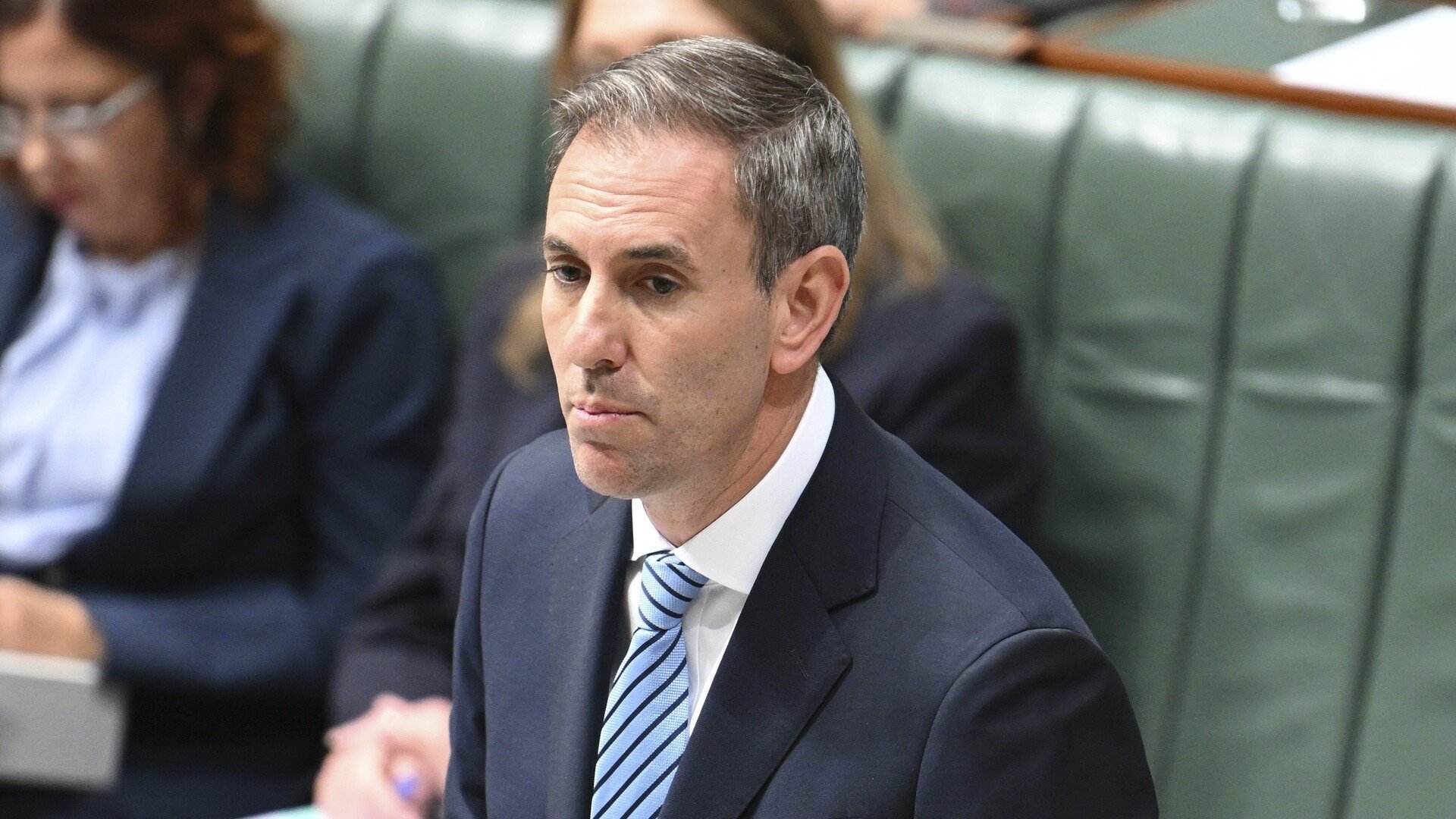
So, what exactly are these changes? The tweak to negative gearing affects investors who buy established homes, limiting their ability to offset losses against their personal income tax.
This is designed to reduce demand from investors, making more homes available to first-home buyers. The capital gains tax change, meanwhile, will see owners of fast-appreciating homes paying more tax, further dampening demand.

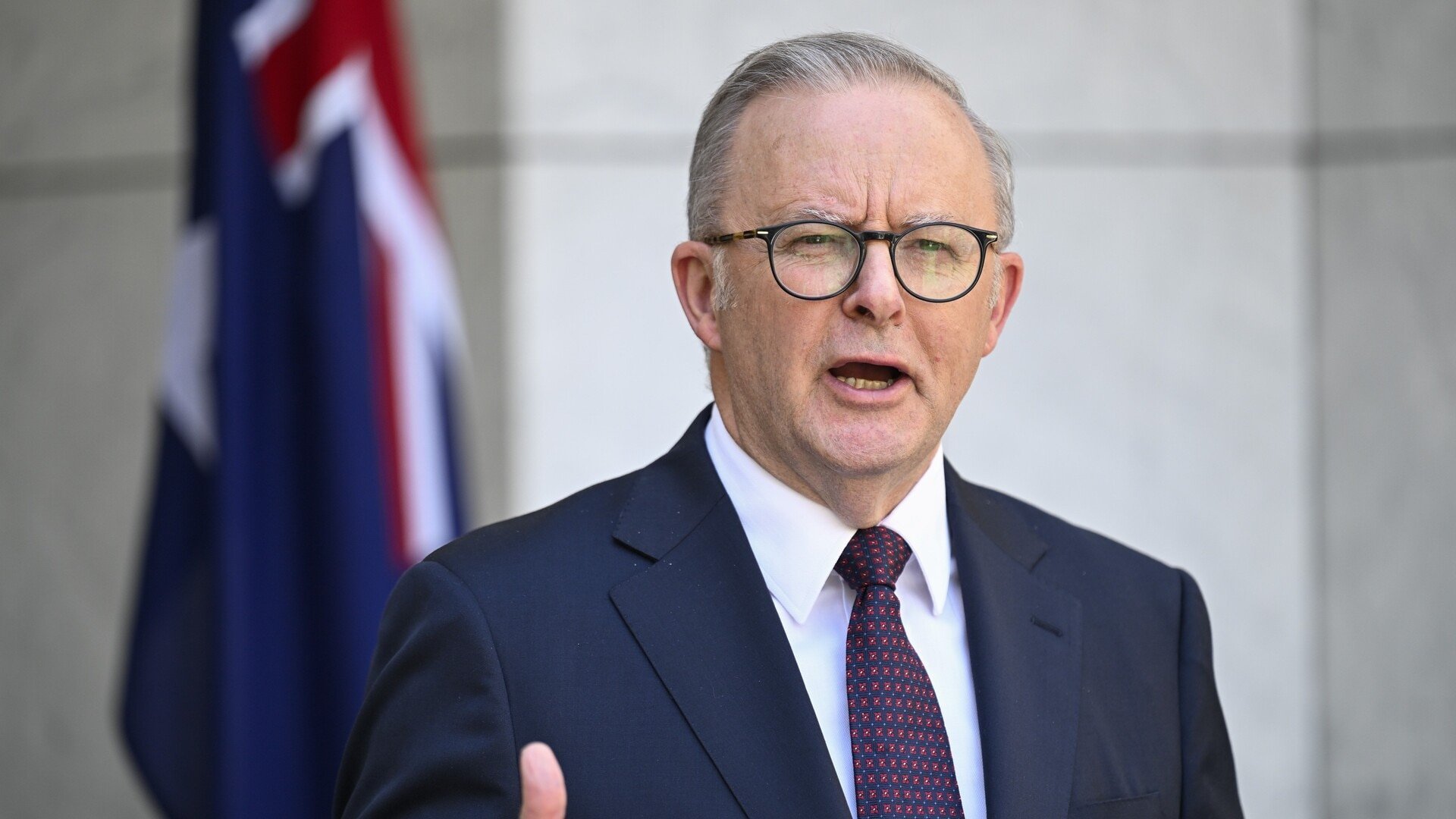
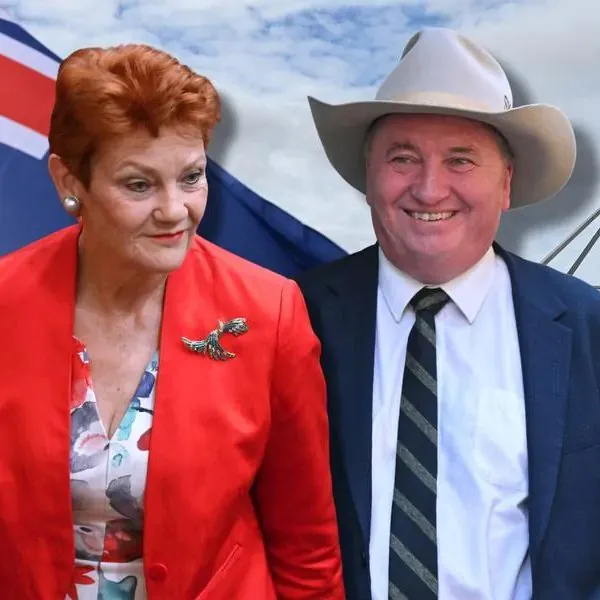
It’s a clever plan, but one that comes with significant risks.
The timing of these reforms couldn’t be more precarious. The Reserve Bank of Australia has been hiking interest rates aggressively, making mortgages more expensive and reducing borrowing power.
Consumer prices are also on the rise, leaving less money in people’s pockets for property purchases. And then there’s the specter of oil prices, which are uncomfortably high and showing no signs of easing.
The situation in the Strait of Hormuz, where tensions between the US and Iran are simmering, could further drive up fuel costs and choke the economy.
As the chart shows, property prices are already falling in Sydney and Melbourne, with growth slowing in other capitals. Perth and Brisbane, which experienced a year of frenzied growth, are due for a correction.
If the market shifts violently rather than gently, Chalmers’ reforms will be the first to be scapegoated. But are they the only reason for a potential fall?
Hardly. However, they will be one factor that was under his control.
Good government is about taking calculated risks to achieve policy benefits. But in this case, the benefits are frustratingly slight.
According to the budget papers, the changes to capital gains tax and negative gearing are expected to get an extra 75,000 young people into the market over the next decade – a mere 7,500 per year in a population of over 25 million.
It’s a modest shift, to say the least.
Analysis: What This Means for Australia
Chalmers’ reforms have significant implications for Australia’s housing market, economy, and national security. By reducing demand from investors, the government hopes to create a more level playing field for first-home buyers.
However, this comes with the risk of unintended consequences, including a market crash. If the economy continues to struggle with high fuel prices and interest rates, the housing market could be the first to feel the pinch.
Security analysts say that the situation in the Strait of Hormuz is a powder keg waiting to be ignited. If tensions escalate, oil prices could skyrocket, further exacerbating the economic woes.
Law enforcement insiders warn that a housing market crash could have serious consequences for community safety, as desperate homeowners become increasingly vulnerable to financial exploitation.
Industry observers believe that the government’s reforms are a step in the right direction, but caution that they are just one piece of the puzzle. A more comprehensive approach to addressing the housing affordability crisis is needed, one that takes into account the complex interplay of factors driving the market.
As the situation unfolds, one thing is clear: Jim Chalmers’ brave gamble will be closely watched by Australians everywhere. Will his reforms pay off, or will they spark a housing market crash?
Only time will tell.