Ebola Outbreak in Congo and Uganda Sparks Global Health Fears: ‘Public Health Emergency of International Concern’ Declared
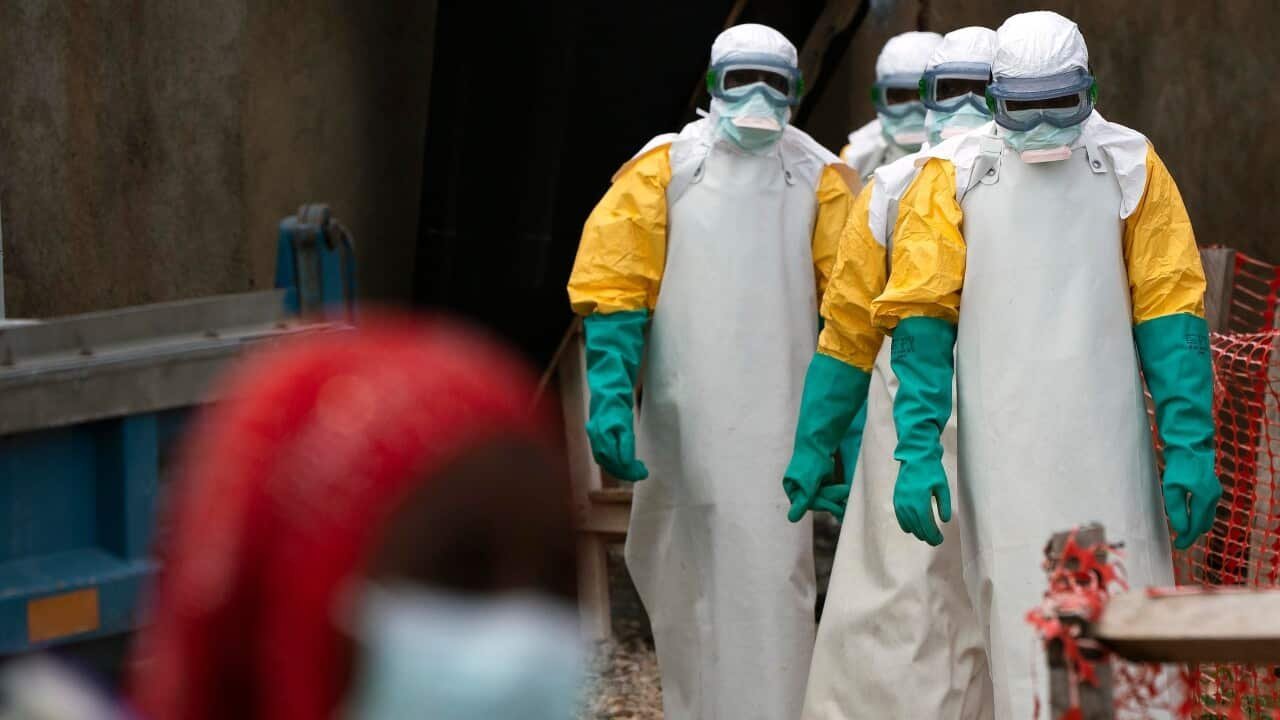
- The World Health Organisation (WHO) has sounded the alarm on a rapidly spreading Ebola outbreak in the Democratic Republic of Congo and Uganda, declaring it a “public health emergency of international concern”.
- At least 80 people have died and 246 suspected cases have been reported in the eastern Congo province of Ituri, with fears of a much larger outbreak looming.
- The outbreak poses a significant risk to countries sharing borders with the DRC, with cases of international spread already documented, and the WHO has urged nations to activate their emergency mechanisms.
The Ebola outbreak in the Democratic Republic of Congo and Uganda has been declared a “public health emergency of international concern” by the World Health Organisation (WHO), sparking fears of a global health crisis.
The outbreak, caused by the Bundibugyo virus, has already claimed the lives of at least 80 people and has infected hundreds more in the eastern Congo province of Ituri.
According to the WHO, as of Saturday, 80 suspected deaths, eight laboratory-confirmed cases, and 246 suspected cases had been reported across at least three health zones, including Bunia, Rwampara, and Mongbwalu.
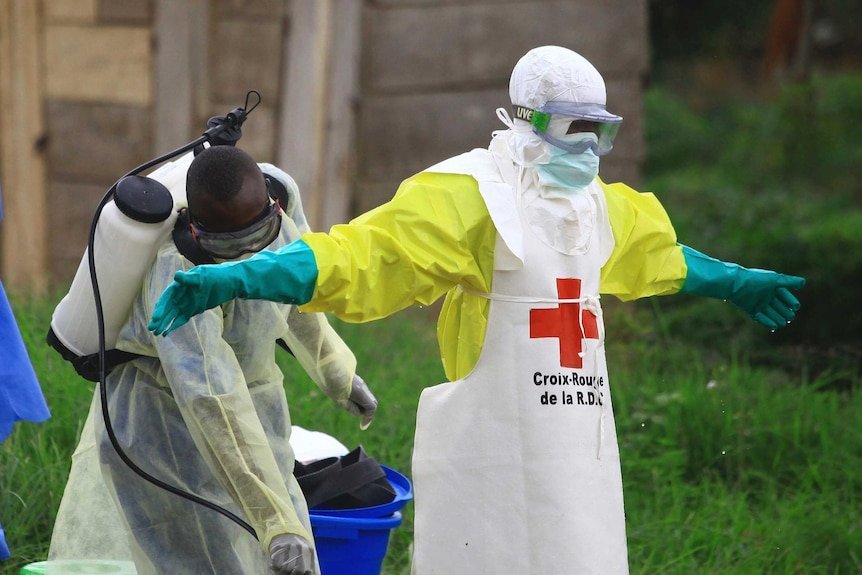
The DRC health ministry had previously reported 80 deaths in the new outbreak.
However, the WHO warned that there could potentially be a much larger outbreak than what is currently being detected and reported, given the high positivity rate of the initial samples and increasing number of suspected cases being reported.



The outbreak is considered “extraordinary” due to the lack of approved Bundibugyo virus-specific therapeutics or vaccines, unlike for Ebola-zaire strains. The WHO has advised countries to activate their national disaster and emergency-management mechanisms and undertake cross-border screening and screening at main internal roads.
In Uganda’s capital, Kampala, two apparently unrelated laboratory-confirmed cases, including one death, were reported on Friday and Saturday, from people traveling from the DRC.
A laboratory-confirmed case was also reported in the DRC capital, Kinshasa, from a person returning from Ituri.
The WHO has urged countries not to close their borders or restrict travel and trade out of fear, as this could lead to people and goods making informal border crossings that are not monitored.
Instead, the agency has advised immediately isolating confirmed cases and monitoring contacts daily, with restricted national travel and no international travel until 21 days after exposure.
Analysis: What This Means for Australia As the Ebola outbreak continues to spread in the Democratic Republic of Congo and Uganda, concerns are growing about the potential for international transmission.
While Australia’s geographical distance from the affected regions provides some protection, the country’s open borders and global connectivity make it vulnerable to the spread of infectious diseases.
Security analysts say that the outbreak highlights the need for Australia to strengthen its border control measures and preparedness for potential pandemics.
Law enforcement insiders warn that the outbreak could also lead to an increase in biosecurity threats, as individuals or groups may attempt to exploit the crisis for malicious purposes.
Industry observers believe that the outbreak will have significant economic and social consequences for the affected regions, with potential impacts on trade, tourism, and global supply chains.
The WHO’s declaration of a public health emergency of international concern is a clear indication of the severity of the situation and the need for a coordinated global response.
As the situation continues to unfold, Australia’s health authorities and policymakers will be closely monitoring developments and preparing for any potential impacts on the country’s health security.