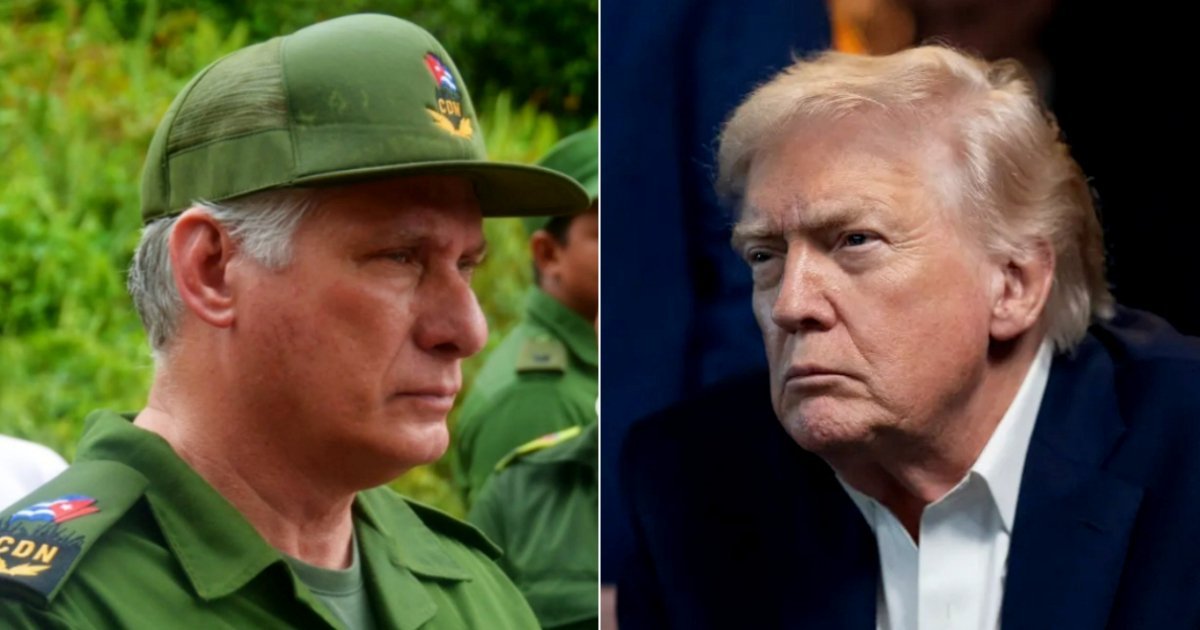
‘Genocidal Siege’: Cuba Warns US Against ‘Military Aggression’ as Trump Administration Seeks Indictment Against Raúl Castro
- Cuba warns US against launching ‘military aggression’ amid rising tensions and crippling blackouts
- President Miguel Díaz-Canel Bermúdez says US threats ‘already constitute an international crime’
- Trump administration seeks indictment against former Cuban president Raúl Castro over alleged role in 1996 downing of planes
- Cuba’s economy on brink of collapse after US oil blockade, with fuel rationed and basic services severely reduced
Cuba has issued a stark warning to the United States, cautioning against any act of “military aggression” as tensions between the two nations continue to escalate.
The warning comes as the Trump administration seeks an indictment against former Cuban president Raúl Castro, who is still believed to wield significant influence within the country’s politics.
The oil-rich island nation has been struggling to cope with a crippling blockade imposed by the US, which has led to widespread blackouts and fuel rationing.
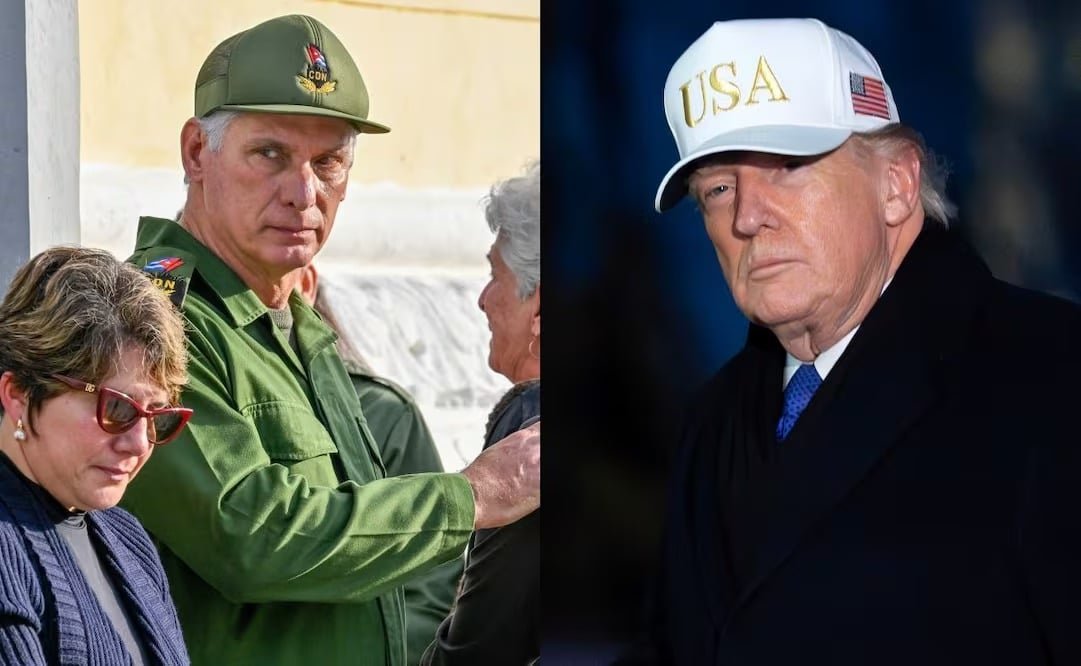
Cuban Energy Minister Vicente de la O Levy described the situation as “very serious”, stating that the country has “absolutely no fuel, we have absolutely no diesel”.
President Miguel Díaz-Canel Bermúdez has described the US oil blockade as a “genocidal siege that looks to strangle our people”. The blockade was imposed after the Trump administration seized Venezuelan President Nicolás Maduro, who faces narcoterrorism charges in a New York court.


Cuba relied heavily on oil shipments from Venezuela, which have now been halted.
The Trump administration’s moves have been seen as a clear attempt to exert pressure on the Cuban government, with many believing that the US is seeking to force a change of leadership in the island nation.
However, experts warn that the situation in Cuba is far more complex than in Venezuela, where a similar strategy was employed.
Luis Garcia, a former journalist who was born in Cuba and migrated to Australia, believes that the US oil blockade was “the last nail in the coffin” of the current Cuban regime.
“The Cuban economy has been in a state of crisis for decades, and especially since the collapse of the Soviet Union,” he said. “It’s now reached near total collapse.”
Analysis: What This Means for Australia
The escalating tensions between the US and Cuba have significant implications for Australia, particularly in terms of regional security and stability. As a key player in the Asia-Pacific region, Australia has a vested interest in maintaining peaceful relations with both the US and Cuba.
Security analysts say that a potential conflict between the US and Cuba could have far-reaching consequences for the region, including the potential for refugee flows and economic instability.
“The last thing the US would want is to put troops on the ground or to have potentially three or four million Cubans landing in Miami as refugees from armed conflict,” said Garcia.
Law enforcement insiders warn that the situation in Cuba is becoming increasingly volatile, with the potential for widespread unrest and violence. “The regime has lost control of the situation.
They have no choice but to negotiate,” said Garcia.
Industry observers believe that the US is seeking to exert its influence in the region, particularly in terms of energy and trade.
“The US is looking to expand its influence in the Caribbean and Latin America, and Cuba is a key player in that strategy,” said one expert.
As the situation in Cuba continues to unfold, Australia will be watching closely, aware of the potential implications for regional security and stability.
With the US seeking to exert its influence in the region, Australia will need to carefully navigate its relationships with both nations to maintain peaceful relations and avoid being drawn into a potential conflict.