Deadly Ebola Outbreak Spreads in Central Africa: ‘Scale and Speed of the Epidemic’ Sparks Global Fears for Australia and Beyond
- The death toll from the Ebola outbreak in central Africa has surged to 131, with 531 suspected infections, sparking concerns over the “scale and speed of the epidemic”.
- A US citizen, including an American missionary, has tested positive for the deadly disease, prompting the US government to urge Americans not to travel to Congo, South Sudan, or Uganda.
- The World Health Organisation (WHO) warns that the rare Bundibugyo virus has no approved vaccine or treatment, and a shortage of available tests, fuelling fears of widespread illness and death in central Africa.
- The outbreak has exposed the complexities of containing the disease in a region ravaged by civil war and conflict, with funding shortages further hampering health officials’ ability to fight Ebola.
The Ebola outbreak in central Africa has sent shockwaves around the world, with the death toll surging to 131 and 531 suspected infections.
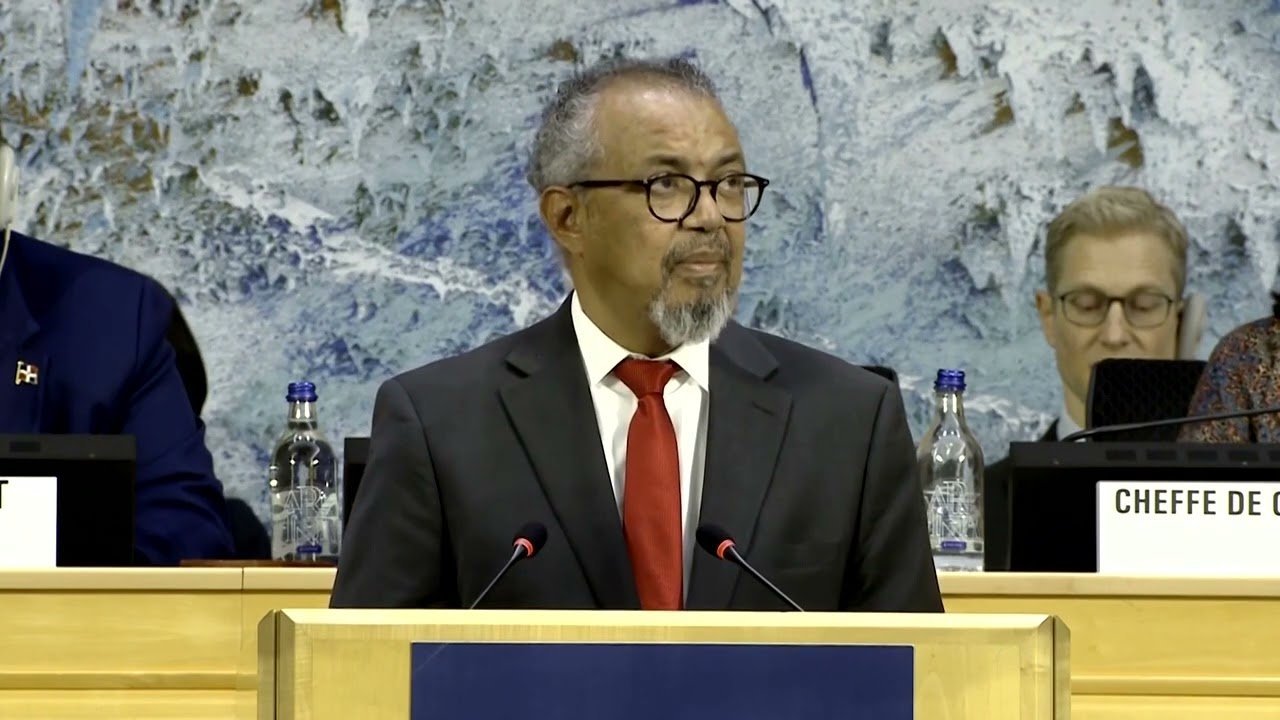
The WHO Director-General, Tedros Adhanom Ghebreyesus, expressed deep concern over the “scale and speed of the epidemic”, as global health experts warn of the capacity of this outbreak to cause widespread illness and death.
The outbreak was undetected for weeks, adding to the complexities in containing it, and has ripped through a region ravaged by civil war and conflict. Health officials are also grappling with funding shortages, which have further hampered their ability to fight Ebola.
The US government has urged Americans not to travel to Congo, South Sudan, or Uganda “for any reason”, and has committed to funding up to 50 Ebola response clinics.
The State Department said that the US is “strongly” urging Americans to avoid these areas, citing the “high risk” of contracting the disease.



The Bundibugyo virus, a rare strain of Ebola, has no approved vaccine or treatment, and a shortage of available tests has fuelled fears of widespread illness and death in central Africa.
The WHO’s emergency committee is set to convene to discuss the outbreak, as the organisation scrambles to respond to the crisis. Most cases have been in towns at the heart of the region’s gold-mining industry, which necessitates cross-border travel.
The number of suspected cases has risen dramatically, from 300 believed infected and 88 killed as of Monday.
The WHO’s representative in Congo, Anne Ancia, said that her organisation had been working “very well” with the US government on the Ebola outbreak, but that reductions in health funding have had a “tremendous impact” on its ability to counter the disease.
Analysis: What This Means for AustraliaThe Ebola outbreak in central Africa has significant implications for Australia’s national security and public health.
While the risk of Ebola spreading to Australia is low, the outbreak highlights the need for robust border control measures and emergency preparedness. Australia’s proximity to the Asia-Pacific region, where Ebola outbreaks have occurred in the past, makes it vulnerable to the spread of the disease.
The Australian government must remain vigilant and take proactive measures to prevent the spread of Ebola, including enhanced screening at airports and seaports. The outbreak also underscores the importance of investing in global health security and pandemic preparedness.
Australia has a critical role to play in supporting international efforts to combat Ebola and other infectious diseases, and must continue to provide funding and resources to support these efforts.
Security analysts say that the Ebola outbreak in central Africa is a wake-up call for Australia and the international community to take proactive measures to prevent the spread of infectious diseases.
“The Ebola outbreak in central Africa is a stark reminder of the need for robust border control measures and emergency preparedness,” said one analyst.
“Australia must remain vigilant and take proactive measures to prevent the spread of Ebola and other infectious diseases.”
Law enforcement insiders warn that the outbreak may also have implications for Australia’s law enforcement agencies, which must be prepared to respond to potential cases of Ebola in the country.
“The Ebola outbreak in central Africa highlights the need for law enforcement agencies to be prepared to respond to potential cases of Ebola in Australia,” said one insider.
“This includes having the necessary protocols and procedures in place to identify and contain the disease.”
Industry observers believe that the outbreak may also have economic implications for Australia, particularly in the mining and resources sector.
“The Ebola outbreak in central Africa may have significant economic implications for Australia, particularly in the mining and resources sector,” said one observer. “Australian companies operating in the region may need to take proactive measures to protect their employees and operations from the spread of the disease.”
The Ebola outbreak in central Africa has sent shockwaves around the world, with the death toll surging to 131 and 531 suspected infections. The WHO Director-General, Tedros Adhanom Ghebreyesus, expressed deep concern over the “scale and speed of the epidemic”, as global health experts warn of the capacity of this outbreak to cause widespread illness and death.
The outbreak was undetected for weeks, adding to the complexities in containing it, and has ripped through a region ravaged by civil war and conflict. Health officials are also grappling with funding shortages, which have further hampered their ability to fight Ebola.
The US government has urged Americans not to travel to Congo, South Sudan, or Uganda “for any reason”, and has committed to funding up to 50 Ebola response clinics. The State Department said that the US is “strongly” urging Americans to avoid these areas, citing the “high risk” of contracting the disease.
The Bundibugyo virus, a rare strain of Ebola, has no approved vaccine or treatment, and a shortage of available tests has fuelled fears of widespread illness and death in central Africa. The WHO’s emergency committee is set to convene to discuss the outbreak, as the organisation scrambles to respond to the crisis.
Most cases have been in towns at the heart of the region’s gold-mining industry, which necessitates cross-border travel. The number of suspected cases has risen dramatically, from 300 believed infected and 88 killed as of Monday.
The WHO’s representative in Congo, Anne Ancia, said that her organisation had been working “very well” with the US government on the Ebola outbreak, but that reductions in health funding have had a “tremendous impact” on its ability to counter the disease.
The Ebola outbreak in central Africa has significant implications for Australia’s national security and public health. While the risk of Ebola spreading to Australia is low, the outbreak highlights the need for robust border control measures and emergency preparedness.
Australia’s proximity to the Asia-Pacific region, where Ebola outbreaks have occurred in the past, makes it vulnerable to the spread of the disease. The Australian government must remain vigilant and take proactive measures to prevent the spread of Ebola, including enhanced screening at airports and seaports.
The outbreak also underscores the importance of investing in global health security and pandemic preparedness. Australia has a critical role to play in supporting international efforts to combat Ebola and other infectious diseases, and must continue to provide funding and resources to support these efforts.
Security analysts say that the Ebola outbreak in central Africa is a wake-up call for Australia and the international community to take proactive measures to prevent the spread of infectious diseases. “The Ebola outbreak in central Africa is a stark reminder of the need for robust border control measures and emergency preparedness,” said one analyst. “Australia must remain vigilant and take proactive measures to prevent the spread of Ebola and other infectious diseases.”
Law enforcement insiders warn that the outbreak may also have implications for Australia’s law enforcement agencies, which must be prepared to respond to potential cases of Ebola in the country. “The Ebola outbreak in central Africa highlights the need for law enforcement agencies to be prepared to respond to potential cases of Ebola in Australia,” said one insider. “This includes having the necessary protocols and procedures in place to identify and contain the disease.”
Industry observers believe that the outbreak may also have economic implications for Australia, particularly in the mining and resources sector. “The Ebola outbreak in central Africa may have significant economic implications for Australia, particularly in the mining and resources sector,” said one observer. “Australian companies operating in the region may need to take proactive measures to protect their employees and operations from the spread of the disease.”