
Treasurer Jim Chalmers Under Fire as ASIC Figures Reveal Young Australians’ Share Ownership May Be Twice as High as He Claims
- Treasurer Jim Chalmers’ claim that only 1 in 10 young Australians own shares contradicts ASIC data showing 1 in 5 people under 28 invest in shares
- Chalmers’ numbers based on income tax data, while ASIC’s figures come from a survey of 18-28 year olds
- 40 young Australian founders, including successful entrepreneurs, have signed an open letter to Prime Minister Anthony Albanese opposing the CGT changes
- The changes, which remove the CGT discount for all assets, have been labelled “a really dangerous place” for young business builders
The Treasurer’s attempt to defend the government’s decision to remove the capital gains tax (CGT) discount has been dealt a blow, with ASIC figures revealing that young Australians’ share ownership may be twice as high as he claims.
During an interview on a youth-oriented podcast, Jim Chalmers stated that “one in every 10 people under 35 have got shares”, but ASIC’s Moneysmart Gen Z Survey found that 18% of 18-28 year olds own shares and 23% own crypto.
When questioned about the discrepancy, Dr Chalmers claimed his figures were the “most recent numbers from the Treasury”, but it appears he may have been relying on outdated income tax data.
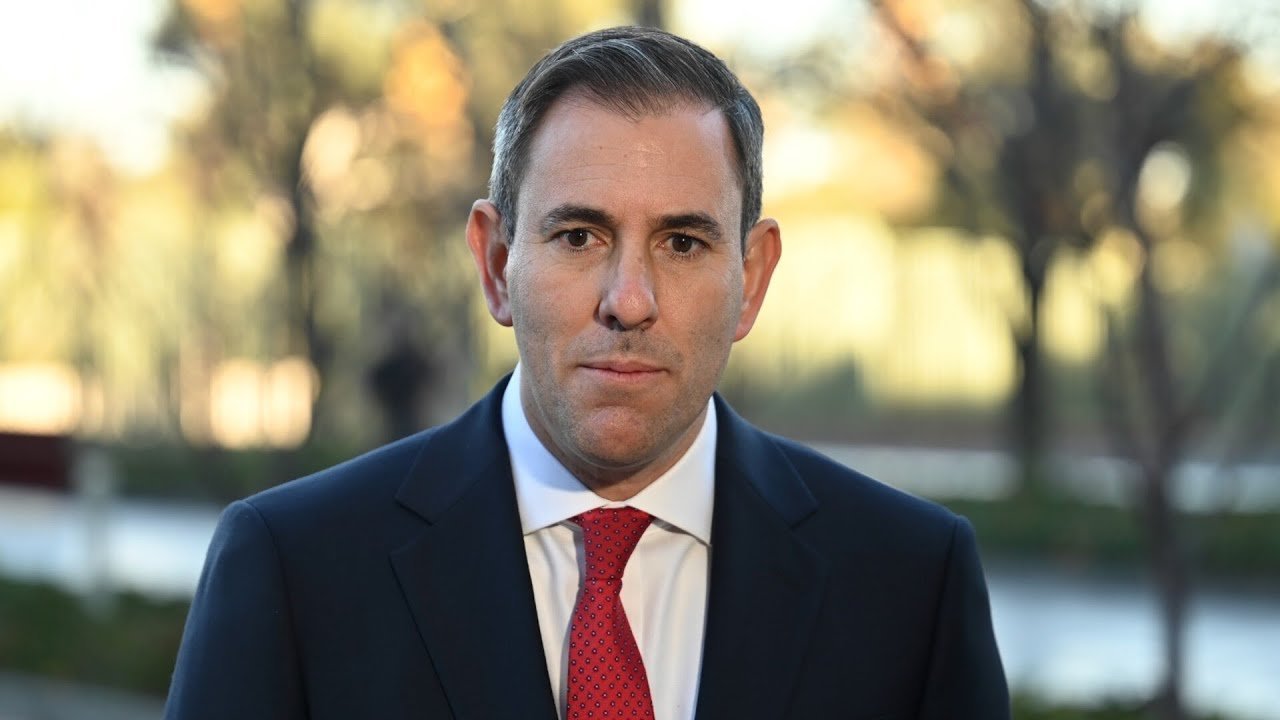
The ASIC survey, published in March, provides a more accurate picture of young Australians’ investment habits. The Treasurer’s office has been contacted for comment, but so far, no explanation has been provided for the discrepancy.
The revelation comes as 40 young Australian founders, including successful entrepreneurs, have signed an open letter to Prime Minister Anthony Albanese opposing the CGT changes. The letter argues that the reforms will “suck the ambition, drive and hope out of the hearts of young business builders nationwide”.
The signatories, who represent a broad cross-section of Aussie enterprise, claim that the changes will disproportionately affect young people who are trying to build businesses and create jobs.
One of the signatories, Damien Fitzpatrick, founder of sports supplement business Pillar Performance, told news.com.au that the reforms will discourage young people from taking risks and building businesses.
“I just feel Australians are so good at having a go at things and not worrying too much about the downside — I just don’t want people to be discouraged to do that, particularly that next young generation,” he said.
The backlash against the CGT changes has been severe, with many critics labelling the government’s decision as “illogical” and “confusing”. The reforms, which were announced in the federal budget, will remove the CGT discount for all assets, including shares and businesses.
This means that Australians who own shares and businesses will no longer receive a 50% CGT discount when they sell after July 2027, and will instead pay tax on their indexed capital gain at their marginal income tax rate of up to 47%, or a minimum of 30%.
Analysis: What This Means for Australia
The CGT changes have significant implications for Australia’s economy and young people’s ability to build businesses.
The reforms may lead to a decrease in investment and entrepreneurship, as young people may be deterred from taking risks and building businesses due to the increased tax burden.
This could have long-term consequences for Australia’s economic growth and competitiveness.
Security analysts say that the reforms may also lead to a brain drain, as young entrepreneurs may choose to take their businesses and ideas overseas to avoid the increased tax burden.
This could result in a loss of talent and innovation for Australia, and may have significant consequences for the country’s economic future.
Law enforcement insiders warn that the reforms may also lead to an increase in tax evasion and avoidance, as individuals and businesses may try to find ways to avoid paying the increased tax.
This could result in a loss of revenue for the government and may lead to a decrease in public trust and confidence in the tax system.