
Four Australians Behind Bars in Bali’s Notorious Kerobokan Prison Miss Out on Sentence Reductions After Being Caught with Mobile Phones
- Four Australians, including a cocaine smuggler and three men convicted of a brutal murder, have been punished for breaking prison rules in Bali’s notorious Kerobokan Prison.
- Their sentences were set to be reduced by one month as part of Indonesia’s Independence Day celebrations, but the reductions were cancelled after they were caught with mobile phones in their cells.
- The men, including Queenslander Lamar Ahchee, have been slapped with 12 days in solitary confinement and banned from receiving deliveries.
- The incident highlights the strict rules and harsh punishments in Indonesian prisons, where inmates must demonstrate good behaviour to be eligible for sentence reductions.
In a shocking turn of events, four Australians languishing in Bali’s infamous Kerobokan Prison have been denied a chance to have their sentences reduced after being caught with mobile phones in their cells.
The men, including Queenslander Lamar Ahchee, who was sentenced to 12 years in prison for his role in a cocaine smuggling plot, had been set to receive a one-month reduction in their sentences as part of Indonesia’s Independence Day celebrations.
However, their hopes of an early release were dashed when prison authorities discovered the contraband devices, sparking a swift and severe response.
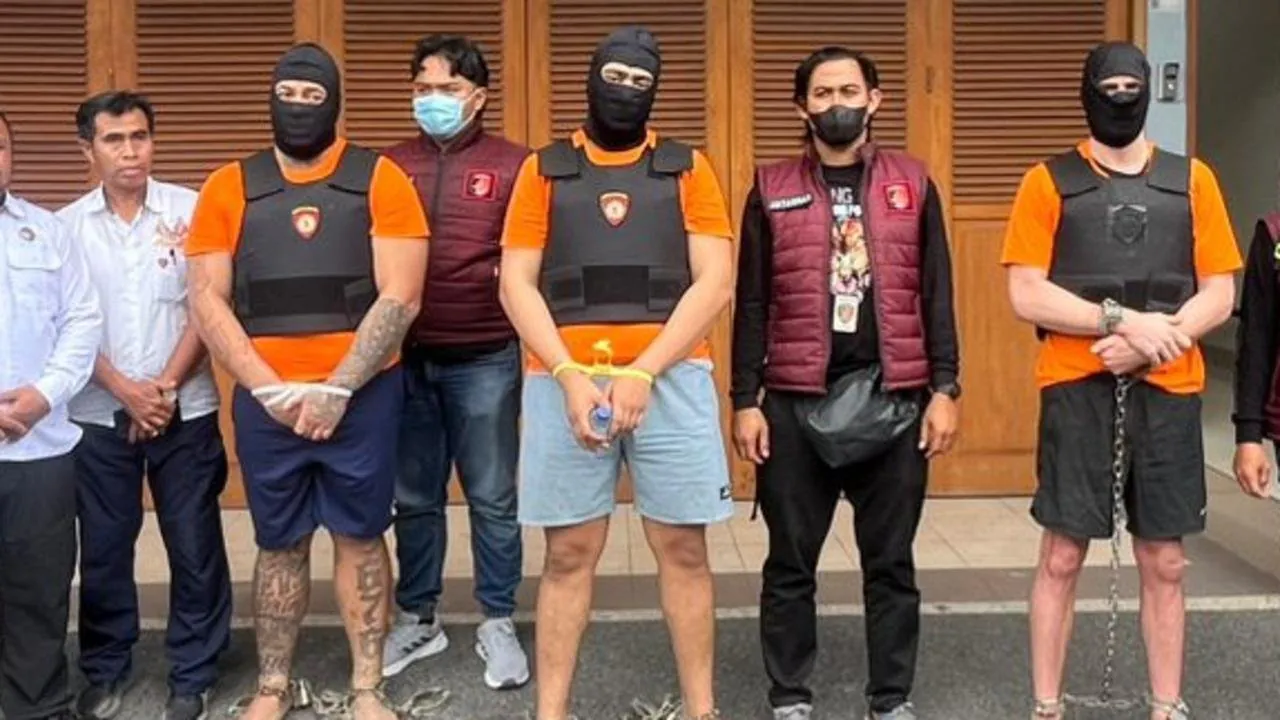
Ahchee, along with his fellow Australians Darcy Francesco Jenson, Paea-I-Middlemore Tupou, and Mevlut Coskun, were punished with 12 days in solitary confinement and banned from receiving deliveries.
The men had been looking forward to a rare respite from the harsh conditions of Kerobokan Prison, where overcrowding, corruption, and violence are rampant.




The “Bali 3” – Jenson, Tupou, and Coskun – had their prison terms extended by an appeal judge in April for their roles in the 2025 shooting murder of Melbourne father Zivan Radmanovic in a Bali villa.
Jenson is facing 17 years behind bars for planning the murder, while Tupou and Coskun will spend 18 years for their roles as gunmen. Ahchee’s sentence, meanwhile, was handed down in December, marking the latest chapter in a long and complex saga of crime and punishment.
But why did these men risk everything by bringing mobile phones into their cells? The answer lies in the harsh realities of life in Kerobokan Prison, where inmates are often forced to rely on smuggling and corruption to survive.
With limited access to basic necessities like food, water, and medical care, prisoners are often driven to desperate measures to stay in touch with the outside world and maintain some semblance of dignity.
Analysis: What This Means for Australia
The incident highlights the risks and consequences faced by Australians who engage in criminal activity overseas.
As the Australian government continues to grapple with the complexities of international crime and punishment, this case serves as a stark reminder of the need for tougher laws and stricter enforcement.
Law enforcement insiders warn that the use of mobile phones in prisons is a major security risk, allowing inmates to coordinate with associates on the outside and potentially orchestrate further crimes.
Security analysts say that the case also underscores the importance of cooperation between Australian and Indonesian authorities in the fight against transnational crime.
As the two countries continue to strengthen their ties and share intelligence, it is clear that there is still much work to be done to address the root causes of crime and ensure that justice is served.
Industry observers believe that the incident will also have significant implications for Australian tourists and expats living in Bali, who may be unaware of the harsh penalties for even minor infractions.
As the island continues to attract millions of visitors each year, it is essential that Australians are aware of the risks and take steps to educate themselves about local laws and customs.
For Ahchee, Jenson, Tupou, and Coskun, the road to redemption will be long and difficult.
As they navigate the harsh realities of life in Kerobokan Prison, they will be forced to confront the consequences of their actions and the damage they have caused.
For Australia, the case serves as a timely reminder of the importance of upholding the rule of law and protecting the safety and security of its citizens, both at home and abroad.