
Meet the Unlikely One Nation Supporter Who’s Shattering Stereotypes and Defying Expectations
- Meet Ronil Prasad, a migrant from Fiji who’s proud to call himself Australian and has become an unlikely supporter of One Nation.
- Despite being a non-white Australian, Prasad rejects the politics of victimhood and is vocal about protecting Australia’s identity.
- His views have sparked outrage among migrant activists, but Prasad is not alone – many migrants are turning to One Nation due to concerns over the rate of migration and its impact on their lives.
- As the party’s popularity soars, Prasad’s story challenges the lazy racism trope and highlights the complexities of the migrant experience in Australia.
Imagine a One Nation supporter in your mind’s eye – what do you see? A flag-waving, outspoken individual who’s unapologetic about their views?
You might be surprised to learn that this description fits Ronil Prasad, a migrant from Fiji who’s proud to call himself Australian. Prasad’s story is a nuanced one, and it challenges the stereotypes and expectations that often surround One Nation and its supporters.
Prasad’s family fled a Fijian military coup four decades ago, and he’s since built a life in Australia as a small business owner. He’s a self-described fan of Pauline Hanson, whom he sees as a champion of Australian values.
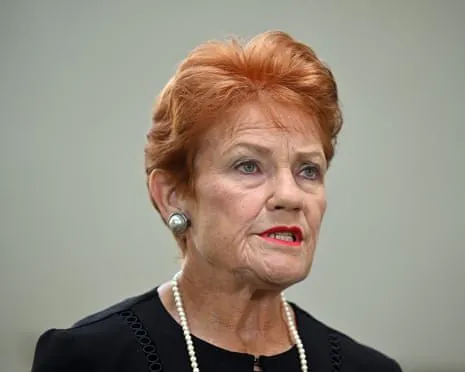
“She’s fantastic to be honest with you,” he says.
“She loves her own country so much, that’s not racist.” For Prasad, it’s about protecting the country he’s come to call home – and he’s not afraid to speak his mind.
As a migrant who’s rejected the politics of victimhood, Prasad’s views have sparked outrage among some migrant activists. But he’s not alone in his support for One Nation.
The party’s popularity has been soaring, and it’s not just due to its traditional base. Many migrants are turning to One Nation due to concerns over the rate of migration and its impact on their lives.
They’re facing the same challenges as everyone else – the housing crisis, high inflation, rising taxes, and a decaying social fabric. And they’re looking for a party that will listen to their concerns and address the issues that matter most to them.
So, what’s driving this shift towards One Nation? It’s not about racism, but about the rate of migration.
As Prasad points out, migrants themselves are disadvantaged by a high rate of migration. It’s a nuanced issue, and one that requires a thoughtful and considered approach.
But for many, the answer lies in supporting a party that’s willing to have the tough conversations and take a stand on the issues that matter.
Analysis: What This Means for Australia
The rise of One Nation and the growing support for the party among migrants is a wake-up call for Australia.
It highlights the need for a more nuanced approach to migration and the importance of listening to the concerns of all Australians, regardless of their background.
As the country grapples with the challenges of mass migration, it’s clear that the old stereotypes and expectations no longer apply. It’s time for a new conversation – one that’s based on facts, not fiction, and that puts the needs of all Australians at its heart.
Security analysts say that the shift towards One Nation is a symptom of a deeper issue – a sense of disillusionment and disconnection among many Australians. “People are feeling left behind by the major parties and are looking for alternatives,” says one expert.
“One Nation is tapping into that sense of frustration and disillusionment, and it’s resonating with many voters.”
Law enforcement insiders warn that the impact of mass migration on Australia’s social fabric cannot be ignored. “We’re seeing a growing sense of unease and tension in many communities,” says one source.
“It’s not just about racism – it’s about the pace of change and the impact it’s having on people’s lives.”
Industry observers believe that the rise of One Nation is a sign of a broader shift in Australian politics. “We’re seeing a move away from the old Left-Right divide and towards a more nuanced approach to politics,” says one commentator.
“One Nation is part of that shift, and it’s likely to continue to grow in popularity as long as it’s willing to have the tough conversations and take a stand on the issues that matter.”