
Fuel Price Time Bomb: Petrol Could Soar by 26 Cents a Litre in July as Albanese Refuses to Commit to Tax Cut Extension
- Petrol prices could skyrocket by 26 cents a litre in July if the government doesn’t extend the temporary tax cut, sparking widespread panic among motorists.
- Prime Minister Anthony Albanese has left the door open to extending the $2.5 billion tax cut, but says a decision will be made close to June 30.
- The temporary tax cut has saved motorists $19 on the cost of a 65L tank of fuel since April, but its future is uncertain.
- Experts warn that cutting petrol excise is a “bad idea economically” as it will fuel demand at a time when the country needs to reduce it.
The future of Australia’s petrol prices hangs in the balance as Prime Minister Anthony Albanese refuses to commit to extending the temporary tax cut beyond June 30.
The stakes are high, with motorists facing a potential price hike of 26 cents a litre in July if the government doesn’t act.
The temporary tax cut, which has saved motorists $19 on the cost of a 65L tank of fuel since April, has been a lifeline for many struggling to cope with the soaring cost of living.
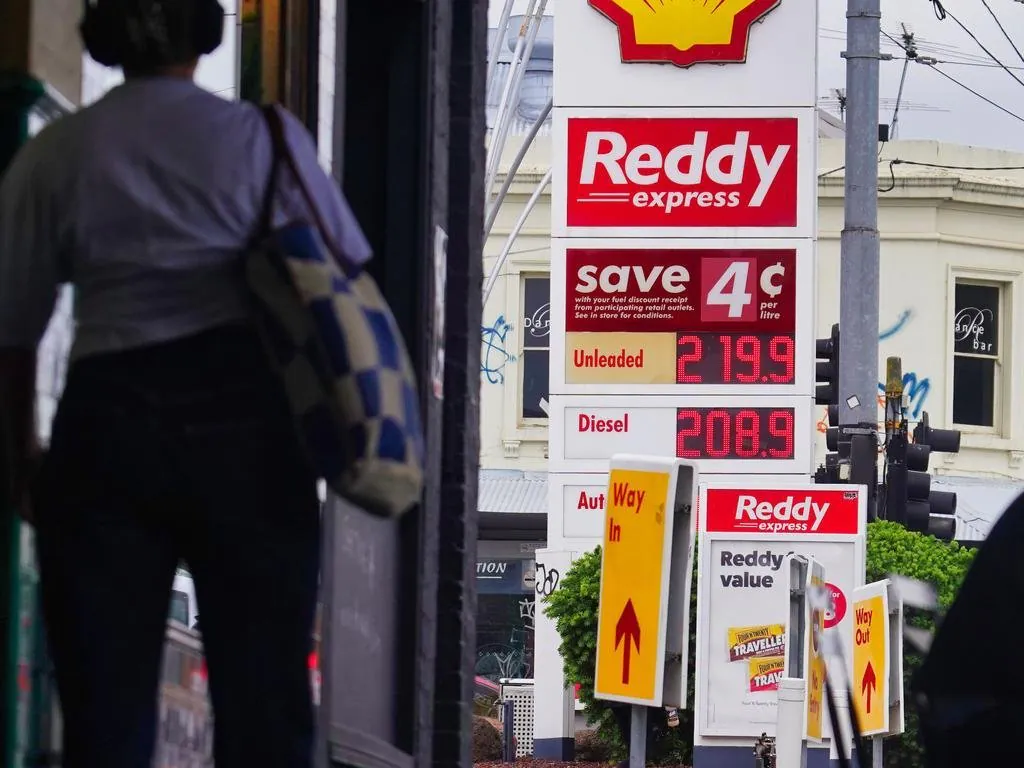
The $2.5 billion tax cut was introduced in April to soften the impact of the war in the Middle East on Australian motorists. However, with the conflict showing no signs of abating, the government is under pressure to extend the relief.
Mr Albanese has left the door open to extending the tax cut, but says a decision will be made close to June 30. “We’ll do an assessment closer to the day, it’s costly, but as well it has made a difference,” he said.
The government’s decision to introduce the tax cut was a major backflip, with Mr Albanese initially ruling out the option. However, as the petrol crisis deepened, the government was forced to act.
The tax cut has been a welcome relief for motorists, but experts warn that it’s a short-term fix that could have long-term consequences.
Richard Holden, an emeritus professor of economics at the University of NSW, says that cutting petrol excise is a “bad idea economically” as it will fuel demand at a time when the country needs to reduce it.
The opposition has been quick to capitalize on the government’s uncertainty, with Liberal leader Angus Taylor accusing Mr Albanese of being “asleep at the wheel”. “Anthony Albanese is asleep at the wheel.
He needs to stop watching and start acting. Australians are hurting,” Mr Taylor said.
“Families across the country are seeing their standard of living collapse, yet Labor does nothing.”
As the government grapples with the decision, motorists are being encouraged to use public transport wherever possible to help conserve fuel.
The Australian Competition and Consumer Commission (ACCC) will continue to monitor fuel prices to ensure that the lower excise rate is fully passed on at the bowser.
However, with the future of the tax cut uncertain, motorists are bracing themselves for a potential price hike.
Analysis: What This Means for AustraliaThe potential price hike has significant implications for Australia’s economy and national security.
With the country already facing a cost of living crisis, a 26 cent a litre increase in petrol prices could have devastating consequences for families and businesses.
The government’s decision to introduce the tax cut was a necessary evil, but its uncertainty over the extension is causing widespread anxiety.
Law enforcement insiders warn that the potential price hike could lead to an increase in petrol theft and smuggling, as desperate motorists turn to the black market to get their hands on cheaper fuel.
“There’s already a thriving black market for petrol, and if prices go up, it will only get worse,” a law enforcement source said. Industry observers believe that the government’s uncertainty over the tax cut extension is also causing chaos in the petrol industry.
“The government’s indecision is creating uncertainty in the market, which is making it difficult for petrol stations to plan for the future,” an industry source said.
As the government weighs up its options, one thing is clear: the future of Australia’s petrol prices is uncertain, and the stakes are high.
With the cost of living crisis deepening and the war in the Middle East showing no signs of abating, the government must act quickly to provide relief to motorists.
But with experts warning of the long-term consequences of cutting petrol excise, the government must also consider the potential risks of its decision.
Security analysts say that the government’s decision will have significant implications for national security, particularly in the context of the ongoing war in the Middle East.
“The government’s decision will have a direct impact on Australia’s national security, particularly in terms of our ability to respond to global crises,” a security analyst said.
As the government grapples with the decision, one thing is clear: the future of Australia’s petrol prices is a ticking time bomb, and the stakes are higher than ever.
The future of Australia’s petrol prices hangs in the balance as Prime Minister Anthony Albanese refuses to commit to extending the temporary tax cut beyond June 30. The stakes are high, with motorists facing a potential price hike of 26 cents a litre in July if the government doesn’t act. The temporary tax cut, which has saved motorists $19 on the cost of a 65L tank of fuel since April, has been a lifeline for many struggling to cope with the soaring cost of living.
The $2.5 billion tax cut was introduced in April to soften the impact of the war in the Middle East on Australian motorists. However, with the conflict showing no signs of abating, the government is under pressure to extend the relief. Mr Albanese has left the door open to extending the tax cut, but says a decision will be made close to June 30. “We’ll do an assessment closer to the day, it’s costly, but as well it has made a difference,” he said.
The government’s decision to introduce the tax cut was a major backflip, with Mr Albanese initially ruling out the option. However, as the petrol crisis deepened, the government was forced to act. The tax cut has been a welcome relief for motorists, but experts warn that it’s a short-term fix that could have long-term consequences. Richard Holden, an emeritus professor of economics at the University of NSW, says that cutting petrol excise is a “bad idea economically” as it will fuel demand at a time when the country needs to reduce it.
The opposition has been quick to capitalize on the government’s uncertainty, with Liberal leader Angus Taylor accusing Mr Albanese of being “asleep at the wheel”. “Anthony Albanese is asleep at the wheel. He needs to stop watching and start acting. Australians are hurting,” Mr Taylor said. “Families across the country are seeing their standard of living collapse, yet Labor does nothing.”
As the government grapples with the decision, motorists are being encouraged to use public transport wherever possible to help conserve fuel. The Australian Competition and Consumer Commission (ACCC) will continue to monitor fuel prices to ensure that the lower excise rate is fully passed on at the bowser. However, with the future of the tax cut uncertain, motorists are bracing themselves for a potential price hike.
The potential price hike has significant implications for Australia’s economy and national security. With the country already facing a cost of living crisis, a 26 cent a litre increase in petrol prices could have devastating consequences for families and businesses. The government’s decision to introduce the tax cut was a necessary evil, but its uncertainty over the extension is causing widespread anxiety.
Law enforcement insiders warn that the potential price hike could lead to an increase in petrol theft and smuggling, as desperate motorists turn to the black market to get their hands on cheaper fuel. “There’s already a thriving black market for petrol, and if prices go up, it will only get worse,” a law enforcement source said.
Industry observers believe that the government’s uncertainty over the tax cut extension is also causing chaos in the petrol industry. “The government’s indecision is creating uncertainty in the market, which is making it difficult for petrol stations to plan for the future,” an industry source said.
As the government weighs up its options, one thing is clear: the future of Australia’s petrol prices is uncertain, and the stakes are high. With the cost of living crisis deepening and the war in the Middle East showing no signs of abating, the government must act quickly to provide relief to motorists. But with experts warning of the long-term consequences of cutting petrol excise, the government must also consider the potential risks of its decision.
Security analysts say that the government’s decision will have significant implications for national security, particularly in the context of the ongoing war in the Middle East. “The government’s decision will have a direct impact on Australia’s national security, particularly in terms of our ability to respond to global crises,” a security analyst said.
As the government grapples with the decision, one thing is clear: the future of Australia’s petrol prices is a ticking time bomb, and the stakes are higher than ever.