US-Iran Conflict Ignites Again: Strikes, Retaliation and a Threat to Global Oil Supplies
- Iran accuses the US of violating a fragile ceasefire with ‘defensive strikes’ in the southern Hormozgan province
- US Secretary of State Marco Rubio warns that negotiations to halt the conflict could “take a few days” as tensions escalate
- The Strait of Hormuz, a critical oil shipping route, remains blockaded, sparking concerns over global fuel and food prices
- Iran’s Supreme Leader Ayatollah Mojtaba Khamenei vows to retaliate, calling for an end to “American bases” in the region
The fragile ceasefire between the US and Iran has been shattered, with both sides engaging in a fresh round of strikes and retaliations that threaten to escalate the conflict.
The US conducted what it called “defensive strikes” in Iran’s southern Hormozgan province, prompting Iran’s foreign ministry to condemn the move as a “gross violation” of the ceasefire.
The strikes, which targeted Iranian boats attempting to lay mines and missile launch sites, have sparked fears of a wider conflict that could disrupt global oil supplies and push prices even higher.
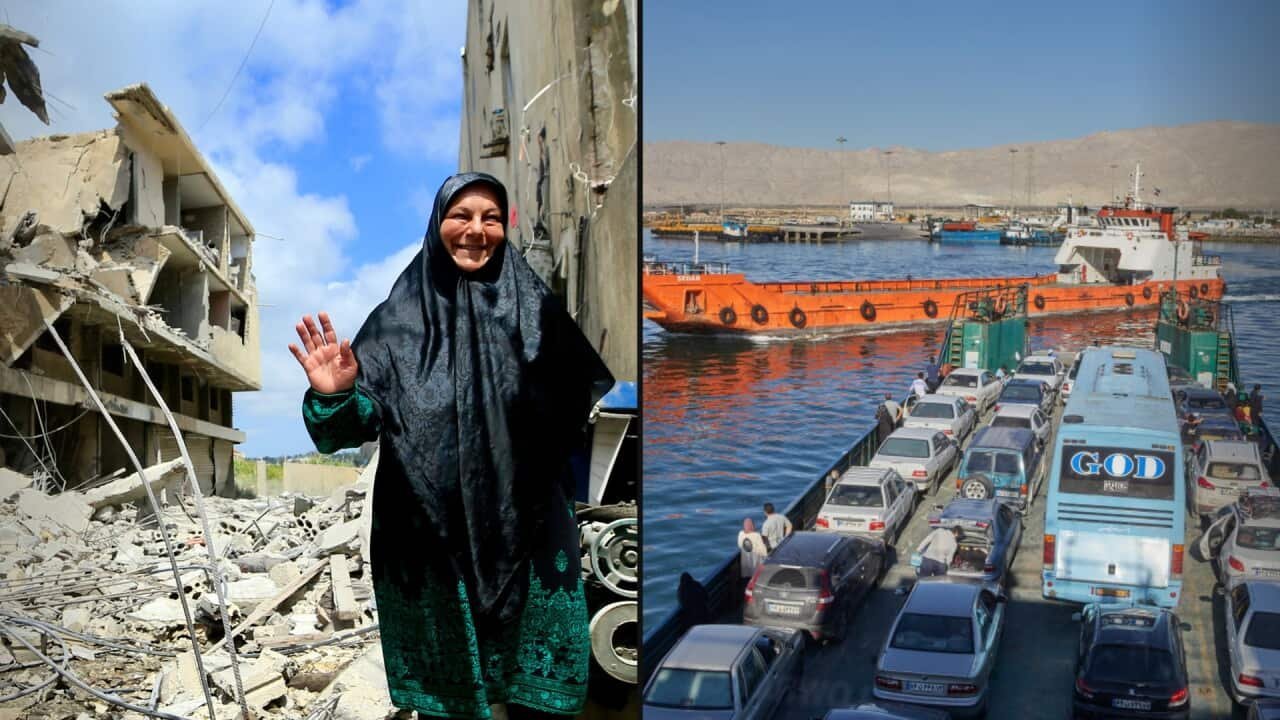
The conflict, which began in February with US and Israeli strikes on Iran, has already caused an unprecedented oil supply shock, with global benchmark Brent crude futures rising to around $US100 ($A140) a barrel.
The war has also led to a significant increase in the costs of fuel, fertiliser, and food, with the blockaded Strait of Hormuz – which normally carries about a fifth of global trade in oil and liquefied natural gas – operating at a fraction of its usual level.




US Secretary of State Marco Rubio warned that negotiations to halt the conflict could “take a few days”, as the two sides struggle to reach an agreement on a memorandum of understanding that could lead to a final deal.
Iran’s top negotiator, Mohammad Baqer Qalibaf, returned to Iran from Qatar after talks seeking agreement on the release of around $US24 billion ($A33 billion) of frozen Iranian funds as part of the memorandum of understanding.
The conflict has also sparked a war of words, with Iran’s Supreme Leader Ayatollah Mojtaba Khamenei vowing to retaliate against the US and calling for an end to “American bases” in the region.
In a statement posted on his Telegram channel, Khamenei said: “The clock cannot be turned back, and the nations and lands of the region will no longer be a shield for American bases.”
Analysis: What This Means for Australia
The escalating conflict between the US and Iran has significant implications for Australia, particularly in terms of national security and economic stability.
The blockaded Strait of Hormuz, a critical oil shipping route, poses a major threat to global oil supplies and could lead to higher fuel prices in Australia.
The conflict also raises concerns about the potential for retaliatory attacks on Australian interests in the region, particularly in light of Australia’s close alliance with the US.
Security analysts warn that the conflict could also have a broader impact on regional stability, potentially drawing in other countries and sparking a wider conflict. “The situation is highly volatile and unpredictable,” said one analyst.
“The potential for miscalculation and escalation is high, and Australia needs to be prepared for any eventuality.”
Law enforcement insiders also warn that the conflict could have implications for Australia’s domestic security, particularly in terms of the potential for Iranian-backed terrorism. “We need to be vigilant and proactive in monitoring and responding to potential threats,” said one source.
“The conflict has the potential to inspire extremist groups and individuals to carry out attacks in Australia.”
Industry observers believe that the conflict could also have significant economic consequences for Australia, particularly in terms of trade and investment. “The blockaded Strait of Hormuz is a major concern for Australian businesses, particularly those involved in the oil and gas sector,” said one industry expert.
“The potential for disruptions to supply chains and higher prices could have a significant impact on the Australian economy.”
As the conflict continues to escalate, Australia needs to be prepared for any eventuality.
The government must work closely with its allies to de-escalate the situation and prevent a wider conflict, while also taking steps to protect Australian interests and ensure domestic security.
The situation is highly volatile and unpredictable, and Australia must be prepared to respond to any development.