
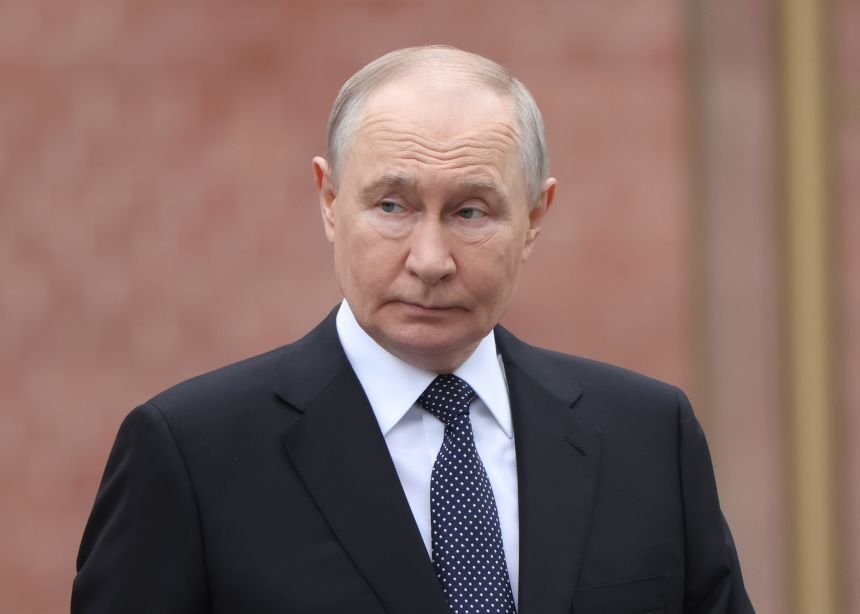
Putin’s Autumn Ambush: Experts Warn Russia May Launch Sudden Attack on NATO Ally Within Weeks
- Russia may test NATO’s strength with a cyberattack or even a small-scale land invasion as early as this autumn, US intelligence warns
- Putin’s goal is to fracture the 77-year-old alliance and force the US’s hand, as he faces increasing pressure at home to defeat Ukraine
- NATO’s eastern flank, including Poland, Finland, and the Baltic States, is seen as vulnerable to a Russian attack, which could spark a wider conflict
- The US is dealing with a shortage of critical munitions, including long-range missiles and surface-to-air missiles, which could hinder its response to a Russian attack
The world is holding its breath as US intelligence warns that Russian President Vladimir Putin may be planning a sudden attack on a NATO ally as early as this autumn.
The possibility of a cyberattack or even a small-scale land invasion has been raised, with the aim of testing the alliance’s strength and forcing the US’s hand.
This comes as Putin faces increasing pressure at home to defeat Ukraine, and with Russia’s forces suffering heavy casualties, the autocrat may be more open to taking bold action against NATO.
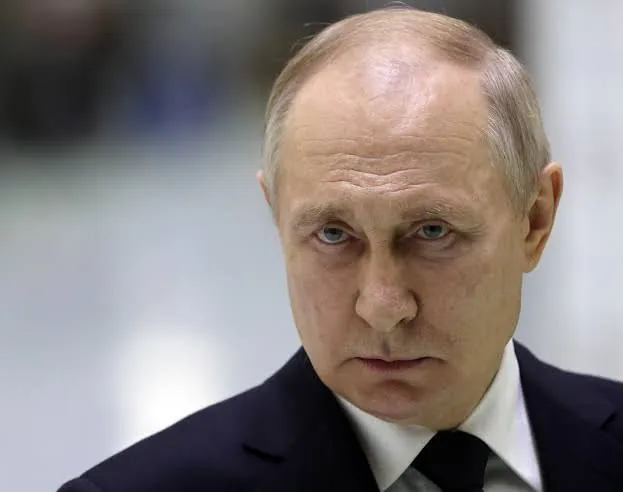
The warning comes just a day after Lithuania sounded the alarm over a potential “false flag” attack on the Baltic States using captured Ukrainian drones.
The reports of a possible limited assault also come as the US deals with a shortage of critical munitions, including long-range Precision Strike Missiles and Army Tactical Missile Systems, as well as short-range Stinger surface-to-air missiles.
These weapons would be crucial in pushing back against a Russian attack.
Russia has already shown its willingness to push NATO, with Russian missiles landing in Poland and drones flying over Romania.
Theories of action against NATO that the Kremlin could take range from a cyberattack to unmarked armed groups, which would give Russia a level of deniability, to occupy land or even a limited ground invasion on the eastern flank closest to Russia.
The region is seen as vulnerable, with Poland, Finland, and the Baltic States of Latvia, Lithuania, and Estonia all sharing borders with Russia. While Poland and Finland are relatively large nations with well-funded militaries, the three Baltic States are much smaller nations with less military heft.
They are also geographically vulnerable, sandwiched between the Baltic Sea and Russia and its client state Belarus.
Analysis: What This Means for Australia
The potential for a Russian attack on a NATO ally has significant implications for Australia’s national security. As a key player in the Asia-Pacific region, Australia has a vested interest in maintaining stability and security in the region.
A Russian attack on NATO could have far-reaching consequences, including the potential for a wider conflict that could draw in other nations, including Australia.
Law enforcement insiders warn that a Russian attack on NATO could also have significant implications for Australia’s cybersecurity. With Russia’s proven track record of launching cyberattacks, Australia’s cybersecurity infrastructure could be at risk of being targeted.
This highlights the need for Australia to continue to invest in its cybersecurity capabilities and to work closely with its allies to share intelligence and best practices.
Security analysts say that the potential for a Russian attack on NATO also highlights the need for Australia to continue to invest in its military capabilities.
With the US facing a shortage of critical munitions, Australia may need to rely on its own military capabilities to respond to any potential threats in the region.
This underscores the importance of Australia’s ongoing military modernization program and the need for continued investment in its defense forces.
Industry observers believe that a Russian attack on NATO could also have significant economic implications for Australia. With Russia a key player in global energy markets, any disruption to energy supplies could have far-reaching consequences for the global economy.
This highlights the need for Australia to continue to diversify its energy mix and to invest in renewable energy sources.
As the world waits with bated breath for Putin’s next move, one thing is clear: the potential for a Russian attack on a NATO ally has significant implications for Australia’s national security, cybersecurity, military capabilities, and economy.
As the situation continues to unfold, Australia must remain vigilant and continue to work closely with its allies to maintain stability and security in the region.