
‘A Dark Week for Democracy’: Shaken WA Politicians Reveal Stalkers, Threats and Fear as Brutal Attack That Cost Helen Haines Both Legs Sends Shockwaves Across the Nation
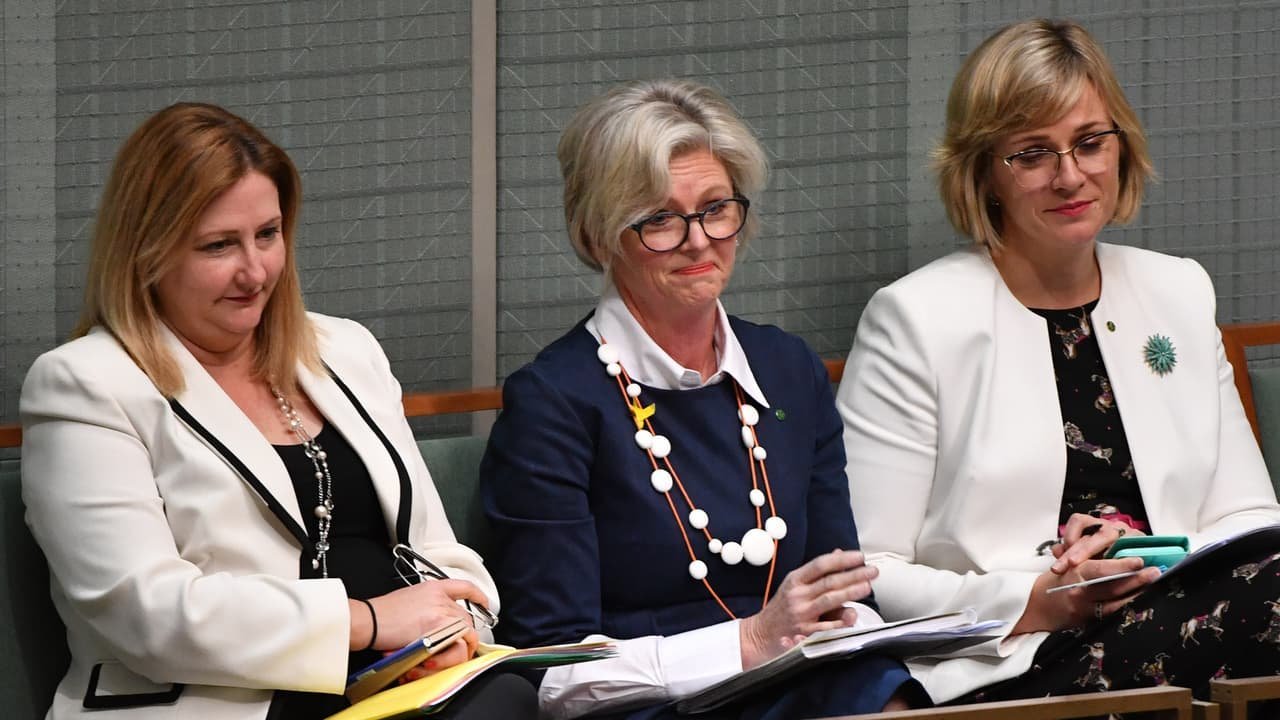
- Federal independent MP Helen Haines has lost both legs after allegedly being run down outside her Victorian electorate office, an attack that has rattled politicians across the country.
- Less than 24 hours later, staff at WA Labor MP Hannah Beazley’s office were allegedly threatened. A 56-year-old man has been charged.
- A former police officer turned Labor MP has revealed he is dealing with a stalker, and One Nation’s WA leader says he was threatened on his drive home.
- The WA Government is now paying for security upgrades at politicians’ homes and has fast-tracked a review of Parliament’s defences.
They are paid to argue, to front up and to take the hits. But this week, some of Western Australia’s toughest political operators walked into Parliament looking genuinely afraid.
The fear was not abstract.
It followed a horrifying act of alleged violence on the other side of the country, a threatening incident in a Perth suburb and a growing pile of personal stories from MPs about stalkers, abuse and intimidation.
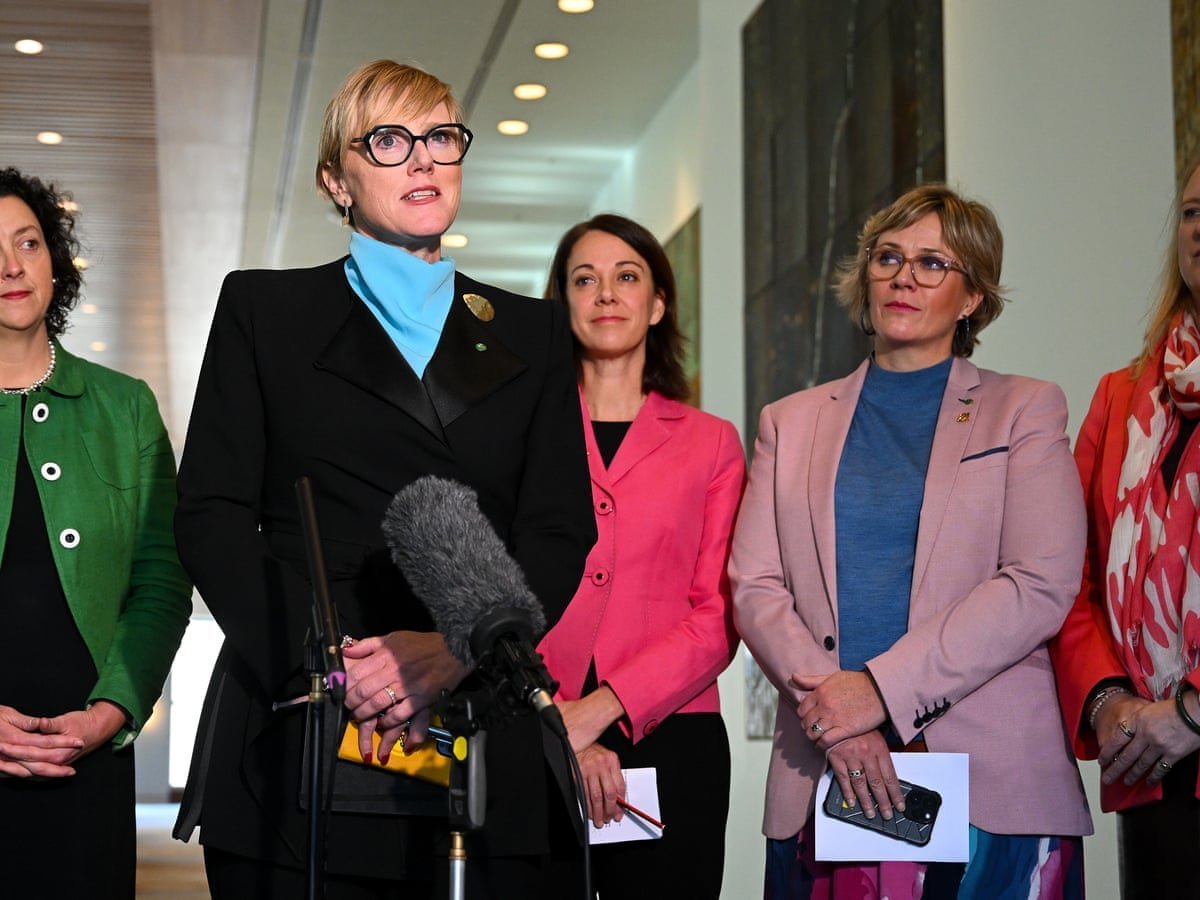
The question hanging over every corridor of power is now blunt: how can elected representatives keep their doors open when opening the door may put their lives at risk?
The crisis began on Monday in regional Victoria. Dr Helen Haines, the independent federal member for Indi, was allegedly struck by a vehicle outside her electorate office.
She has since lost both of her legs.
Brendan Nugent, 43, has been accused over the incident. Police have not yet revealed what may have motivated the alleged attack.
On Tuesday, the fallout reached Perth. Staff at the office of state Labor MP Hannah Beazley were allegedly threatened, and the office was closed the following day.
John Lawrence Smart, 56, has been charged. A magistrate heard he had previously been diagnosed with schizophrenia.
Mr Smart told the court the object police allege was a weapon was in fact a musical instrument. Investigations are continuing.
Energy Minister Amber-Jade Sanderson, known for relishing a political fight, arrived at Parliament on Wednesday visibly shaken. She said she loved being accessible to her community but had noticed the job becoming steadily harder and riskier, particularly over the past two years.
She was far from alone. Almost every MP who addressed the issue this week said much the same thing.
Labor backbencher Mark Folkard, who spent decades as a police officer before entering politics, disclosed that he is currently dealing with a stalker. He urged colleagues to look past calls to simply cool tensions and ask what is actually driving the anger.
Rod Caddies, One Nation’s WA leader, said he was threatened while driving home the day after Dr Haines was attacked.
First-term Liberal MP Adam Hort described it as a dark week for Australian democracy.
The events did not come out of nowhere. In February, 20-year-old Jayson Joseph Michaels was charged with planning an attack on public buildings, including Parliament House.
Taken together, the cases form a deeply unsettling pattern. Politicians across party lines say debate has grown more poisonous, and that the tone has shifted from policy disagreement to personal hostility.
Deputy Premier Rita Saffioti said policy arguments had become more extreme. She warned that people were beginning to dehumanise politicians rather than argue the facts.
Housing Minister John Carey knows the cost of that shift personally.
He has acknowledged he is a frequent target of abuse, partly because of his portfolio during the housing crisis and partly because he is openly gay.
He believes dehumanisation feeds escalation.
Federal Opposition Leader Angus Taylor, in Perth for the Liberal State Conference, told 102.5 ABC Perth on Friday that trust in institutions had already eroded, and that the damage would deepen if MPs could no longer engage with people every day.
Mr Smart’s case has also opened a difficult conversation about the role of mental health in incidents involving public figures.
Analysis: What This Means for Australia
This is no longer just a workplace safety issue for politicians. It is a national security problem with direct consequences for how Australians are governed.
Electorate offices are the frontline of representative democracy. Pensioners chasing Centrelink payments, families fighting for disability support and small business owners battling red tape all walk through those doors.
If offices become fortresses, or close altogether, the people who lose most are the vulnerable constituents who rely on them.
For law enforcement, the challenge is enormous.
Threats now come from many directions: organised plots like the one alleged in February, apparently isolated individuals, online harassment that spills into real life and people experiencing serious mental illness.
Agencies including the Australian Federal Police and state forces must assess risk across hundreds of offices nationwide.
There is a cruel paradox at the heart of the problem. MPs say the best antidote to dehumanisation is face-to-face contact, which reminds voters that politicians are human.
Yet that is exactly the activity becoming more dangerous.
The economic cost is also mounting.
The WA Government announced it will fund security upgrades at MPs’ homes, fast-track a security review of Parliament and give each politician an extra electorate officer.
Other states and the Commonwealth are likely to face similar pressure.
Perhaps the gravest risk is to the talent pool. If good candidates decide public life is not worth endangering their families, Australian democracy will be poorer for it.
WA Police Commissioner Col Blanch offered some reassurance on Thursday, saying the threat level in the west was lower than elsewhere in the country. But he acknowledged that statistics do little to ease the anxiety people feel after an attack.
The ABC understands MPs have begun receiving police briefings on protecting themselves and spotting warning signs.
The Commissioner said he hoped the guidance would give politicians the confidence to remain visible, stressing that high-profile people, himself included, must stay part of their communities.
Security analysts say the briefings are a sensible first step but warn that hardening offices alone cannot fix a deeper social fracture. Law enforcement insiders caution that threats involving untreated mental illness are among the hardest to predict and prevent.
Political observers believe the collapse in trust in government, amplified by social media, has created conditions in which anger can quickly turn personal. Some argue that platforms which reward outrage bear part of the responsibility.
Mr Caddies has warned against leaning too heavily on security spending, describing it as treating a symptom rather than a cause.
Few disagree. The difficulty is that no one can yet agree on what the cause is, let alone how to fix it.
What this week has made clear is that the search for answers can no longer wait.