Death Toll Mounts as Devastating 7.8-Magnitude Earthquake Strikes the Philippines, Triggering Tsunami Warnings Across the Region
- At least five people have been killed and four injured in the powerful earthquake that hit the Mindanao region in the southern Philippines
- Tsunami waves up to 3 metres are possible on some coasts of the Philippines, with warnings also issued for Indonesia, Malaysia, and other island nations
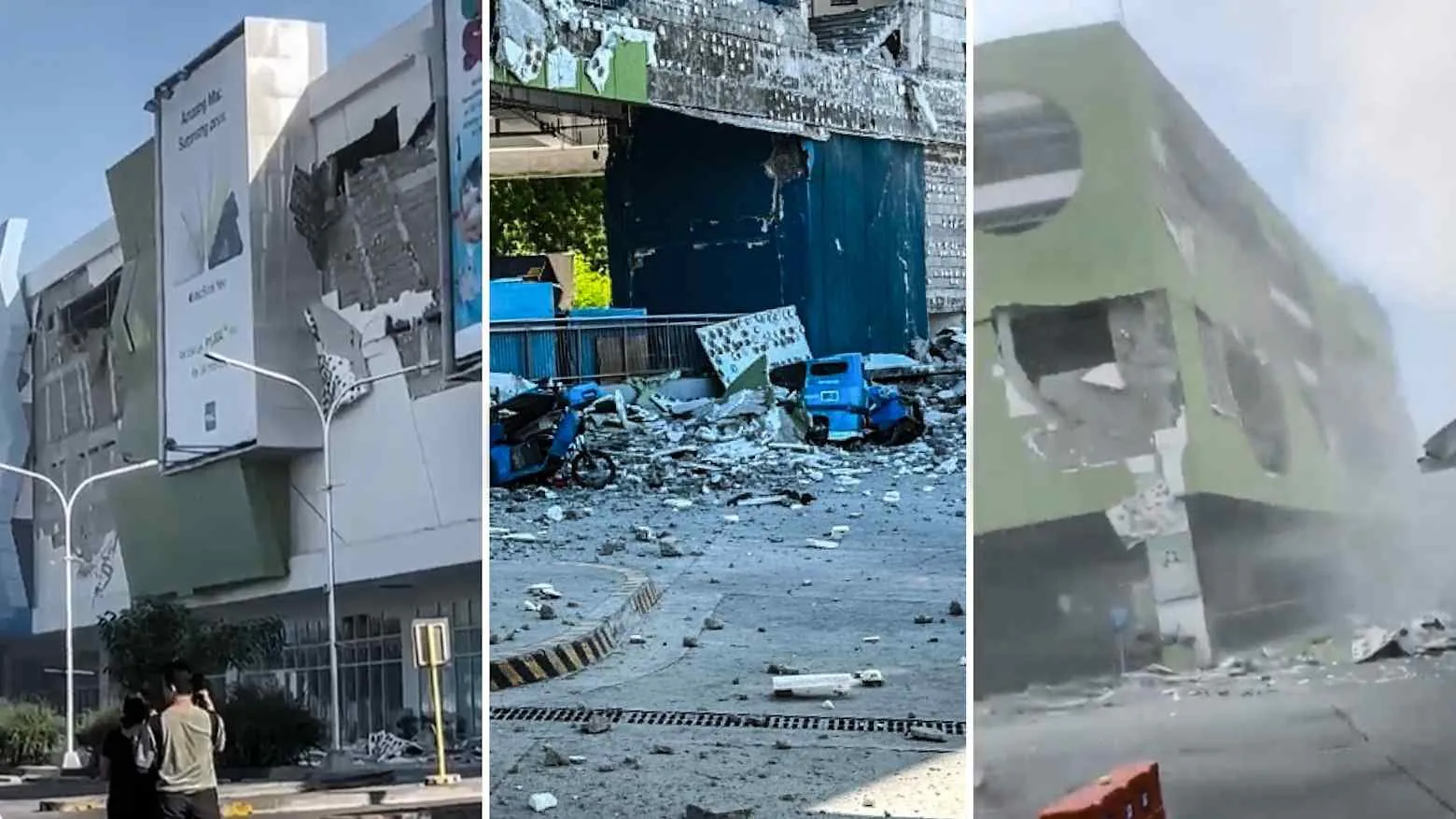
- Dozens of buildings have collapsed, including a Jollibee fast food restaurant, with widespread power outages and evacuations ordered
- The disaster has sparked fears of a humanitarian crisis in the Philippines, one of the world’s most disaster-prone countries
The Philippines was reeling on Monday after a powerful magnitude-7.8 earthquake struck the Mindanao region, killing at least five people and injuring four, with dozens more feared trapped under the rubble of collapsed buildings.
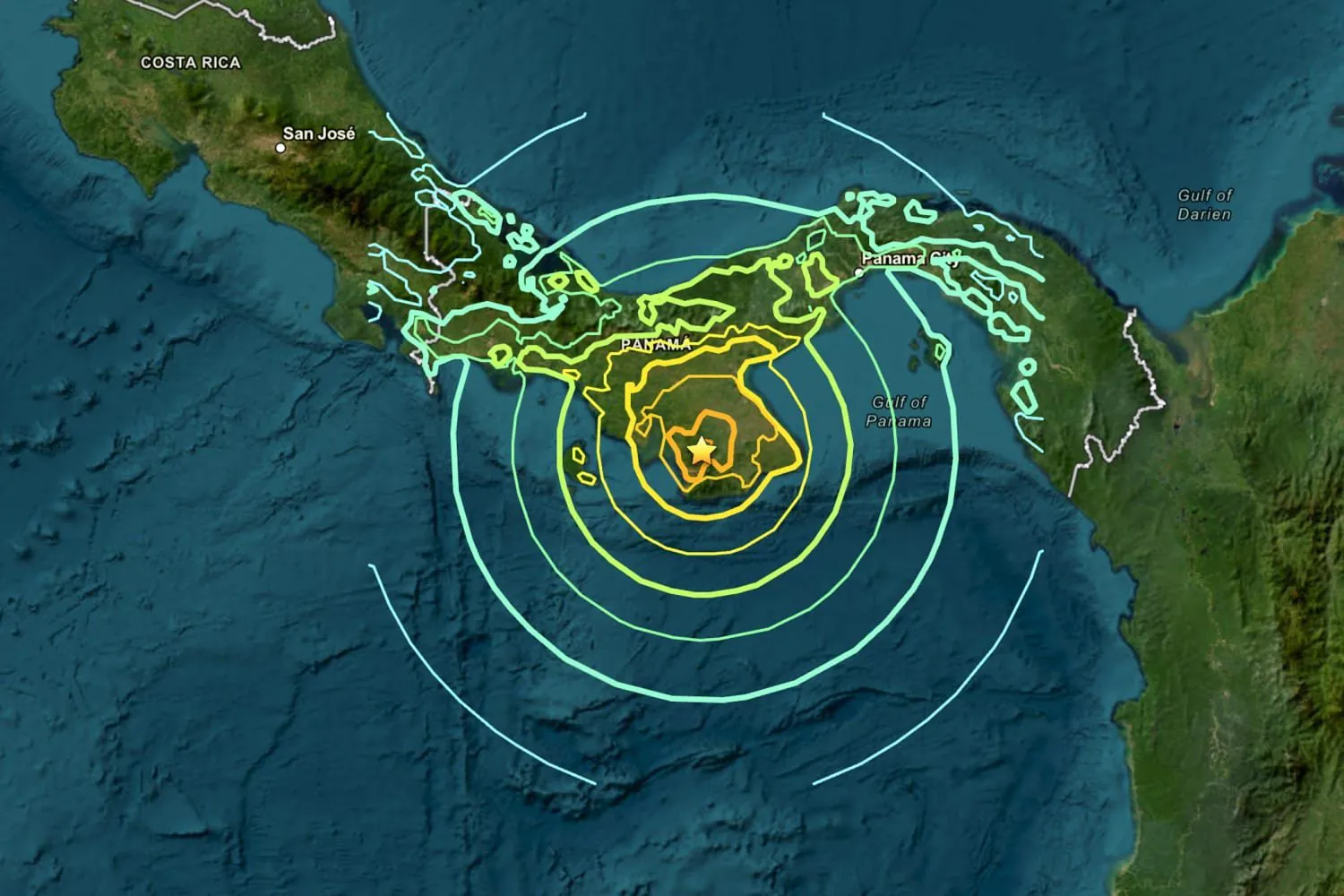
The quake, which had a depth of 10 kilometres, struck at 7:37am local time, with its epicentre located 13 kilometres south-west of General Santos City on the island of Mindanao.
The tremors were felt as far away as north-central Indonesia, where tsunami waves up to 18 centimetres were recorded on some coasts.
As the full extent of the devastation became clear, the Philippine Institute of Volcanology and Seismology warned of the possibility of tsunami waves up to 3 metres hitting some coasts of the Philippines, with waves up to 1 metre possible on some coasts of Indonesia and Malaysia.
In response, the Philippine government ordered evacuations of coastal areas, with residents urged to seek higher ground or move further inland. Indonesia also ordered evacuations of northern areas threatened by tsunami waves, including the North Sulawesi capital, Manado.



Japanese authorities issued a tsunami advisory along swathes of its Pacific coast, with the country’s meteorological agency warning of tsunamis of up to 1 metre projected to hit different regions from 11:30am local time.
Experts warn that the earthquake and tsunami could have far-reaching consequences for the region, exacerbating existing humanitarian crises and putting a strain on already overstretched emergency services.
Security analysts say the disaster highlights the vulnerability of the region to natural disasters, with the Philippines located on the Pacific Ring of Fire, an arc of seismic faults around the ocean.
Law enforcement insiders warn that the disaster could also have significant economic and social consequences, with the Philippines already struggling to recover from the impact of the COVID-19 pandemic.
Analysis: What This Means for Australia
The disaster in the Philippines has significant implications for Australia, with the country’s proximity to the Pacific Ring of Fire making it vulnerable to similar natural disasters.
As a neighbour and close ally of the Philippines, Australia is likely to play a key role in providing humanitarian assistance and support in the aftermath of the disaster.
Industry observers believe that the disaster could also have significant economic implications for Australia, with trade and investment ties between the two countries likely to be impacted.
The disaster could also have significant implications for regional security, with the Philippines a key player in the Association of Southeast Asian Nations (ASEAN).
As the situation continues to unfold, Australia is likely to work closely with regional partners to provide support and assistance to those affected by the disaster.
Residents in the affected areas have been advised to remain vigilant and follow evacuation orders, with the situation likely to remain fluid in the coming days.
The disaster is a stark reminder of the importance of disaster preparedness and response, with governments and emergency services around the world urged to remain vigilant in the face of natural disasters.
natural disasters Pacific Ring of Fire Philippine Institute of Volcanology and Seismology Australian Government Department of Foreign Affairs and Trade