St Basil’s Aged Care Home Inquest: Families Demand Answers as Managers Finally Face Questioning Over 50 Tragic COVID-19 Deaths
- 50 lives lost, countless families shattered: the St Basil’s Home for the Aged inquest resumes after a 4.5-year wait
- Managers Kon Kontis and Vicky Kos to face grilling over ‘disastrous failures’ during the 2020 COVID-19 outbreak
- Grieving families seek closure and accountability as coroner promises to deliver findings after final evidence is heard
- A decade of unanswered questions: what really happened at St Basil’s, and who is responsible for the tragic loss of life?
The wait is almost over for the families of 50 residents who lost their lives at St Basil’s Home for the Aged during the devastating COVID-19 outbreak in 2020.
After a 4.5-year hiatus, the coronial inquest has resumed, with managers Kon Kontis and Vicky Kos finally set to face questioning over the ‘disastrous failures’ that led to the tragic loss of life.
The inquest, which had previously heard damning evidence of the centre’s handling of the pandemic, will see Kontis and Kos take the stand in the week of August 3.
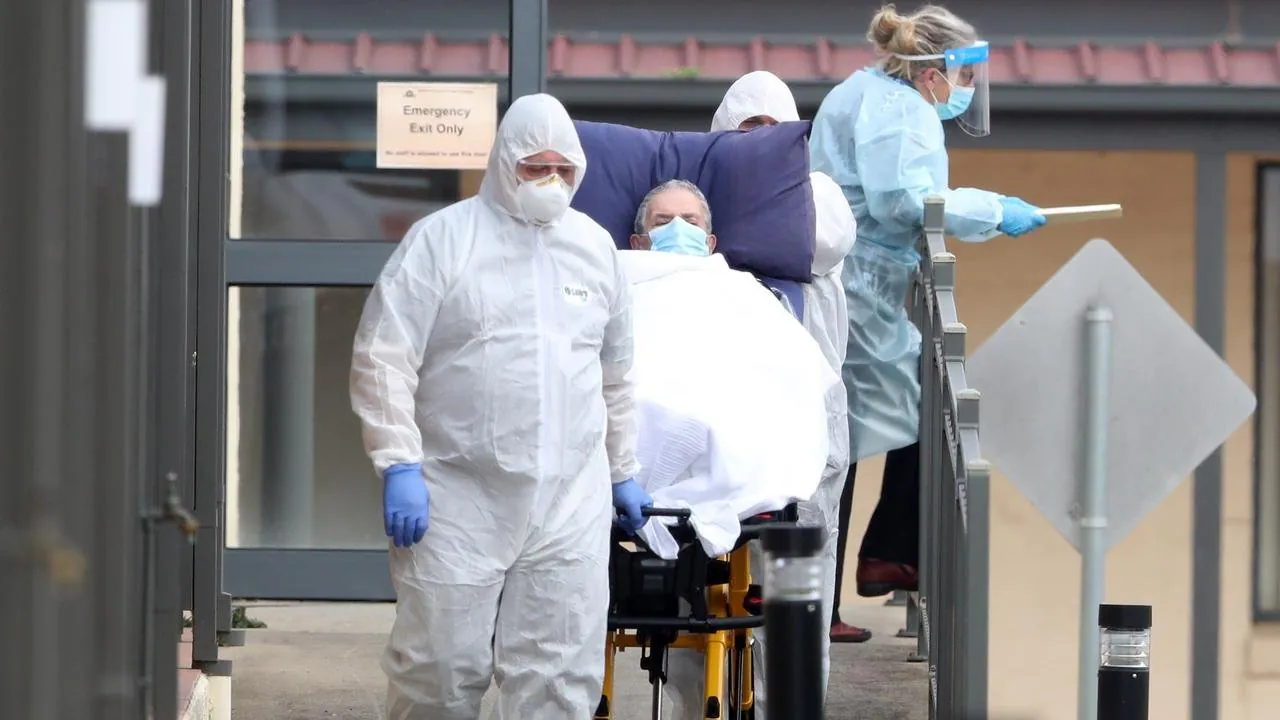
The pair had previously refused to testify, citing fears of self-incrimination, but were ultimately compelled to give evidence by Victoria’s highest court. The delay in the inquest has been agonizing for families, who have been seeking answers and accountability for years.
Spiros Vasilakis, whose mother Maria died at St Basil’s in 2020, spoke outside court, expressing his relief that the inquest was finally resuming. “It’s been a long time coming,” he said.
“Families want to hear from Kontis and Kos about what went wrong.
They’re not going to escape public scrutiny, and that’s at least what I hope comes out of this.”
The inquest has already heard about the catastrophic failures at the Fawkner centre, including inadequate infection control measures and a lack of preparedness for the pandemic.
The centre’s management has been accused of prioritizing profits over people, and the coroner will examine whether these claims are substantiated.
Analysis: What This Means for AustraliaThe St Basil’s inquest is a stark reminder of the devastating consequences of systemic failures in aged care.
The COVID-19 pandemic exposed deep-seated issues in the sector, including inadequate staffing, insufficient resources, and a lack of transparency. As the inquest delivers its findings, it will be crucial to examine the broader implications for Australia’s aged care system.
Security analysts say that the pandemic has highlighted the need for increased investment in aged care infrastructure and staffing. “The St Basil’s inquest is a wake-up call for the government to take action on aged care reform,” said one expert.
“We need to ensure that our most vulnerable citizens are protected and cared for, and that those responsible for their care are held accountable.”
The inquest will also examine the role of regulatory bodies, including the Australian Health Practitioner Regulation Agency (AHPRA) and the Department of Health.
Industry observers believe that these bodies must be held to account for their handling of the pandemic, and that reforms are needed to prevent similar tragedies in the future.
As the inquest draws to a close, families will finally get the answers they have been seeking for so long.
But the real test will be whether the government and regulatory bodies take action to address the systemic failures that led to the tragic loss of life at St Basil’s.
Only then can we hope to prevent similar tragedies from occurring in the future.
The wait is almost over for the families of 50 residents who lost their lives at St Basil’s Home for the Aged during the devastating COVID-19 outbreak in 2020. After a 4.5-year hiatus, the coronial inquest has resumed, with managers Kon Kontis and Vicky Kos finally set to face questioning over the ‘disastrous failures’ that led to the tragic loss of life.
The inquest, which had previously heard damning evidence of the centre’s handling of the pandemic, will see Kontis and Kos take the stand in the week of August 3. The pair had previously refused to testify, citing fears of self-incrimination, but were ultimately compelled to give evidence by Victoria’s highest court.
The delay in the inquest has been agonizing for families, who have been seeking answers and accountability for years. Spiros Vasilakis, whose mother Maria died at St Basil’s in 2020, spoke outside court, expressing his relief that the inquest was finally resuming. “It’s been a long time coming,” he said. “Families want to hear from Kontis and Kos about what went wrong. They’re not going to escape public scrutiny, and that’s at least what I hope comes out of this.”
The inquest has already heard about the catastrophic failures at the Fawkner centre, including inadequate infection control measures and a lack of preparedness for the pandemic. The centre’s management has been accused of prioritizing profits over people, and the coroner will examine whether these claims are substantiated.
The St Basil’s inquest is a stark reminder of the devastating consequences of systemic failures in aged care. The COVID-19 pandemic exposed deep-seated issues in the sector, including inadequate staffing, insufficient resources, and a lack of transparency. As the inquest delivers its findings, it will be crucial to examine the broader implications for Australia’s aged care system.
Security analysts say that the pandemic has highlighted the need for increased investment in aged care infrastructure and staffing. “The St Basil’s inquest is a wake-up call for the government to take action on aged care reform,” said one expert. “We need to ensure that our most vulnerable citizens are protected and cared for, and that those responsible for their care are held accountable.”
The inquest will also examine the role of regulatory bodies, including the Australian Health Practitioner Regulation Agency (AHPRA) and the Department of Health. Industry observers believe that these bodies must be held to account for their handling of the pandemic, and that reforms are needed to prevent similar tragedies in the future.
As the inquest draws to a close, families will finally get the answers they have been seeking for so long. But the real test will be whether the government and regulatory bodies take action to address the systemic failures that led to the tragic loss of life at St Basil’s. Only then can we hope to prevent similar tragedies from occurring in the future.