Victoria’s $28 Million Road Safety Gamble: AI Cameras Failing to Reduce Accidents, Auditor-General Report Reveals
- A scathing report by the Victorian Auditor-General’s Office has found the state’s Distracted Driver and Seatbelt Detection Program using AI cameras has failed to reduce road accidents and fatalities.
- The program, launched in 2023, has been marred by poor record-keeping, inaccurate data collection, and privacy breaches, raising serious concerns about its effectiveness.
- Despite a significant investment of $28.3 million in ‘all-in-one’ next-generation cameras, the number of deaths on Victorian roads has increased by 55.6 per cent in April 2026.
- The report’s findings have sparked calls for a major overhaul of the program, with experts warning that the current approach is not only ineffective but also poses significant risks to road users.
The Victorian Auditor-General’s Office (VAGO) report has delivered a damning verdict on the state’s Distracted Driver and Seatbelt Detection Program, which was designed to raise awareness of the risks and laws around distracted driving and not wearing a seatbelt.
The program, launched in 2023, was intended to increase enforcement and reduce behaviours that can increase the risk of road accidents, serious injuries, and death. However, the report found that the program’s effectiveness in achieving these goals is unclear.
The report’s analysis of 308 camera sites, 160,754 camera hours, and 188,493 infringements for mobile phone use and seatbelts not being worn between July 2023 and September 2025 revealed a disturbing lack of evidence to support the program’s benefits.
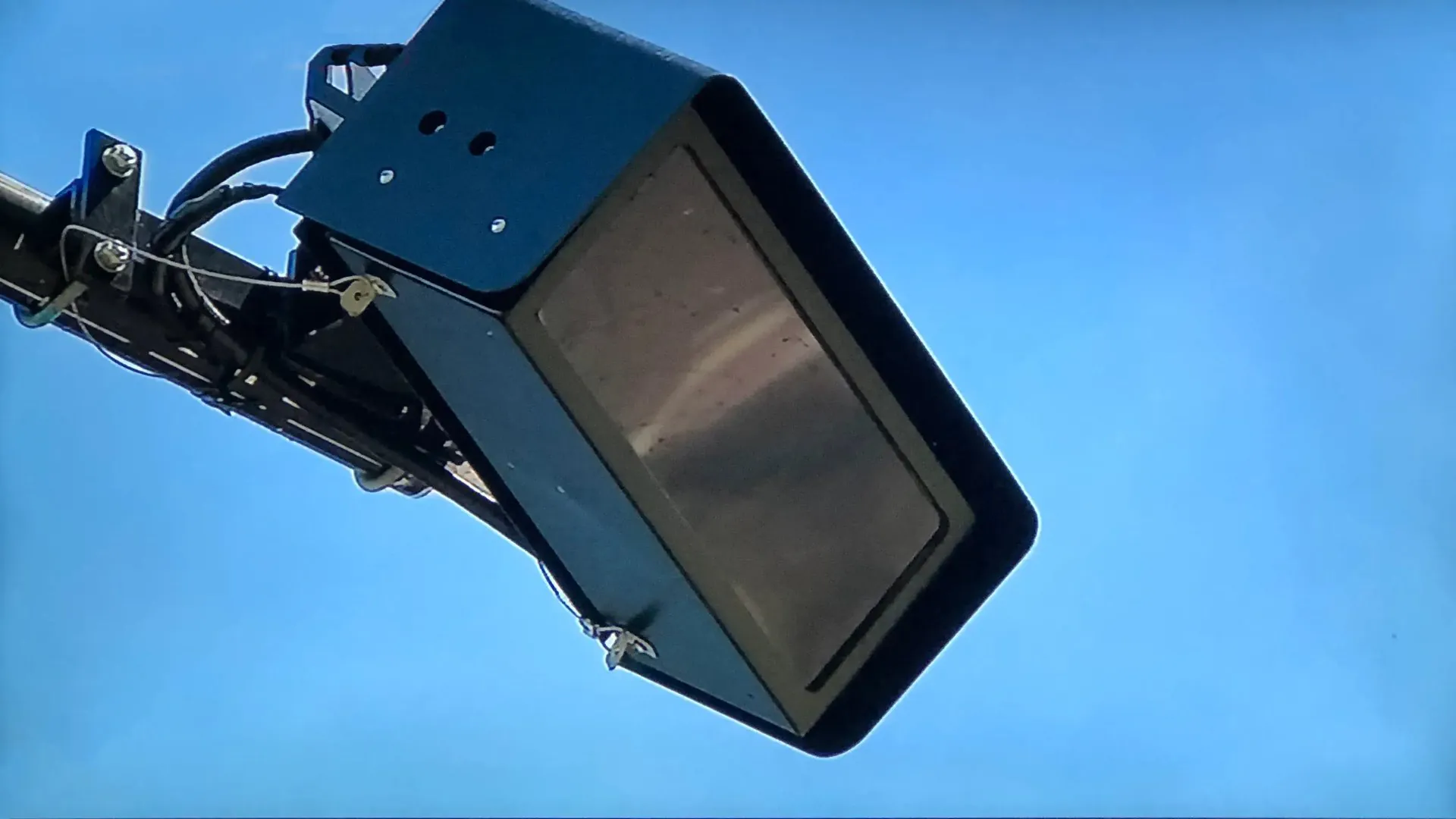
The Department of Justice and Community Safety, responsible for delivering the program, was found to have failed to gather data on the number of accidents, serious injuries, and deaths linked to mobile devices and seatbelts before the program started.
This makes it impossible to assess the program’s impact on road safety.
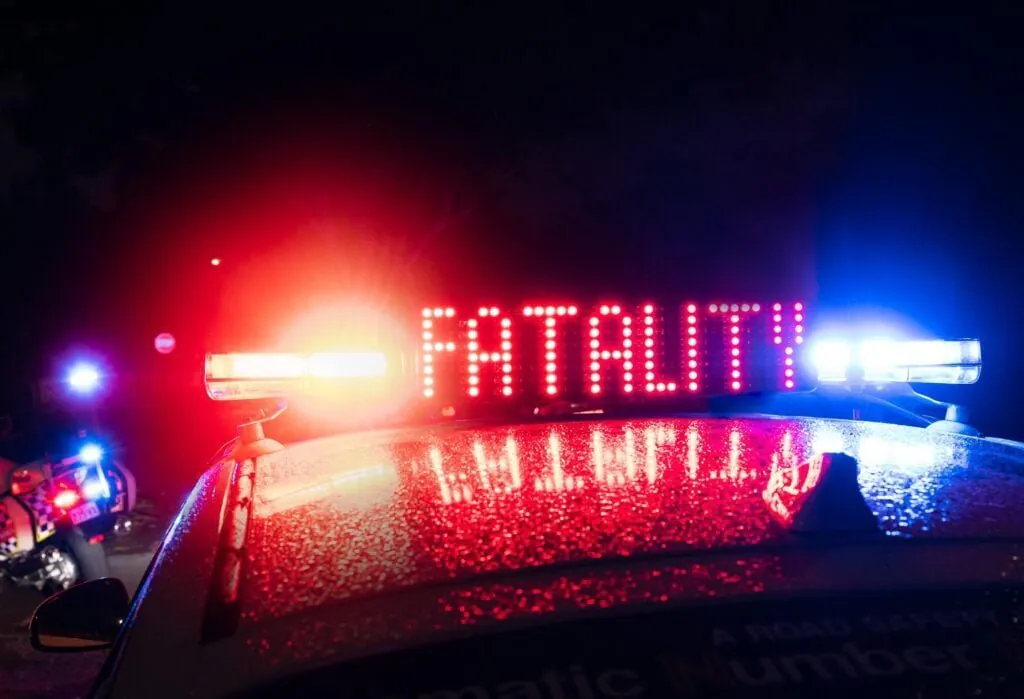



The report also highlighted significant gaps in the administration of the program, including poor record-keeping and inconsistent decision-making processes for camera site selection. Victoria Police’s process for identifying camera sites was found to be “not well designed” and often lacked evidence-based decision-making.
The report recommended that police review their criteria for selecting sites and improve record-keeping to ensure evidence-based results.
Analysis: What This Means for Australia
The failure of Victoria’s Distracted Driver and Seatbelt Detection Program has significant implications for road safety in Australia.
With the number of deaths on Victorian roads increasing by 55.6 per cent in April 2026, it is clear that the current approach is not working.
The program’s reliance on AI cameras and self-reporting systems has raised concerns about privacy and data accuracy. The lack of evidence-based decision-making and poor record-keeping also pose significant risks to road users.
Security analysts say that the program’s failure highlights the need for a more comprehensive approach to road safety. “The use of AI cameras is just one part of the solution,” said one expert.
“We need to address the root causes of distracted driving and seatbelt non-compliance, including education, enforcement, and infrastructure design.”
Law enforcement insiders warn that the program’s failure also has significant implications for policing and public safety.
“The lack of evidence-based decision-making and poor record-keeping undermines the integrity of the program and erodes public trust in law enforcement,” said one insider.
Industry observers believe that the program’s failure is a wake-up call for governments and road safety authorities. “We need to take a more holistic approach to road safety, one that includes education, engineering, and enforcement,” said one observer.
“We can’t just rely on technology to solve the problem.”
As Victoria’s road toll continues to rise, it is clear that a new approach is needed.
The state’s $1.1 billion Road Safety Strategy 2021–2030 aims to halve the number of deaths on Victoria’s roads by 2030 and eliminate all deaths by 2050.
However, the latest data suggests that the state is falling short of this goal.
It is time for a rethink on road safety, one that prioritizes evidence-based decision-making, comprehensive education and enforcement strategies, and a commitment to reducing the number of deaths and serious injuries on our roads.