
BREAKING: ‘Critical Step’ Towards Peace as US and Iran Agree to Historic Ceasefire Deal
- A peace deal between the United States and Iran has been reached, with a ceasefire now in place and the Strait of Hormuz set to reopen.
- The agreement, brokered by Pakistan, marks a significant breakthrough in the long-running conflict and has been welcomed by world leaders.
- The deal paves the way for the easing of sanctions on Iran and the removal of the US naval blockade, allowing the country to sell more of its oil and strengthen its economy.
- But concerns remain over Iran’s nuclear program and regional destabilisation, with world leaders calling for swift and full implementation of the agreement.
The United States and Iran have reached a historic agreement to end the war, with a ceasefire now in place and the Strait of Hormuz set to reopen.
The deal, brokered by Pakistan, marks a significant breakthrough in the long-running conflict and has been welcomed by world leaders.
The agreement was announced by Pakistan’s Prime Minister Shehbaz Sharif on social media, who said that the US and Iran would be signing a deal on Friday, June 19, in Switzerland.
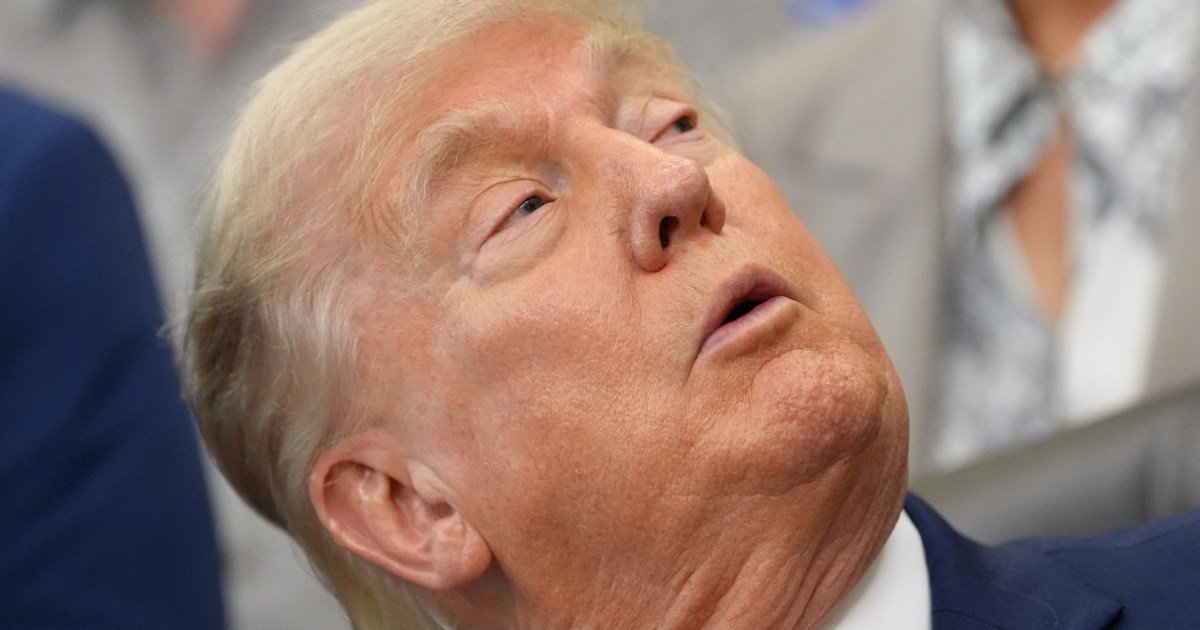
US President Donald Trump confirmed the announcement, posting on Truth Social that the deal with Iran “is now complete”.
The US had previously said it would ease its blockade of Iranian ports as the strait reopens, and would agree to relax sanctions to allow Iran to sell more of its oil and strengthen its battered economy.
Iranian state TV showed a banner asserting: “US was forced to sign an agreement to end the war”.
Iran’s Deputy Foreign Minister Kazem Gharibabadi confirmed on local Iranian state TV, Tasnim news, that a permanent end to the war will begin tonight. Gharibabadi said negotiations for the peace deal will be held during a 60-day period.
“This memorandum of understanding does not mean trusting the enemy,” he said. “We will monitor the implementation of US commitments.”
Australia’s Prime Minister Anthony Albanese and Foreign Minister Penny Wong have released a joint statement welcoming the peace deal.
“We are pleased the agreement between the US and Iran includes steps towards reopening the Strait of Hormuz and the restoration of freedom of navigation,” they said.
“We encourage all parties to use this opportunity to pursue a durable and lasting peace through dialogue and diplomacy. Iran must address longstanding concerns about its nuclear program and the threat it poses to international security.”
Analysis: What This Means for Australia
The peace deal between the US and Iran has significant implications for Australia, particularly in terms of regional security and trade.
The reopening of the Strait of Hormuz will have a major impact on global oil prices and could lead to increased economic activity in the region.
However, concerns remain over Iran’s nuclear program and regional destabilisation.
Australian officials will be closely monitoring the situation and working with international partners to ensure that the agreement is fully implemented and that Iran’s commitments are upheld.
“Security analysts say that the peace deal is a critical step towards reducing tensions in the region, but it’s only the first step,” said one expert.
“The real challenge will be in ensuring that the agreement is implemented and that Iran’s nuclear program is brought under control.”
Law enforcement insiders warn that the deal could also have implications for counter-terrorism efforts in the region. “The agreement could potentially embolden extremist groups in the region, and Australian authorities will need to be vigilant in monitoring the situation,” said one source.
Industry observers believe that the deal could also have a positive impact on trade and economic activity in the region.
“The reopening of the Strait of Hormuz will be a major boost for global oil prices and could lead to increased economic activity in the region,” said one analyst.
As the world waits with bated breath to see if the peace deal will hold, one thing is clear: the agreement marks a significant breakthrough in the long-running conflict and has the potential to bring stability to the region.
But only time will tell if the deal will be fully implemented and if Iran’s commitments will be upheld.