Former Rugby Star Unleashes Scathing Attack on ‘Selfish’ Investors and Politicians Over Tax Changes as Birthrate Plummets and Young Australians are Locked Out of Home Ownership
- A former State of Origin player has lashed out at wealthy Australians complaining about tax changes, saying they’re being “bloody selfish” and neglecting the needs of younger generations.
- Comedian Dave Hughes has also spoken out, claiming the government’s capital gains tax overhaul has “tipped Australia over the edge” and left people feeling betrayed.
- The Albanese government is considering exemptions to the tax changes, which have sparked widespread outrage among investors and business groups.
- Experts warn that the tax changes could have far-reaching consequences for Australia’s economy and housing market, with many young people struggling to buy their first home.
Former rugby league star Martin ‘Munster’ Bella has unleashed a scathing attack on “selfish” investors and politicians over the government’s tax changes, saying they’re neglecting the needs of younger generations.
In a passionate rant on his Facebook page, Bella called out comedian Dave Hughes and politician Angus Taylor for their comments on the issue.
Bella’s outburst comes as the Albanese government faces mounting criticism over its capital gains tax overhaul, which has sparked widespread outrage among investors and business groups.

The changes, which were announced in the recent budget, aim to limit the amount of tax deductions that investors can claim on rental properties. However, many have argued that the changes will unfairly penalize mum-and-dad investors and small business owners.
Dave Hughes, a long-time Labor supporter, has also spoken out against the tax changes, claiming they’ve “tipped Australia over the edge”. In an interview with news.com.au, Hughes said the government’s decision to introduce the changes without warning was a “betrayal” of the public’s trust.
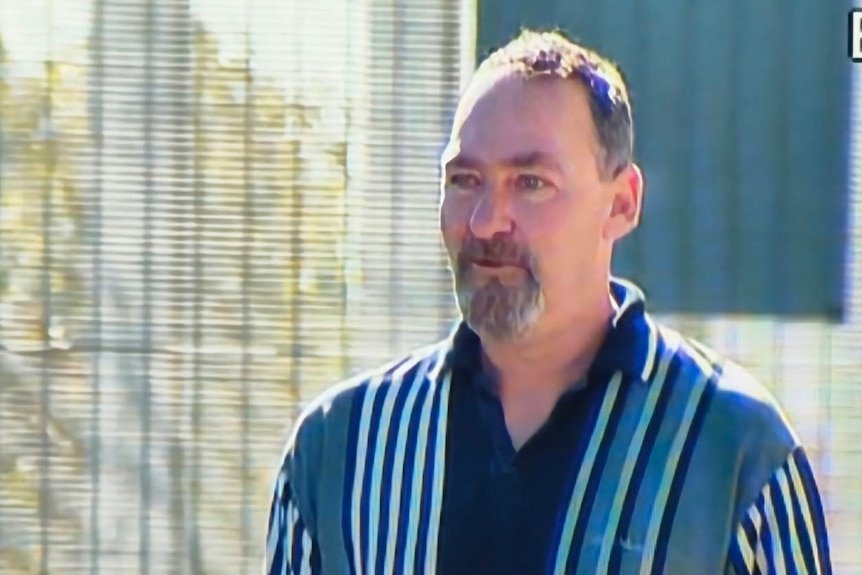


“The budget has tripped people’s wires – it’s tripped my wires,” he said. “You can’t bald-faced lie before an election.
Chalmers and Albo were asked 100 times, they looked into the camera and said no.”
The Albanese government has signaled that it may consider exemptions to the tax changes, which could include extending concessions to small business owners and start-ups.
Treasurer Jim Chalmers has described the push for greater exemptions as “legitimate” and has not ruled out lifting the thresholds for CGT concessions to companies with an annual turnover of up to $10 million.
However, not everyone is convinced that the government’s changes are a bad thing.
Graeme Samuel, the former chair of the Australian Competition and Consumer Commission, has argued that the tax changes are necessary to address the growing wealth gap in Australia.
“One thing that I have learned over all these 35 years is this is that the measure of the public interest in relation to reform is generally in inverse proportion the noise that is made by private vested interests,” he said.
Analysis: What This Means for Australia
The government’s tax changes have sparked a heated debate about the future of Australia’s economy and housing market.
While some argue that the changes are necessary to address the growing wealth gap, others claim that they will unfairly penalize mum-and-dad investors and small business owners.
As the birthrate continues to plummet and young Australians struggle to buy their first home, it’s clear that the government’s changes have far-reaching consequences for the country’s future.
Security analysts say that the tax changes could have a significant impact on Australia’s national security, as the country’s economic stability is closely tied to its ability to attract foreign investment.
“If the government’s changes deter investors from putting their money into Australia, it could have serious consequences for our economy and our national security,” one analyst warned.
Law enforcement insiders also warn that the changes could lead to an increase in money laundering and other financial crimes, as individuals seek to avoid paying tax.
Industry observers believe that the government’s changes will lead to a significant shift in the housing market, with many investors opting to sell their properties rather than face the new tax laws.
“The changes will lead to a flood of properties hitting the market, which could lead to a drop in housing prices,” one observer said.
However, others argue that the changes will lead to a more sustainable housing market, with fewer investors driving up prices and making it harder for first-home buyers to enter the market.
As the debate over the government’s tax changes continues to rage, it’s clear that the consequences of the changes will be felt for years to come.
With the birthrate plummeting and young Australians struggling to buy their first home, it’s imperative that the government gets the balance right and ensures that its changes do not unfairly penalize those who are already struggling to make ends meet.