
El Niño’s Fury: Australia Braces for Record Heat and Drought as Climate Change Throws Predictions into Chaos
- Australia is on high alert as a potentially record-breaking El Niño event takes hold in the Pacific, threatening to bring hotter and drier conditions to the country.
- Scientists warn that climate change is making it harder to predict the impacts of El Niño, which could lead to more intense heatwaves, droughts, and bushfires.
- The Bureau of Meteorology has officially declared an El Niño event, marking the first time in almost three years, with modelling suggesting it could become the strongest on record.
- Experts say the country’s weather is also being shaped by other climate factors, making outcomes increasingly unpredictable.
Australia is bracing for a potentially record-breaking El Niño event that could bring hotter and drier conditions to the country, but scientists warn that climate change is making it harder to predict the impacts of this complex weather pattern.
The Bureau of Meteorology has officially declared an El Niño event, marking the first time in almost three years, with modelling suggesting it could become the strongest on record.
El Niño, which refers to an extended period of warmer-than-usual water in the central and eastern Pacific, has been known to bring droughts and dust storms to Australia in the past.
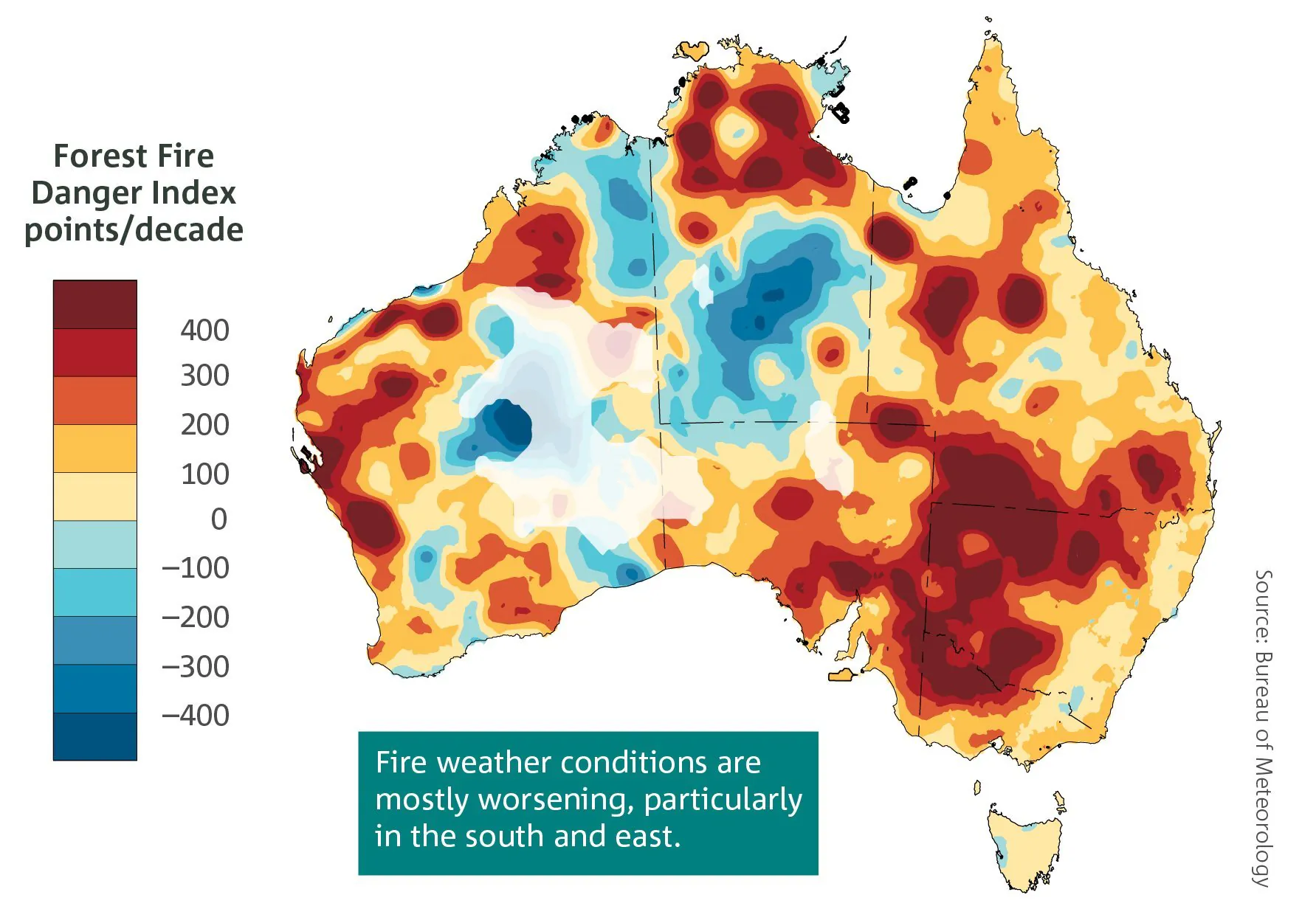
But with global temperatures increasing by about 1.5 degrees Celsius, the risks of heat and fire weather, drought, and marine heat waves and coral bleaching are now even higher.
Monash University adjunct professor and climate councillor Andrew Watkins says that El Niño adds to these risks, making it even more challenging to predict the effects of this weather pattern.
According to UNSW climate scientist Andrea Taschetto, research suggests that El Niño and La Niña events could become more regular and intense in the future, but the data record is short.
“The fact that we have a warmer atmosphere with more moisture in the atmosphere, that means that the impact of El Niño can be different than it has been in the past,” she says.
Climate models project that there will be an intensification of El Niño and La Niña in the future, which could have a stronger impact on Australia.
El Niño typically brings drier conditions to central and eastern Australia in winter and spring, with below median rainfall still tipped from July to September as the event continues to develop in the Pacific Ocean.
The Bureau of Meteorology’s long-range forecast suggests that rainfall is likely to be below average across parts of southern and eastern Australia, with above-average overnight temperatures and higher-than-usual daytime temperatures expected across the country.
But experts say that the strength of El Niño is not always proportional to its impacts.
University of Queensland emeritus professor of climate science Roger Stone notes that prolonged droughts, such as those between 1991 and 1995 as well as the Millennium Drought, were historically linked to moderate El Niño events.
“The way the Pacific behaves and the way the atmosphere behaves, it doesn’t necessarily mean the warmer the sea temperatures are in the central Pacific, the worse the droughts are in Australia,” he says.
Analysis: What This Means for Australia
The implications of this El Niño event for Australia are far-reaching.
With climate change making it harder to predict the impacts of this weather pattern, the country is facing a heightened risk of heatwaves, droughts, and bushfires.
The Bureau of Meteorology’s long-range forecast suggests that rainfall is likely to be below average across parts of southern and eastern Australia, which could exacerbate drought conditions and put a strain on the country’s agricultural sector.
Law enforcement insiders warn that the increased risk of bushfires and heatwaves could put a strain on emergency services, while industry observers believe that the drought could have a significant impact on the country’s economy.
“The drought could have a devastating impact on the agricultural sector, which could have flow-on effects for the entire economy,” says one expert.
Security analysts say that the unpredictability of El Niño’s impacts could also have implications for national security, particularly in terms of disaster response and management.
“The increased risk of natural disasters could put a strain on the country’s emergency services, which could have implications for national security,” says one analyst.
As Australia braces for the impacts of this El Niño event, it is clear that the country is facing a complex and unpredictable weather pattern that could have far-reaching consequences.
With climate change making it harder to predict the effects of El Niño, it is more important than ever that the country is prepared for the worst.