‘Racism Affected the Investigation’: Shocking Twist in 38-Year-Old Cold Case of Indigenous Teenager Found Dead on Train Tracks
- A coroner’s findings have revealed that racism may have tainted the investigation into the death of 17-year-old Mark Haines, an Indigenous teenager found on train tracks in 1988.
- The NSW Deputy State Coroner, Harriet Grahame, has suggested that the case would have been handled differently if the victim was white.
- The coroner has recommended that the case be referred to the NSW Police Unsolved Homicide Unit for further investigation.
- Mark’s family has maintained that he did not take his own life and believes that someone in the community has information about his death.
The body of Mark Haines was found on a desolate stretch of train tracks near Tamworth in 1988, sparking a mystery that has haunted his family for almost four decades.
The initial investigation concluded that the 17-year-old had taken his own life, but his family has always disputed this finding. Today, a coroner’s inquest has shed new light on the case, suggesting that racism may have played a role in the botched investigation.
NSW Deputy State Coroner Harriet Grahame delivered her findings, stating that she did not believe Mark’s death was a suicide. “I do not know the circumstances that led to Mark being on the tracks, but I can rule out suicide,” she said.
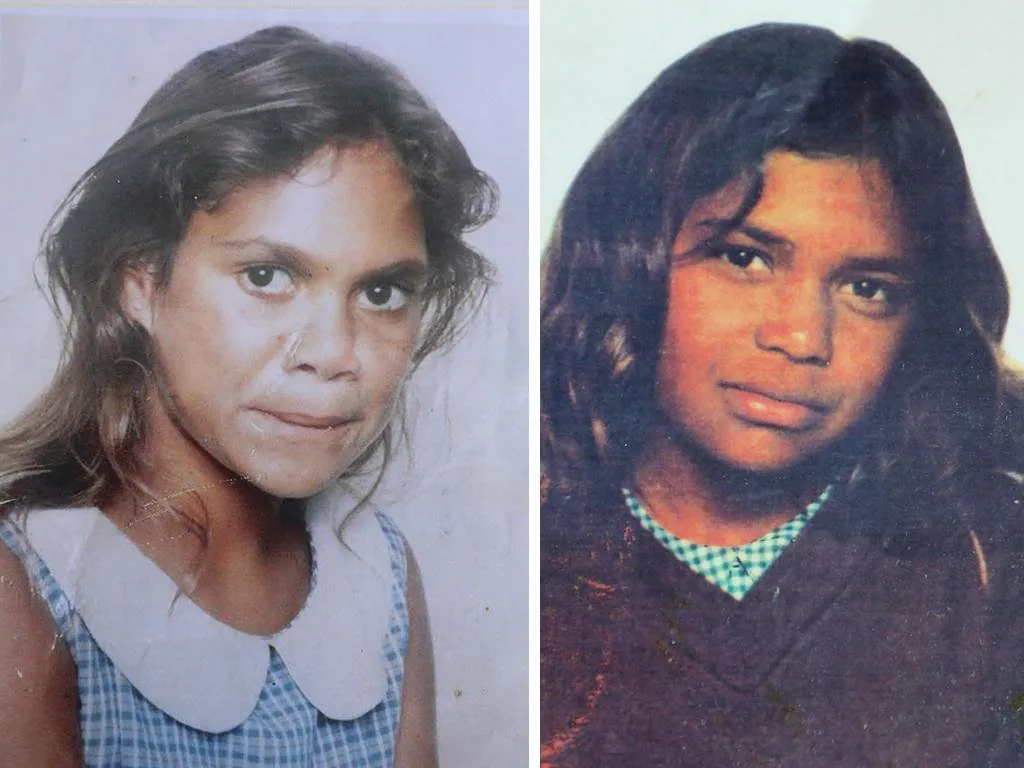
The coroner’s ruling has given Mark’s family a glimmer of hope that they may finally uncover the truth about his death.
Mark’s family has always maintained that he did not lie down on the tracks and wait to die, but was instead placed there. His brother, Ron Haines, told the Tamworth Coroners Court that the family’s conviction had never wavered.
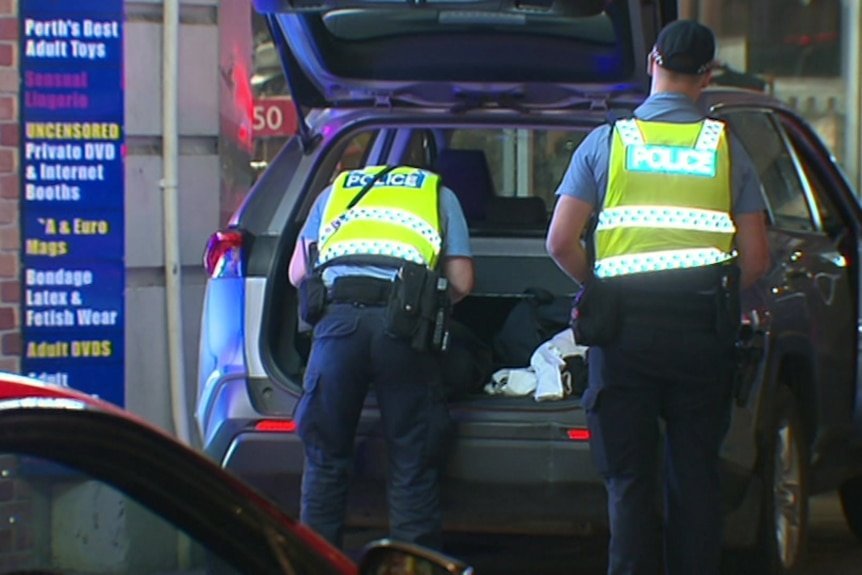
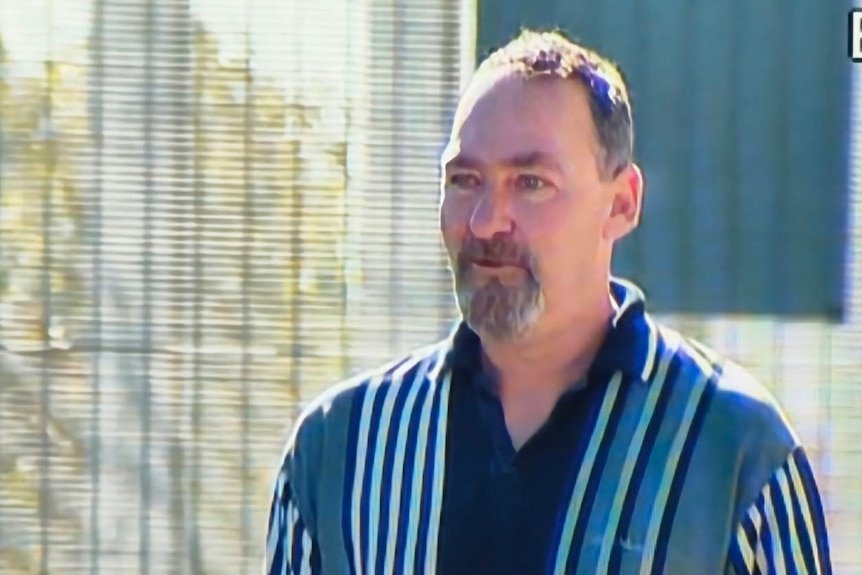

“We do not believe Mark put himself on the tracks intentionally,” he said. “We believe if he was a white boy, this would have been investigated more thoroughly.”
The inquest, which began in April 2024 and concluded in October 2025, heard evidence from various witnesses, including Mark’s friends and family members. However, it was the testimony of Glen Mannion, one of Mark’s closest friends, that raised eyebrows.
Coroner Grahame noted that Mannion’s behavior was “unusual” and that he doubted Mannion had been fully open with the court.
Despite the coroner’s findings, the circumstances surrounding Mark’s death remain a mystery.
Coroner Grahame acknowledged that it was “highly likely that people in the community have knowledge of this case and have not shared it with police.” The recommendation to refer the case to the NSW Police Unsolved Homicide Unit has given Mark’s family hope that new leads may emerge.
Analysis: What This Means for Australia
The case highlights the need for greater scrutiny of investigations into Indigenous deaths in custody and the importance of addressing systemic racism within law enforcement agencies.
Security analysts say that the case is a stark reminder of the need for greater cultural awareness and sensitivity in policing. “The fact that the coroner has suggested that racism may have affected the investigation is a damning indictment of the system,” said one expert.
“It’s a wake-up call for law enforcement agencies to take a hard look at their practices and procedures.”
Industry observers believe that the case also has implications for community trust in the police. “When families feel that the system has failed them, it erodes trust and creates a sense of disillusionment,” said one commentator.
“It’s essential that law enforcement agencies are transparent and accountable in their investigations to prevent similar cases from occurring in the future.”
As the case is referred to the NSW Police Unsolved Homicide Unit, Mark’s family remains hopeful that they will finally get the answers they have been seeking for so long.
The case serves as a reminder of the importance of perseverance and the need for justice to be served, no matter how long it takes.