NT Government Vows to Extend ‘Lifesaving’ Town Camp Alcohol Bans as Nation Reels from Shocking Murder of Kumanjayi Little Baby
- The Northern Territory government has announced plans to extend town camp alcohol prohibition laws beyond their January 2027 expiry date.
- The decision comes as town camp safety is under the national spotlight following the alleged abduction and murder of five-year-old Kumanjayi Little Baby in April.
- The extension has been welcomed by the NT’s Aboriginal-controlled health sector, which has called for clarity on the future of the restrictions.
- The move is part of the government’s plan to stem alcohol-related violence and antisocial behaviour in the 43 town camps across the Northern Territory.
The Northern Territory government’s decision to extend town camp alcohol bans has been met with relief and support from the Aboriginal-controlled health sector, which has long advocated for the continuation of the restrictions.
The move comes as the nation grapples with the shocking murder of Kumanjayi Little Baby, a five-year-old girl who was allegedly abducted from an Alice Springs town camp in April.
The NT government’s plan to extend the bans is part of its broader strategy to address the scourge of alcohol-related violence and antisocial behaviour in the 43 town camps across the territory.
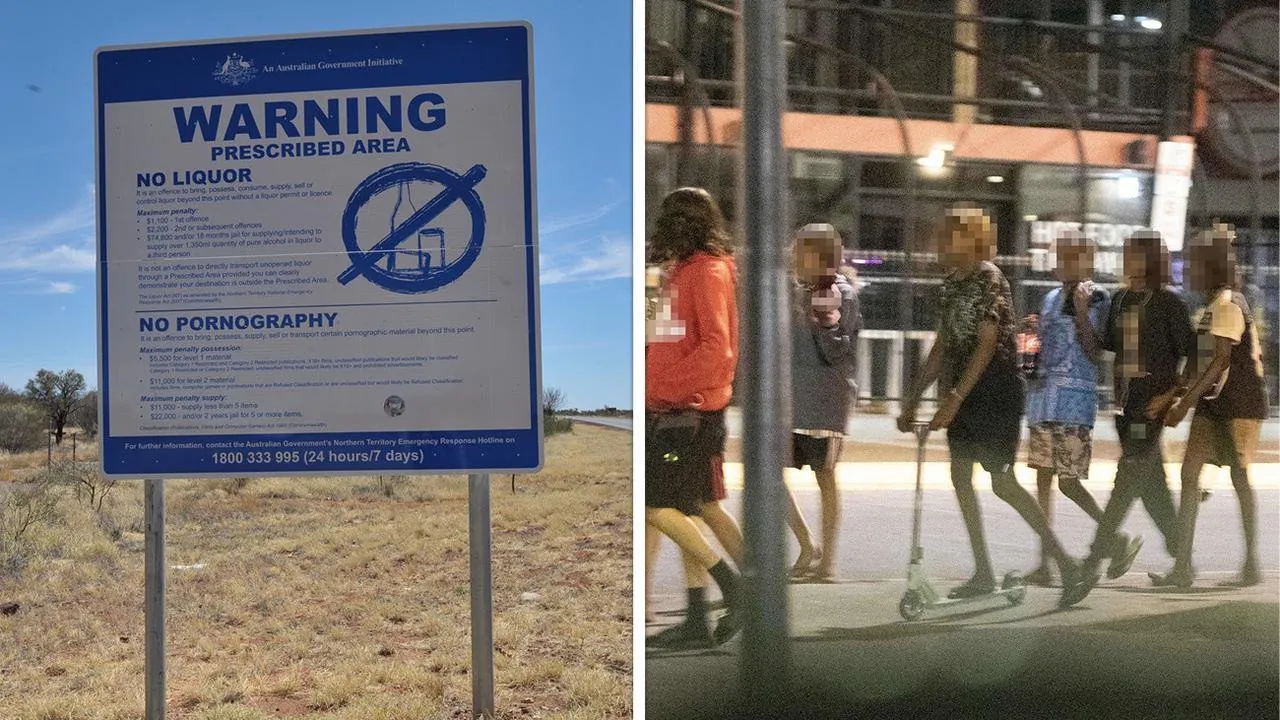
Aboriginal Affairs Minister Steve Edgington said the government was committed to ensuring that the “rivers of grog” did not flow back into town camps, citing the devastating impact of alcohol-fuelled violence on Territory families and communities.
The current alcohol bans, which were reinstated by the previous Labor NT government in 2022 after a sharp rise in alcohol-related crime, are due to expire in January 2027.




However, the Country Liberal Party (CLP) government is working to introduce legislation to parliament before the end of 2026 to extend the restrictions.
The exact duration of the extension is yet to be confirmed, but Edgington said the government was committed to ensuring that the bans did not expire.
The Aboriginal Medical Services Alliance NT (AMSANT) chief executive Donna Ah Chee welcomed the decision, saying that the sector had seen the positive impact of the alcohol bans in reducing harm and supporting safer, stronger communities.
“We have seen what happens when effective protections are removed, and we have also seen the positive impact they can have when they are in place,” she said.
However, not everyone is supportive of the extension.
Walter Shaw, chief executive of Tangentyere Council, which services the town camps, has previously voiced his support for the abolition of the “punitive, race-based” bans.
While he acknowledged that alcohol was a widespread issue throughout the Northern Territory, he said it was a policing matter and that the council would be open to taking on more responsibility in helping to stop alcohol flowing into town camps in the future.
Analysis: What This Means for Australia
The extension of the town camp alcohol bans has significant implications for Australia’s approach to addressing alcohol-related violence and antisocial behaviour in Indigenous communities. The decision highlights the need for a more nuanced and multifaceted approach to addressing the complex issues underlying these problems.
By extending the bans, the NT government is acknowledging the devastating impact of alcohol on Territory families and communities and taking a proactive step to address the issue.
However, the decision also raises questions about the long-term sustainability of the bans and the need for more comprehensive solutions to address the underlying causes of alcohol-related violence.
Security analysts say that the extension of the bans is a positive step, but that it must be accompanied by increased investment in community-based programs and services to address the root causes of the problem.
Law enforcement insiders warn that the bans will only be effective if they are accompanied by increased policing and enforcement efforts.
Industry observers believe that the extension of the bans will have a positive impact on the Territory’s economy, as it will help to reduce the significant costs associated with alcohol-related crime and violence.
As the nation continues to grapple with the shocking murder of Kumanjayi Little Baby, the extension of the town camp alcohol bans is a timely reminder of the need for a more comprehensive and coordinated approach to addressing the complex issues facing Indigenous communities.
By taking a proactive step to address alcohol-related violence, the NT government is demonstrating its commitment to supporting safer, stronger communities and reducing the devastating impact of alcohol on Territory families.