Fuel Excise Extension Looms: Will Australia Dodge the Bullet as Global Oil Prices Plummet?
- Australia teeters on the brink of a fuel excise extension as Prime Minister Anthony Albanese weighs his options amidst global market fluctuations.
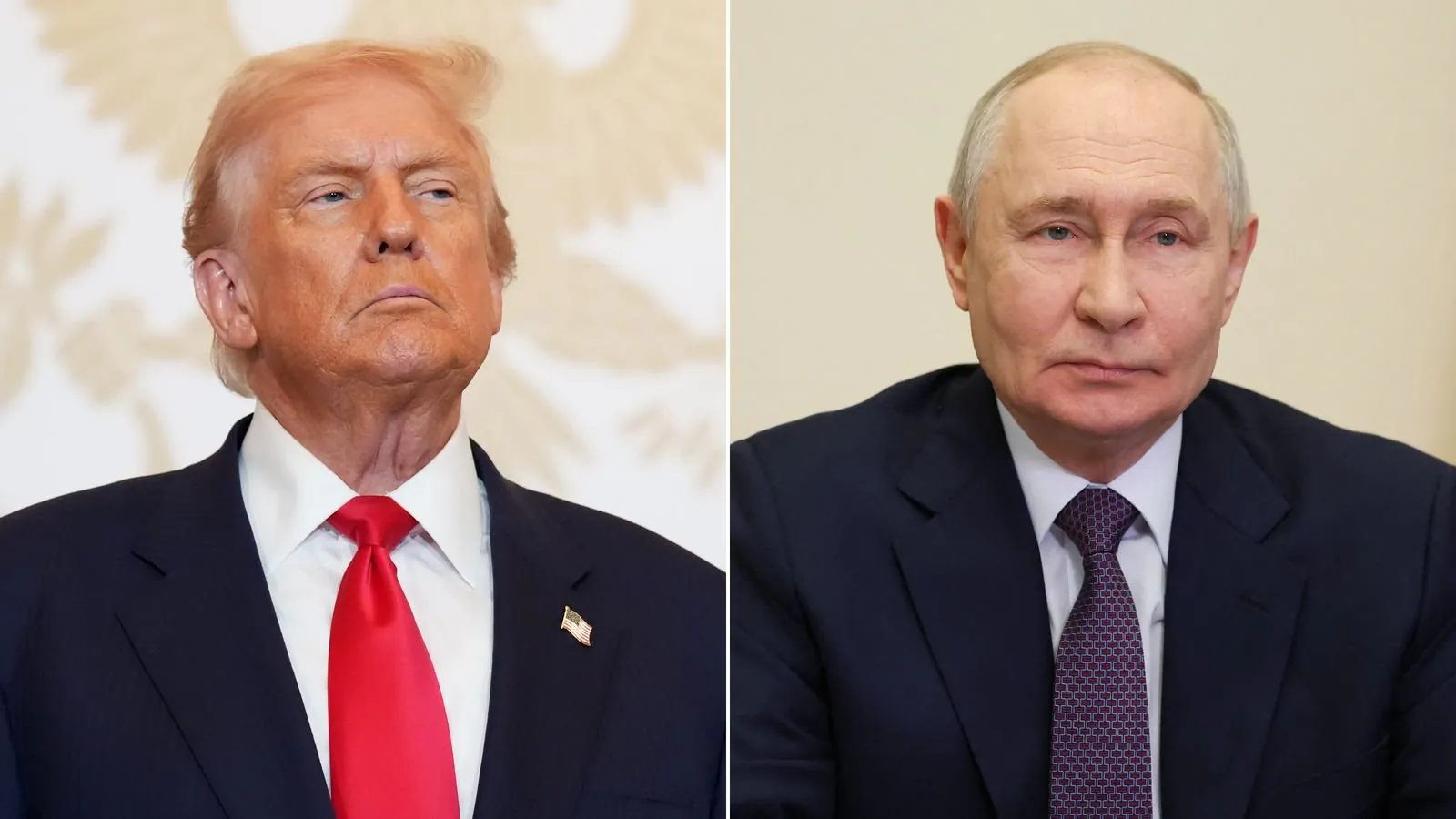
- A surprise US-Iran deal has sent oil prices tumbling, easing concerns over fuel supplies, but the government remains cautious.
- As the nation’s fuel stockpiles reach a two-year high, Energy Minister Chris Bowen assures Australians that the country is “resilient and prepared” for the challenges ahead.
- But with global uncertainty still looming, the government’s decision on the fuel excise will have far-reaching implications for Australian motorists and the economy.
As the world breathes a collective sigh of relief following the US-Iran deal, Australia’s fuel excise hangs in the balance. Prime Minister Anthony Albanese is set to make a decision on the tax’s future, and the nation is on high alert.
Introduced in April, the fuel excise was a desperate bid to curb the nation’s fuel crisis, sparked by the conflict in the Middle East. But with oil prices plummeting, the question on everyone’s lips is: will the excise be extended?
According to Prime Minister Albanese, the government’s decision will be made in the coming days. In the meantime, he’s urging Australians to remain calm and avoid stockpiling fuel.
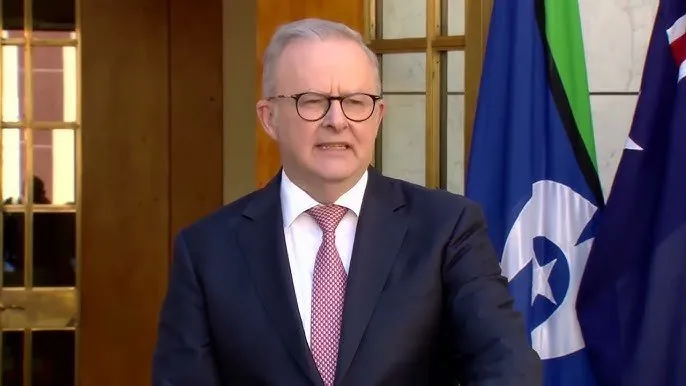
“Just before Easter, we were seeing a spike in demand that was causing real pressure and shortages, particularly in some regional areas,” he explained. But with over 50 million litres of diesel en route to Australia, the Prime Minister is confident that the nation’s fuel supplies are secure.
Energy Minister Chris Bowen echoed the Prime Minister’s sentiments, revealing that Australia’s fuel stockpiles have reached a two-year high.


With 44 days’ worth of petrol, 39 days’ worth of diesel, and 32 days’ worth of jet fuel, the nation is better equipped than ever to handle the challenges of the global fuel market.
But despite this, the government remains cautious, with 51 ships carrying a staggering 3.9 billion litres of fuel set to arrive in the next four weeks.
So why is the government still considering extending the fuel excise? The answer lies in the global uncertainty that still looms.
Despite the US-Iran deal, the Middle East remains a powder keg, and the global fuel market is still on high alert.
As Energy Minister Chris Bowen explained, “There continues to be uncertainty internationally, but that will continue to be the approach of the Albanese government, a calm approach.” The government’s decision on the fuel excise will be a delicate balancing act, weighing the need to shield Australians from the worst impacts of the global fuel crisis against the need to keep the economy afloat.
Analysis: What This Means for Australia
The government’s decision on the fuel excise will have far-reaching implications for Australian motorists and the economy. If the excise is extended, it could lead to higher fuel prices, adding to the already-squeezed household budgets of many Australians.
On the other hand, if the excise is scrapped, it could lead to a surge in fuel demand, potentially sparking another crisis.
Security analysts say that the government’s decision will also have significant national security implications. With the global fuel market still on high alert, the nation’s fuel supplies are a critical vulnerability.
If the excise is extended, it could provide a much-needed buffer against potential disruptions to the fuel supply chain.
Law enforcement insiders warn that the government’s decision will also have implications for border security. With the nation’s fuel supplies still vulnerable to disruptions, the risk of fuel smuggling and other illicit activities remains high.
If the excise is extended, it could provide a valuable tool for law enforcement agencies to crack down on these activities.
Industry observers believe that the government’s decision will also have significant economic implications.
With the nation’s fuel supplies still vulnerable to fluctuations in the global market, the decision on the fuel excise will have a major impact on the economy.
If the excise is extended, it could lead to higher fuel prices, adding to the already-squeezed profit margins of many Australian businesses.