‘Betrayal of Trust’: Traditional Owner’s Desperate Plea for Answers Over Iconic Crocodile’s Fate Sparks Fears of Cultural Erasure and Government Cover-Up
- A traditional owner’s emotional confrontation with police at Australia Zoo has exposed a web of secrecy and mistrust surrounding the capture and transfer of a culturally significant crocodile.
- Alwyn Lyall’s desperate bid for information on Old Faithful’s welfare has been met with resistance from the Queensland government and the Irwin family’s zoo.
- The 80-plus-year-old saltwater crocodile’s fate has become a symbol of the state’s troubled relationship with Indigenous communities and the murky world of wildlife management.
As Alwyn Lyall stood outside Australia Zoo, flanked by police officers and surrounded by curious onlookers, he felt a deep sense of betrayal and frustration.
The traditional owner from Rinyirru (Lakefield) National Park in Far North Queensland had travelled over 1,700 kilometres to see the iconic crocodile, Old Faithful, only to be met with a wall of silence and resistance.
Lyall’s emotional confrontation with police was the latest chapter in a saga that has been unfolding for months.
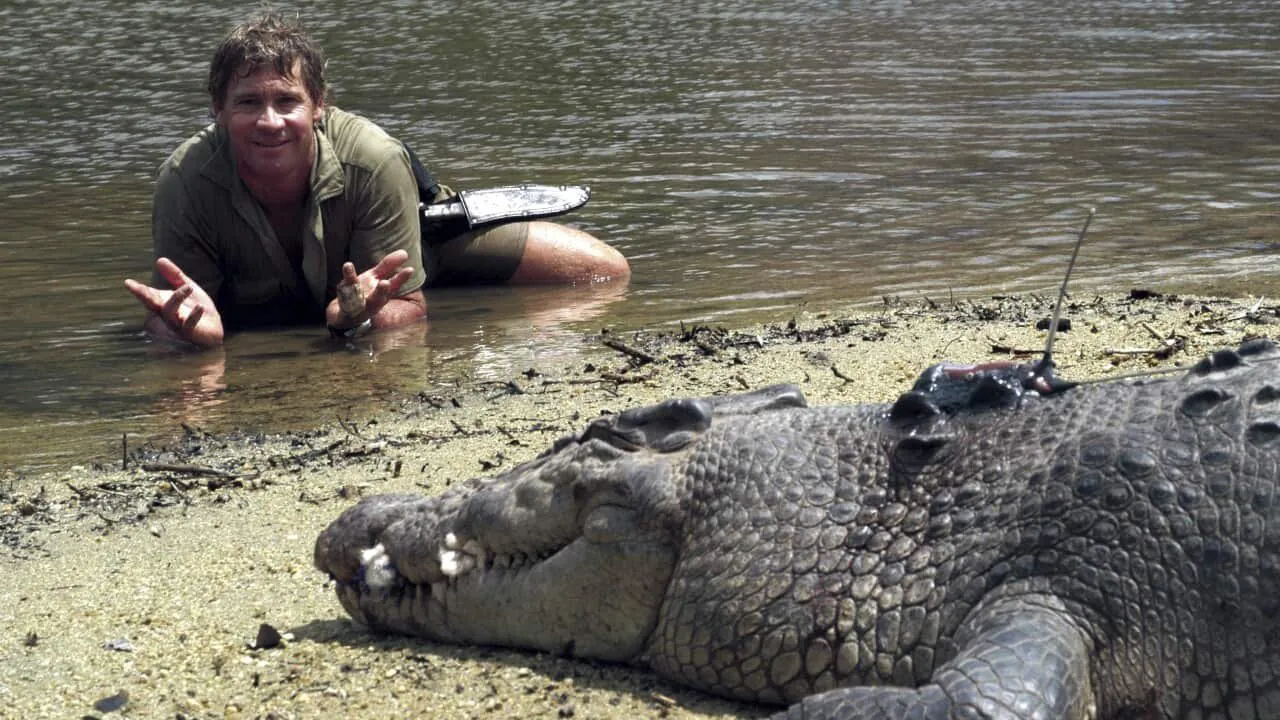
The capture and transfer of Old Faithful, an 80-plus-year-old saltwater crocodile, has sparked allegations of government secrecy, cultural insensitivity, and a blatant disregard for traditional owners’ rights.
At the heart of the controversy is a simple yet powerful question: what happens when the interests of wildlife management collide with the cultural and spiritual beliefs of Indigenous Australians?




Old Faithful’s story began in September last year, when the crocodile was caught and removed from the wild.
The Queensland government’s Department of Environment and Science (DETSI) was responsible for the capture and transfer, but Lyall alleges that the process was marred by a lack of consultation and transparency.
The crocodile was eventually relocated to Australia Zoo, made famous by the late Steve Irwin, in a deal that Lyall claims was done “behind closed doors”.
The Queensland government’s handling of the situation has been widely criticised, with many arguing that it has failed to respect the cultural significance of the crocodile and the rights of traditional owners.
Lyall believes that the government’s actions are symptomatic of a broader issue – a systemic disregard for Indigenous knowledge and cultural responsibilities in wildlife management.
Analysis: What This Means for Australia
The Old Faithful saga has significant implications for Australia’s relationships with its Indigenous communities and the management of its unique wildlife. The incident has exposed a deep-seated mistrust between government agencies and traditional owners, highlighting the need for greater transparency and cooperation.
As the country grapples with the challenges of reconciliation and Indigenous recognition, the fate of Old Faithful serves as a potent reminder of the importance of respecting cultural heritage and traditional knowledge.
Security analysts say that the incident has also raised concerns about the potential for community unrest and conflict, particularly in regions where wildlife management is a contentious issue.
The Queensland government’s handling of the situation has been seen as heavy-handed and insensitive, fuelling tensions between Indigenous communities and government agencies.
Law enforcement insiders warn that the lack of transparency and cooperation in wildlife management can have serious consequences, including the erosion of trust and the potential for violent conflict.
The Old Faithful saga has highlighted the need for a more collaborative approach to wildlife management, one that prioritises the rights and interests of traditional owners and respects the cultural significance of iconic species.
As the debate surrounding Old Faithful’s fate continues to rage, one thing is clear – the Queensland government must take a more proactive and collaborative approach to wildlife management, one that prioritises the rights and interests of traditional owners and respects the cultural significance of iconic species.
Anything less would be a betrayal of trust and a further erosion of the already fragile relationship between government agencies and Indigenous communities.