Australia on High Alert: Deadly Bird Flu Spreads, Vaccines Under Scrutiny Amid Fears of ‘Silent Spread’
- A deadly strain of bird flu has been detected in multiple seabirds across Australia, prompting governments and experts to scramble for a solution.
- Avian influenza vaccines are being considered, but concerns over ‘silent spread’ and trade impacts have raised questions about their effectiveness.
- Experts warn of the potential for vaccinated flocks to carry the virus without showing symptoms, posing a risk to other animals and humans.
- Australia’s agricultural and conservation sectors are bracing for the worst, with some calling for a rethink of the country’s vaccination policy.
The discovery of the deadly H5N1 2.3.4.4b strain of bird flu in Australian seabirds has sent shockwaves through the country’s agricultural and conservation communities.
As the virus continues to spread globally, infecting hundreds of people and devastating animal populations, the question of whether to vaccinate poultry flocks has become increasingly urgent.
But experts warn that the solution is not as simple as it seems, with concerns over ‘silent spread’ and trade impacts raising doubts about the effectiveness of vaccines.
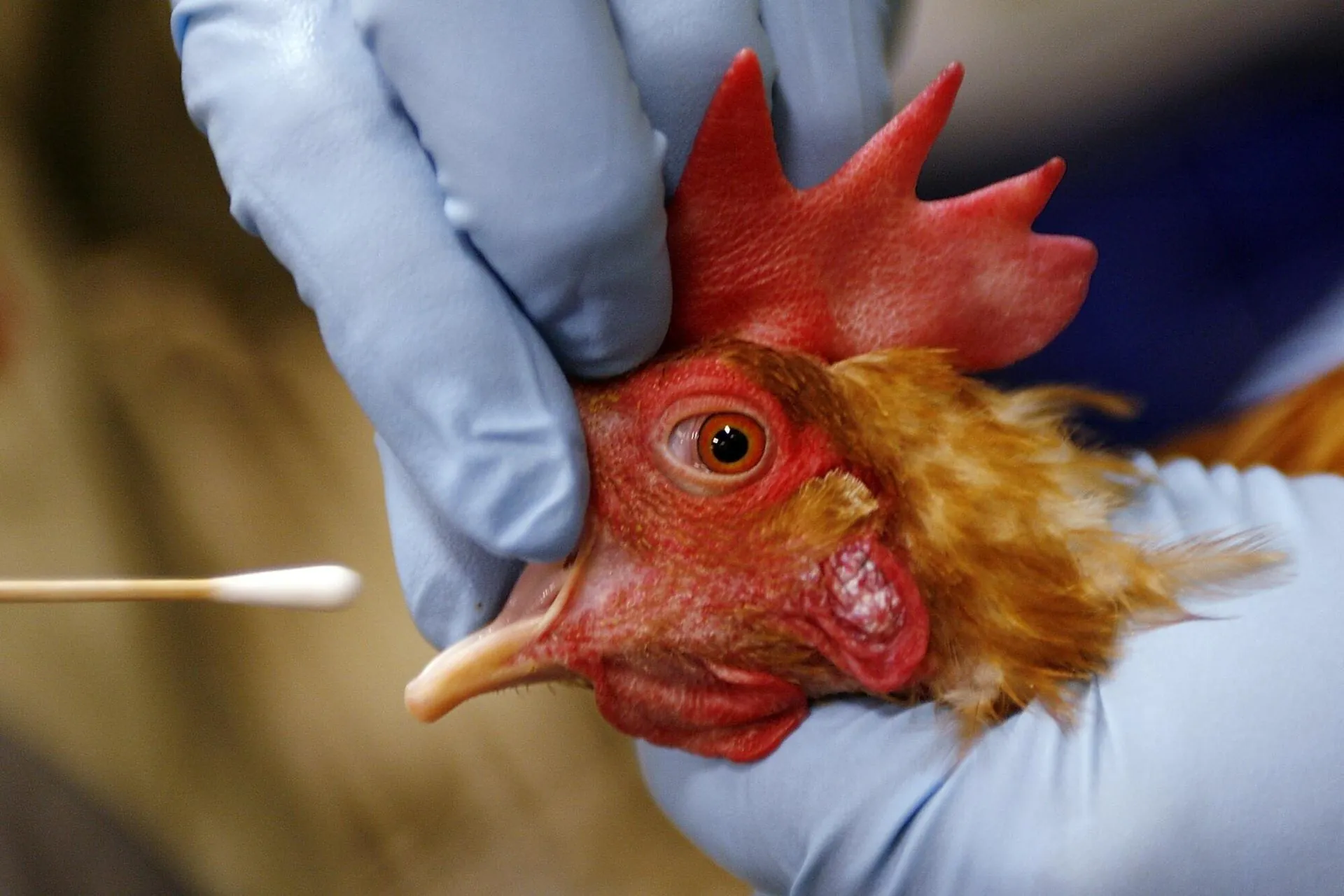
Avian influenza vaccines have been used in several countries, including in Asia, to manage the spread of the virus.
However, routine vaccination is banned in Australia due to concerns over the potential for vaccinated flocks to “silently” carry the virus, as well as impacts on trade.




The US recently approved vaccines for conditional use, but primarily continues to use culling to manage the virus. Australia’s Agriculture Minister, Julie Collins, has hinted that vaccinations may be introduced, but only for wildlife.
According to University of Queensland virologist Kirsty Short, avian influenza is very similar to human influenza, with both being caused by the influenza A virus. However, there is no “universal” vaccine that works against all strains, and vaccines need to be updated regularly to keep pace with mutating strains.
Researchers have long been trying to find a universal flu vaccine for humans, but Dr Short says it’s unlikely to happen anytime soon.
Professor Marcel Klaassen, a Deakin University ecologist, has studied the effectiveness of vaccines in Bangladesh’s poultry industry. He found that despite vaccination, around 50% of animals tested in wildlife markets and farms were infected with avian influenza.
This “silent spread” poses a significant risk, as infected animals can spread the virus without showing symptoms. Professor Klaassen warns that implementing a vaccine program can be difficult, particularly in countries with limited resources.
Analysis: What This Means for Australia
The spread of bird flu in Australia has significant implications for the country’s agricultural and conservation sectors. The virus has the potential to devastate poultry flocks, leading to economic losses and food shortages.
Furthermore, the risk of ‘silent spread’ poses a threat to human health, particularly for those in close contact with infected animals. Experts warn that a coordinated approach is needed to manage the outbreak, including increased surveillance, vaccination, and culling.
However, the use of vaccines must be carefully considered, taking into account the potential risks and benefits.
Security analysts say that the spread of bird flu highlights the need for increased biosecurity measures in Australia.
The country’s geographical isolation has long been seen as a protective barrier against diseases, but the spread of bird flu shows that this is no longer the case.
Law enforcement insiders warn that the outbreak has the potential to be exploited by criminal groups, who may seek to profit from the sale of infected animals or fake vaccines.
Industry observers believe that the outbreak will lead to increased scrutiny of Australia’s vaccination policy. The country’s ban on routine vaccination for poultry flocks may need to be re-examined, particularly in light of the spread of the virus.
However, any changes to the policy will need to be carefully considered, taking into account the potential risks and benefits.
In the meantime, Australians are being urged to remain vigilant.
Anyone who sees a dead or sick bird is asked not to touch it and to report it to the Emergency Animal Disease Hotline on 1800 675 888.
As the situation continues to unfold, one thing is clear: the spread of bird flu in Australia is a wake-up call for the country’s agricultural and conservation sectors, and a reminder of the need for increased preparedness and cooperation in the face of global health threats.