PM Albanese Defends ‘Sweeping’ Tax Overhaul Amid Backlash: ‘I’m Doing the Right Thing for the Nation’
- Australia is on the cusp of the biggest tax shake-up in a generation after Labor’s contentious changes passed Parliament.
- Anthony Albanese faces accusations of lying and breaking trust with voters, but insists he’s doing what’s best for the country.
- The new laws will bring in a raft of changes, including reforms to negative gearing and capital gains tax, as well as tax cuts and paid parental leave.
- But critics argue the government has broken election promises and is out of touch with voters, with many expressing anger and confusion over the changes.
The battle-scarred Prime Minister Anthony Albanese has emerged from 45 days of intense debate over Labor’s tax overhaul, defending his government’s sweeping changes as the right thing for the nation.
The reforms, which passed Parliament on Thursday, have been met with fierce resistance from some quarters, with accusations of broken election promises and a lack of consultation with the public.
At the heart of the changes is a major overhaul of negative gearing, which will only apply to new builds from next year, while existing arrangements will be grandfathered.
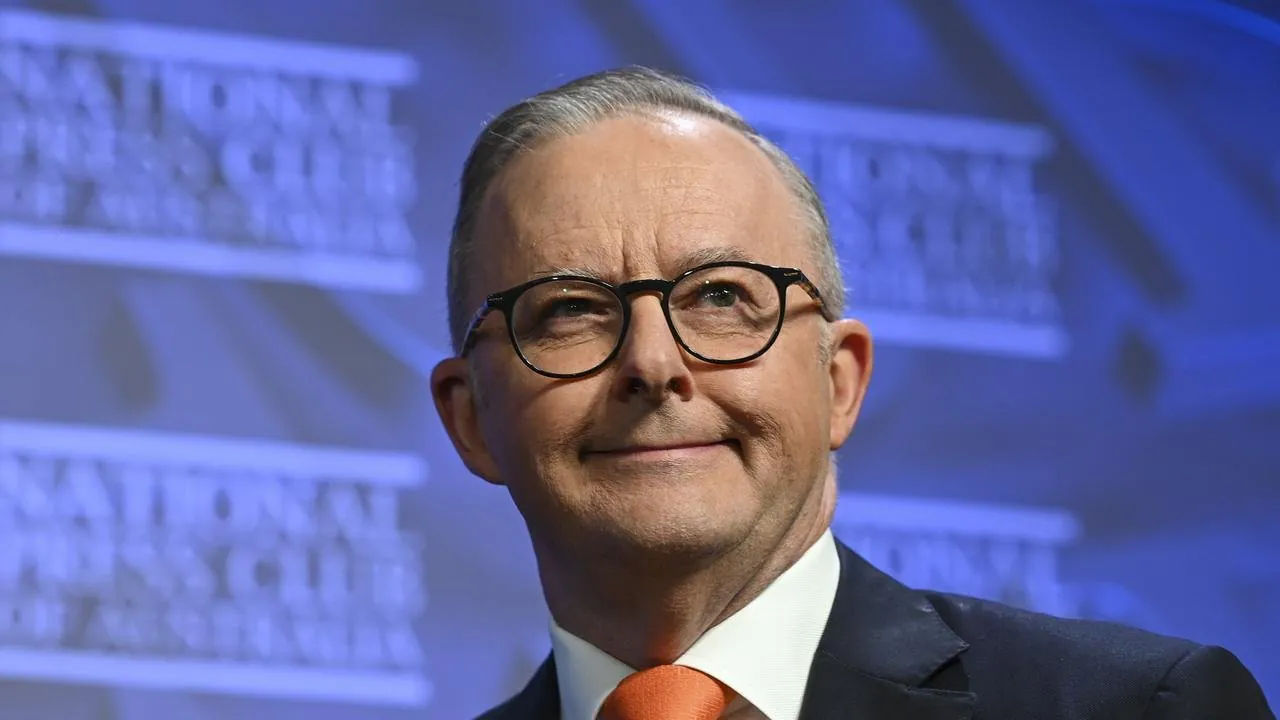
The move is designed to give young Australians a fairer crack at the housing market, according to Albanese, who claims it’s already having an impact. “I saw someone last night at the local government association big national dinner.
There was someone, one of the councils there, bought their first home yesterday as a direct result of the fact that they weren’t having to compete with investors for an existing home,” he said.



But critics argue the government has broken faith with voters, who were not adequately consulted on the changes. Albanese rejected this characterisation, saying there was “substantial debate” in the lead-up to the budget.
However, Sunrise host Natalie Barr pointed out that for 45 days, people have been angry and confused, running to their accountants for clarity. Albanese countered that the government couldn’t just sit back and do nothing about the broken housing system.
The tax changes will come into effect next week, along with additional tax cuts, six months of paid parental leave, and permanent urgent care clinics. The negative gearing and capital gains changes will commence in a year.
Albanese acknowledged there has been a political cost, but insisted his job is to do the right thing for the nation.
Security analysts say the changes will have far-reaching implications for Australia’s economy and housing market.
“The reforms will likely lead to a shift in the way people invest in property, with a greater focus on new builds and rental yields,” said one expert.
“However, there are concerns about the potential impact on the construction industry and the availability of affordable housing.”
Analysis: What This Means for Australia
The tax overhaul has significant implications for Australia’s national security, particularly in terms of the country’s economic stability and competitiveness.
The changes to negative gearing and capital gains tax will likely lead to a more sustainable housing market, but there are concerns about the potential impact on the construction industry and the availability of affordable housing.
Law enforcement insiders warn that the reforms could lead to increased scrutiny of property transactions and a greater risk of money laundering.
Industry observers believe the changes will lead to increased investment in new builds and rental properties, but there are concerns about the potential impact on the availability of affordable housing.
Law enforcement insiders warn that the reforms could lead to increased scrutiny of property transactions and a greater risk of money laundering.
“The changes to negative gearing and capital gains tax will likely lead to a more complex and nuanced property market, which could create new opportunities for money launderers,” said one expert.
Industry observers believe the changes will lead to increased investment in new builds and rental properties, but there are concerns about the potential impact on the availability of affordable housing.
“The reforms will likely lead to a shift in the way people invest in property, with a greater focus on new builds and rental yields,” said one expert.
“However, there are concerns about the potential impact on the construction industry and the availability of affordable housing.”
The tax overhaul is a significant development in Australia’s economic and housing landscape, with far-reaching implications for the country’s national security and competitiveness.
As the changes come into effect, it remains to be seen how they will play out in practice and what the long-term consequences will be for Australia.