Australia on High Alert as Deadly H5 Bird Flu Spreads: Fifth Suspected Case Detected in Western Australia
- A fifth suspected case of the highly contagious and deadly H5 bird flu has been detected in Western Australia, sparking fears of a potential outbreak.
- Two cases have been confirmed in migratory seabirds in WA, and one in South Australia, with authorities scrambling to contain the spread.
- The latest suspected case was found at Roses Beach near Esperance, with samples sent to the CSIRO for further testing.
- Wildlife carers and rescuers are bracing for a potential disaster, with fears that the outbreak could decimate local bird populations.
The discovery of a fifth suspected case of the H5 bird flu in Western Australia has sent shockwaves across the country, with authorities scrambling to contain the spread of the highly contagious and deadly disease.
The latest suspected case was found at Roses Beach near Esperance, with samples sent to the CSIRO for further testing. According to WA Agriculture Minister Jackie Jarvis, there have been no detections of the disease in poultry, and no reports of large-scale mortalities.
However, the fact that the disease has been detected in migratory seabirds in WA and South Australia has raised concerns about the potential for transmission to local wildlife.
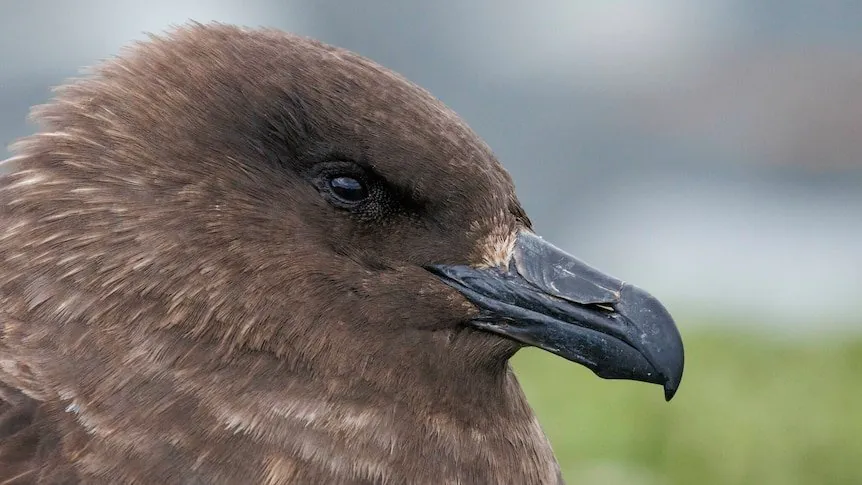
“There have been no detections in poultry, and there have been no reports of large scale mortalities,” Minister Jarvis said. The suspected case at Roses Beach was detected after a member of the public reported five giant petrels on the beach on Sunday, June 21.
Only one of the petrels returned a suspected positive result for bird flu, while the other four birds tested negative.




While this is encouraging, authorities are not taking any chances, with an emergency meeting convened on Thursday with the Wildlife Emergency Advisory Group to discuss Australia’s response to the unfolding situation.
Birdlife Australia migratory shorebirds manager Chris Purnell, who attended the meeting, emphasized the importance of passive surveillance in detecting cases of the bird flu. However, he also warned that authorities need to ramp up surveillance in areas where cases have been confirmed.
“Sampling, not only the birds that you find that are sick and dead, but healthy wild populations,” he said. For wildlife carers and rescuers, the outbreak could not have come at a worse time.
Sandie Gillard, a wildlife carer from Dunsborough, expressed her fears about the potential impact on local bird populations. “We’ve got so many migratory birds that come through here; and our land birds spend so much time in these areas,” she said.
“I expect there’ll be a lot more than seabirds impacted, which is really sad.”
The outbreak is also raising concerns about the potential for transmission to other animals and even humans.
While the risk of transmission to humans is considered low, the disease is highly contagious among birds and can have devastating consequences for local ecosystems. As the situation continues to unfold, authorities are urging the public to remain vigilant and report any sightings of dead or sick birds.
Analysis: What This Means for AustraliaThe detection of the H5 bird flu in Western Australia has significant implications for the country’s national security, economy, and public health.
The disease has the potential to devastate local bird populations, with flow-on effects for the environment and the economy. The fact that the disease has been detected in migratory seabirds also raises concerns about the potential for transmission to other animals and even humans.
Security analysts say that the outbreak highlights the need for increased surveillance and monitoring of bird populations, particularly in areas where cases have been confirmed.
“The detection of the H5 bird flu in Western Australia is a wake-up call for authorities to take a more proactive approach to monitoring and responding to disease outbreaks,” said one analyst.
Law enforcement insiders also warn that the outbreak could have significant implications for the country’s biosecurity.
“The detection of the H5 bird flu in Western Australia highlights the need for increased vigilance and cooperation between authorities to prevent the spread of the disease,” said one insider.
As the situation continues to unfold, it is clear that the detection of the H5 bird flu in Western Australia is a serious concern for the country.
With the potential for devastating consequences for local ecosystems and the economy, authorities must take a proactive and coordinated approach to containing the spread of the disease.
The discovery of a fifth suspected case of the H5 bird flu in Western Australia has sent shockwaves across the country, with authorities scrambling to contain the spread of the highly contagious and deadly disease. The latest suspected case was found at Roses Beach near Esperance, with samples sent to the CSIRO for further testing.
According to WA Agriculture Minister Jackie Jarvis, there have been no detections of the disease in poultry, and no reports of large-scale mortalities. However, the fact that the disease has been detected in migratory seabirds in WA and South Australia has raised concerns about the potential for transmission to local wildlife. “There have been no detections in poultry, and there have been no reports of large scale mortalities,” Minister Jarvis said.
The suspected case at Roses Beach was detected after a member of the public reported five giant petrels on the beach on Sunday, June 21. Only one of the petrels returned a suspected positive result for bird flu, while the other four birds tested negative. While this is encouraging, authorities are not taking any chances, with an emergency meeting convened on Thursday with the Wildlife Emergency Advisory Group to discuss Australia’s response to the unfolding situation.
Birdlife Australia migratory shorebirds manager Chris Purnell, who attended the meeting, emphasized the importance of passive surveillance in detecting cases of the bird flu. However, he also warned that authorities need to ramp up surveillance in areas where cases have been confirmed. “Sampling, not only the birds that you find that are sick and dead, but healthy wild populations,” he said.
For wildlife carers and rescuers, the outbreak could not have come at a worse time. Sandie Gillard, a wildlife carer from Dunsborough, expressed her fears about the potential impact on local bird populations. “We’ve got so many migratory birds that come through here; and our land birds spend so much time in these areas,” she said. “I expect there’ll be a lot more than seabirds impacted, which is really sad.”
The outbreak is also raising concerns about the potential for transmission to other animals and even humans. While the risk of transmission to humans is considered low, the disease is highly contagious among birds and can have devastating consequences for local ecosystems. As the situation continues to unfold, authorities are urging the public to remain vigilant and report any sightings of dead or sick birds.
The detection of the H5 bird flu in Western Australia has significant implications for the country’s national security, economy, and public health. The disease has the potential to devastate local bird populations, with flow-on effects for the environment and the economy. The fact that the disease has been detected in migratory seabirds also raises concerns about the potential for transmission to other animals and even humans.
Security analysts say that the outbreak highlights the need for increased surveillance and monitoring of bird populations, particularly in areas where cases have been confirmed. “The detection of the H5 bird flu in Western Australia is a wake-up call for authorities to take a more proactive approach to monitoring and responding to disease outbreaks,” said one analyst.
Law enforcement insiders also warn that the outbreak could have significant implications for the country’s biosecurity. “The detection of the H5 bird flu in Western Australia highlights the need for increased vigilance and cooperation between authorities to prevent the spread of the disease,” said one insider.
As the situation continues to unfold, it is clear that the detection of the H5 bird flu in Western Australia is a serious concern for the country. With the potential for devastating consequences for local ecosystems and the economy, authorities must take a proactive and coordinated approach to containing the spread of the disease.