Queensland’s ‘Zero-Tolerance’ War on Drug Driving: Experts Slam ‘Out of Touch’ Laws That Punish Medicinal Cannabis Users
- Queensland’s LNP government has introduced harsher laws for drug driving, including for medical cannabis users, sparking criticism from experts who say the approach is “out of touch” with the rest of Australia.
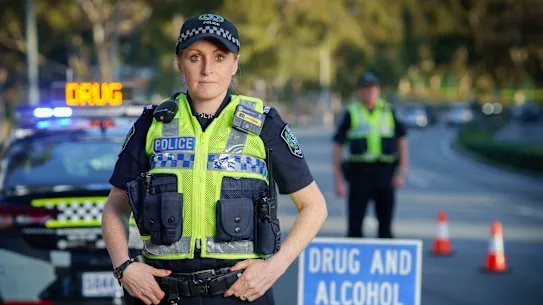
- Doubled penalties for drink and drug driving are set to come into effect on December 1, with Attorney-General Deb Frecklington vowing to “hold offenders to account” and “put people’s lives at risk”.
- Former magistrate David Heilpern has slammed the laws, saying they will force medicinal cannabis users to “run the gauntlet” or abandon their medication, potentially leading to increased road trauma.
- The Australian Medical Association Queensland has called for a more nuanced approach, warning that “punitive measures alone” will not reduce drink and drug driving and urging the government to reinstate “evidence-backed harm reduction” measures.
The Queensland government’s latest crackdown on drink and drug driving has been met with fierce criticism from experts, who say the state’s “zero-tolerance” approach to medicinal cannabis users is “out of touch” with the rest of Australia.
The new laws, set to come into effect on December 1, will double penalties for drink and drug driving, including for those with medical cannabis prescriptions.
Attorney-General Deb Frecklington has defended the measures, saying they are necessary to “hold offenders to account” and “put people’s lives at risk”. However, critics argue that the laws will unfairly target medicinal cannabis users, who may be forced to choose between their medication and driving.
Former magistrate David Heilpern has slammed the laws, saying they will lead to increased road trauma as medicinal cannabis users abandon their medication and turn to more dangerous alternatives.
The new laws are part of a suite of reforms aimed at reducing Queensland’s road toll, which has surpassed 150 for the year. Transport Minister Brent Mickelberg has vowed to take a “zero-tolerance” approach to drug driving, including for those with medicinal marijuana prescriptions.
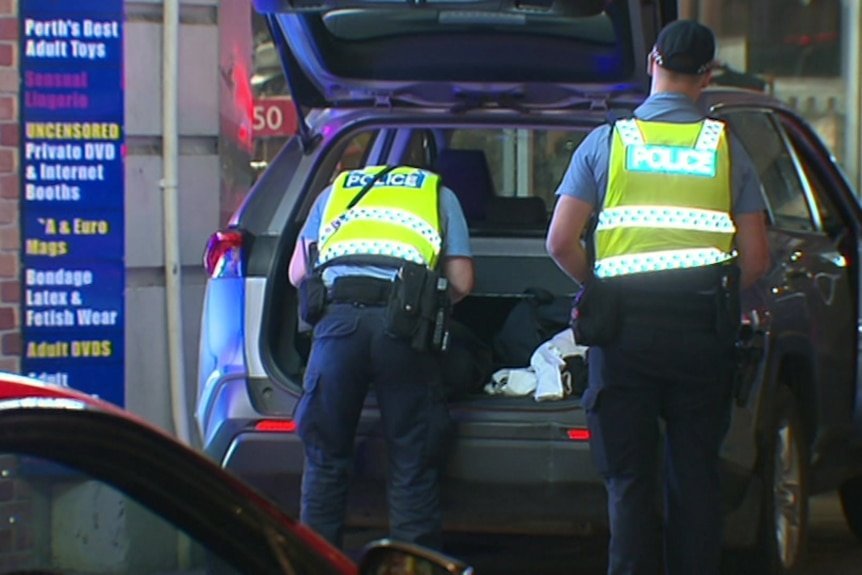
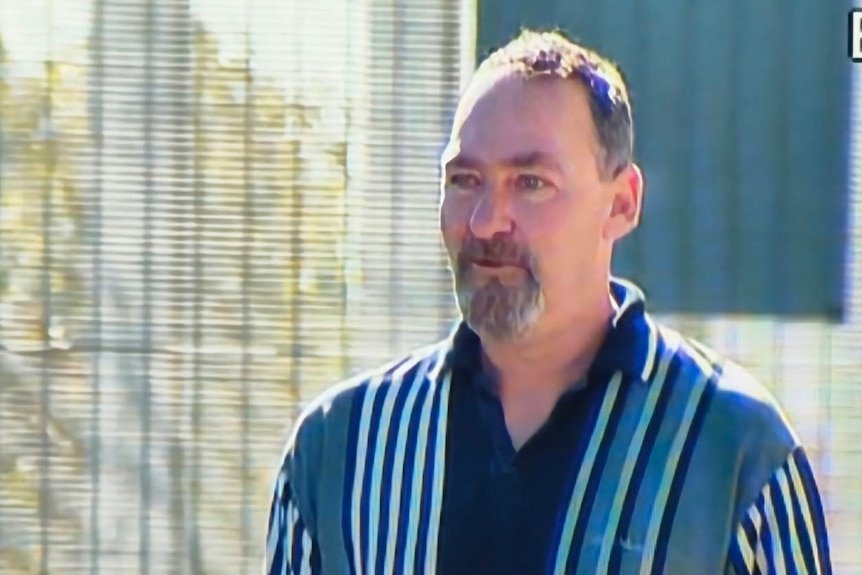

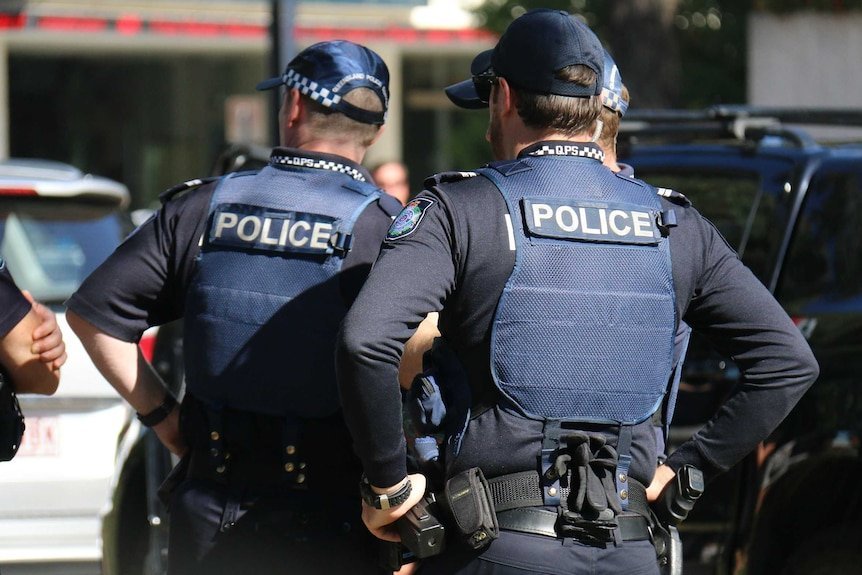
However, experts say this approach is misguided and will only serve to punish those who are already vulnerable.
In contrast, other states such as New South Wales have introduced more nuanced laws that exempt drivers who have a prescription and are found to have less than 50 nanograms per millilitre of THC in their system.
Tasmania and Victoria also have provisions for people with prescriptions, highlighting the need for a more considered approach to medicinal cannabis use and driving.
Analysis: What This Means for Australia
The Queensland government’s decision to introduce harsher laws for drug driving, including for medicinal cannabis users, has significant implications for national road safety and public health policy.
While the state’s road toll is a major concern, experts argue that a more nuanced approach is needed to address the complex issues surrounding medicinal cannabis use and driving.
Security analysts say that the laws will create a culture of fear among medicinal cannabis users, who may be forced to abandon their medication and turn to more dangerous alternatives.
This could lead to increased road trauma and undermine efforts to reduce the state’s road toll. Furthermore, the laws may also have unintended consequences for law enforcement, as police may struggle to distinguish between medicinal cannabis users and recreational users.
Law enforcement insiders warn that the laws will create a significant burden on the justice system, as more people are charged and prosecuted for drug driving offences.
This could lead to increased costs and resource pressures, as well as potentially clogging up the courts with minor cases.
Industry observers believe that the laws will have significant economic and social consequences, particularly for medicinal cannabis users who rely on their medication to manage chronic pain and other conditions.
The laws may also have a disproportionate impact on certain communities, such as rural and regional areas where access to alternative transportation is limited.
Expert Commentary
“Queensland’s zero-tolerance approach to medicinal cannabis users is out of touch with the rest of Australia,” said former magistrate David Heilpern.
“There is absolutely no evidence that medicinal cannabis users, using consistently within their prescription, have increased road trauma anywhere.”
“The industry is under-regulated and concentrations of THC in products vary significantly,” said Australian Medical Association Queensland President Erica Gannon.
“We urge any patients taking medicinal cannabis who need to drive to discuss alternative treatment options with their regular general practitioner.”
“We want to make sure people get to their destination safely,” said Queensland Police Assistant Commissioner Rhys Wildman.
“We will be running a high-visibility operation during the winter school holidays to ensure that all motorists, especially those driving long distances, abide by the road rules.”
The Queensland government’s latest crackdown on drink and drug driving has been met with fierce criticism from experts, who say the state’s “zero-tolerance” approach to medicinal cannabis users is “out of touch” with the rest of Australia. The new laws, set to come into effect on December 1, will double penalties for drink and drug driving, including for those with medical cannabis prescriptions.
Attorney-General Deb Frecklington has defended the measures, saying they are necessary to “hold offenders to account” and “put people’s lives at risk”. However, critics argue that the laws will unfairly target medicinal cannabis users, who may be forced to choose between their medication and driving. Former magistrate David Heilpern has slammed the laws, saying they will lead to increased road trauma as medicinal cannabis users abandon their medication and turn to more dangerous alternatives.
In contrast, other states such as New South Wales have introduced more nuanced laws that exempt drivers who have a prescription and are found to have less than 50 nanograms per millilitre of THC in their system. Tasmania and Victoria also have provisions for people with prescriptions, highlighting the need for a more considered approach to medicinal cannabis use and driving.
The Queensland government’s decision to introduce harsher laws for drug driving, including for medicinal cannabis users, has significant implications for national road safety and public health policy. While the state’s road toll is a major concern, experts argue that a more nuanced approach is needed to address the complex issues surrounding medicinal cannabis use and driving.
Security analysts say that the laws will create a culture of fear among medicinal cannabis users, who may be forced to abandon their medication and turn to more dangerous alternatives. This could lead to increased road trauma and undermine efforts to reduce the state’s road toll. Furthermore, the laws may also have unintended consequences for law enforcement, as police may struggle to distinguish between medicinal cannabis users and recreational users.
Law enforcement insiders warn that the laws will create a significant burden on the justice system, as more people are charged and prosecuted for drug driving offences. This could lead to increased costs and resource pressures, as well as potentially clogging up the courts with minor cases.
Industry observers believe that the laws will have significant economic and social consequences, particularly for medicinal cannabis users who rely on their medication to manage chronic pain and other conditions. The laws may also have a disproportionate impact on certain communities, such as rural and regional areas where access to alternative transportation is limited.
“Queensland’s zero-tolerance approach to medicinal cannabis users is out of touch with the rest of Australia,” said former magistrate David Heilpern. “There is absolutely no evidence that medicinal cannabis users, using consistently within their prescription, have increased road trauma anywhere.”
“The industry is under-regulated and concentrations of THC in products vary significantly,” said Australian Medical Association Queensland President Erica Gannon. “We urge any patients taking medicinal cannabis who need to drive to discuss alternative treatment options with their regular general practitioner.”
“We want to make sure people get to their destination safely,” said Queensland Police Assistant Commissioner Rhys Wildman. “We will be running a high-visibility operation during the winter school holidays to ensure that all motorists, especially those driving long distances, abide by the road rules.”