One Nation’s David Farley Under Pressure to Deliver on Promises as Farrer Voters Wait with Bated Breath
- David Farley’s historic win in the Farrer by-election has put the spotlight on One Nation’s ability to deliver on its promises.
- Voters in the southern NSW rural electorate are waiting to see if taking a chance on the party will pay off.
- Farley’s campaign centred on promises to scrap water buybacks, change electricity and immigration policies, and improve healthcare.
- The party’s shift from the Senate to the lower house has raised questions about its ability to compete with major parties.
The 2026 Farrer by-election sent shockwaves through the nation’s major parties, with One Nation’s David Farley wresting the seat from the Coalition’s historic grasp.
As the dust settles, voters in the sprawling southern NSW rural electorate are waiting to see if taking a chance on the party will pay off.
Farley’s campaign centred on promises to bring about new water policy, along with changes to electricity, immigration, liquid energy, and health.
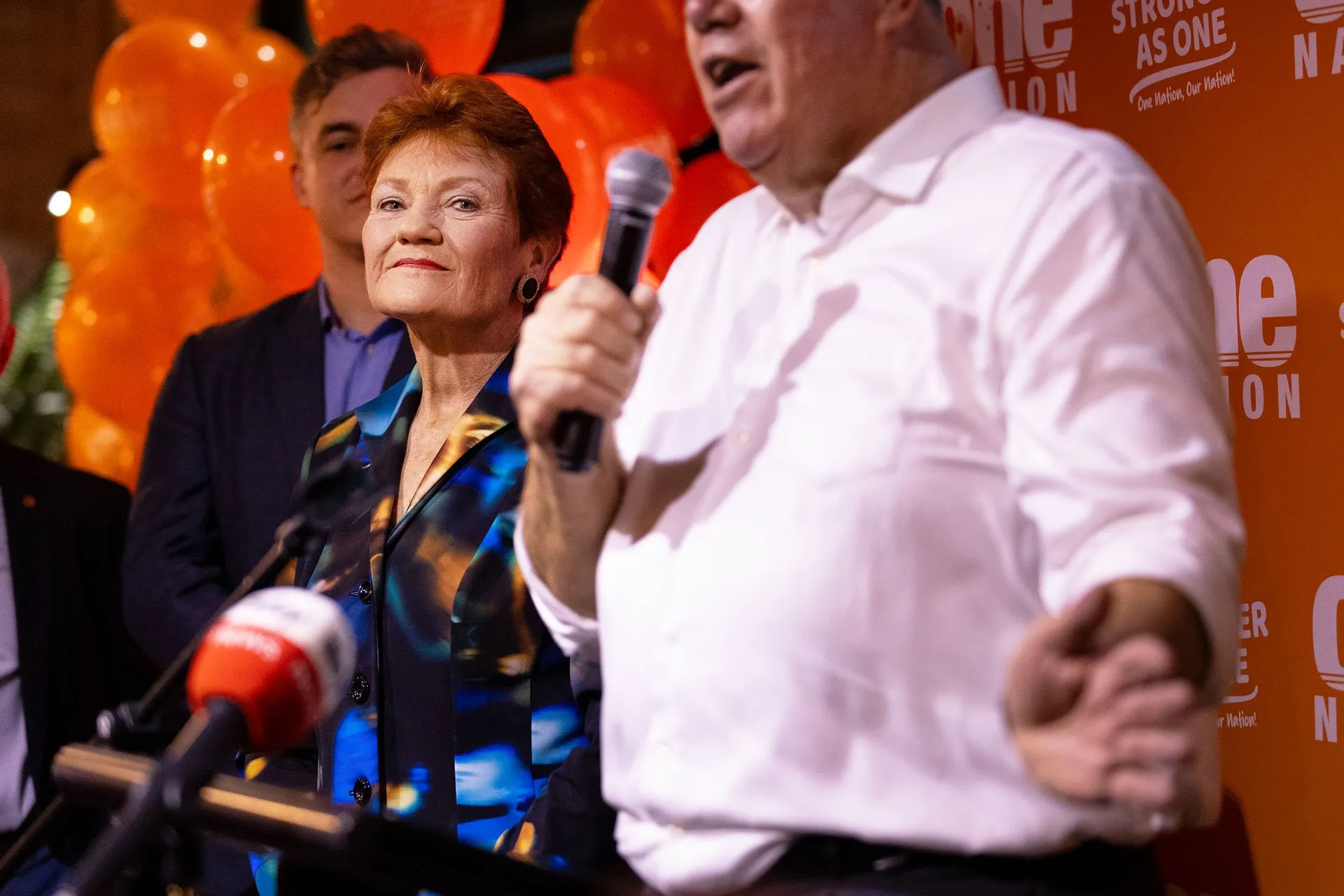
But with the polling booths long packed up and the gaze of the nation’s media turned away, those voters are waiting to see if their decision will yield tangible results.
One Nation’s surge in the polls has been driven by a growing sense of disillusionment among voters who feel ignored and forgotten by the major parties.

In Farrer, water was the main issue that helped One Nation float to the top.
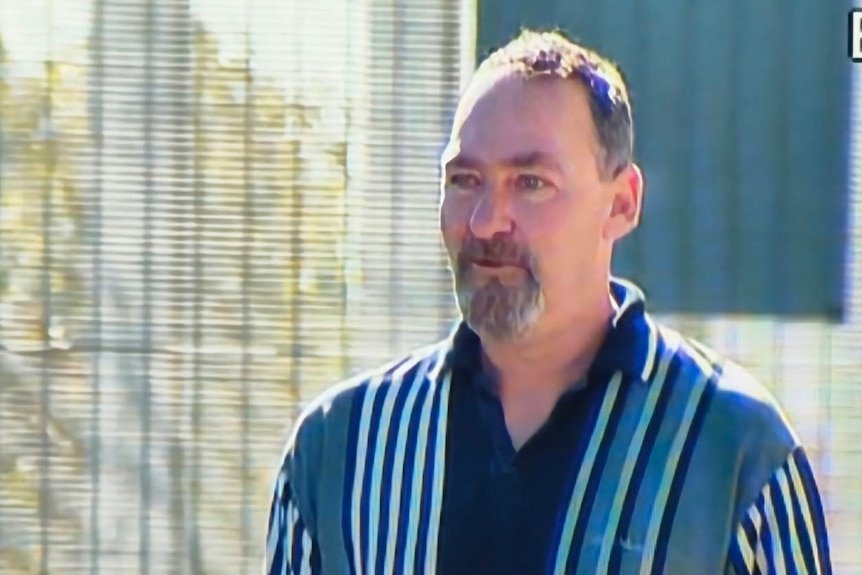
The party’s promise to scrap water buybacks, a legislative move that’s impossible without support from Labor and the Greens, resonated with voters like Louise Burge, who lost valuable crops and livestock during the 2016 floods and again in 2022.
“With political deals, there are winners and losers, and the seat of Farrer was a loser,” she said.
But as One Nation shifts from the Senate to the policy-building lower house, questions are being raised about its ability to compete with the major parties.
Australian National University political associate professor Jill Sheppard says Farley won’t have any real power in parliament, but can be influential nonetheless.
“Even though he’s not being consulted on legislation and he’s not in the room that’s making decisions on behalf of the government, using that to bring attention to Farrer and its issues I think could be really beneficial,” she said.
Analysis: What This Means for Australia
One Nation’s growing popularity has significant implications for the nation’s political landscape. As the party continues to surge in the polls, it’s clear that voters are looking for a new direction.
But with 23 months until the next federal election, the pressure is on Farley to deliver on his promises.
“We focus on realism, we focus on Australia, on our culture, on our Australian citizens, we are being very pragmatic about what’s good and what’s bad for Australia,” he said.
But will it be enough to convince voters that One Nation is more than just a protest vote?
Security analysts say the party’s anti-immigration policies could have significant implications for the nation’s agricultural sector, which relies heavily on migrant workers. “One Nation’s policies don’t sit right with me,” said Will Strauss, a 25-year-old voter from Jindera.
“We need migrant workers to keep our farms running.” Industry observers believe that the party’s stance on immigration could have far-reaching consequences for the nation’s economy.
As the nation waits with bated breath to see if One Nation can deliver on its promises, one thing is clear: the party’s growing popularity has sent a wake-up call to the major parties.
With the next federal election looming, it’s time for all parties to take a hard look at their policies and start listening to the needs of the Australian people.