‘ISIS Bride’ Walks Free: Australian Magistrate Grants Bail to Woman Accused of Slavery and Spreading Extremist Ideology
- A 54-year-old woman accused of slavery and supporting ISIS has been granted bail despite concerns she posed a risk to the community.
- Kawsar Ahmad, who allegedly treated a teenage slave girl brutally, was deemed a ‘low risk’ by the magistrate due to stringent bail conditions.
- The decision comes just a week after her daughter Zeinab Ahmad lost her bid for bail in the same court.
- Experts warn that the case highlights the complexities of dealing with returnees from conflict zones and the need for robust rehabilitation programs.
Accused ISIS bride Kawsar Ahmad breathed a sigh of relief as she walked out of Melbourne Magistrates Court a free woman on Friday, despite facing allegations of slavery and supporting extremist ideology.
The 54-year-old’s release has sparked concerns about the risk she poses to the community, with some experts warning that it highlights the complexities of dealing with returnees from conflict zones.
Prosecutors allege that Ahmad, along with her husband Mohammed and their children, migrated to Syria in 2015 to join Islamic State.
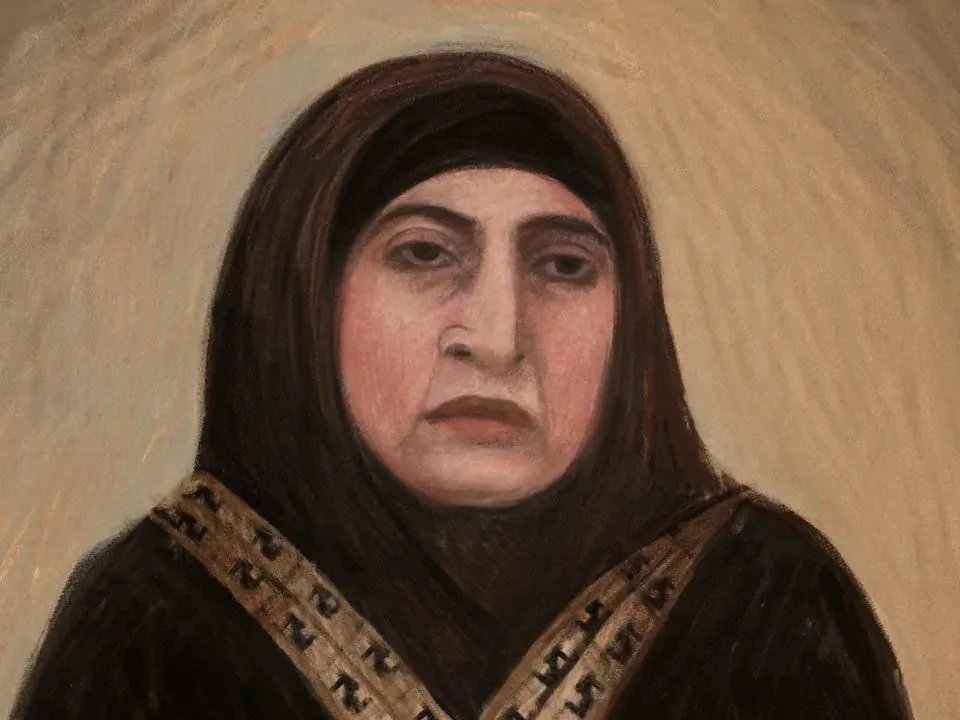
It’s claimed that while in Syria in 2017, Mohammed bought a teenage girl as a slave for $US10,000, who was repeatedly raped and beaten by him.
Ahmad allegedly agreed to the purchase and treated the girl badly, often threatening her with beatings or the prospect of being sold.
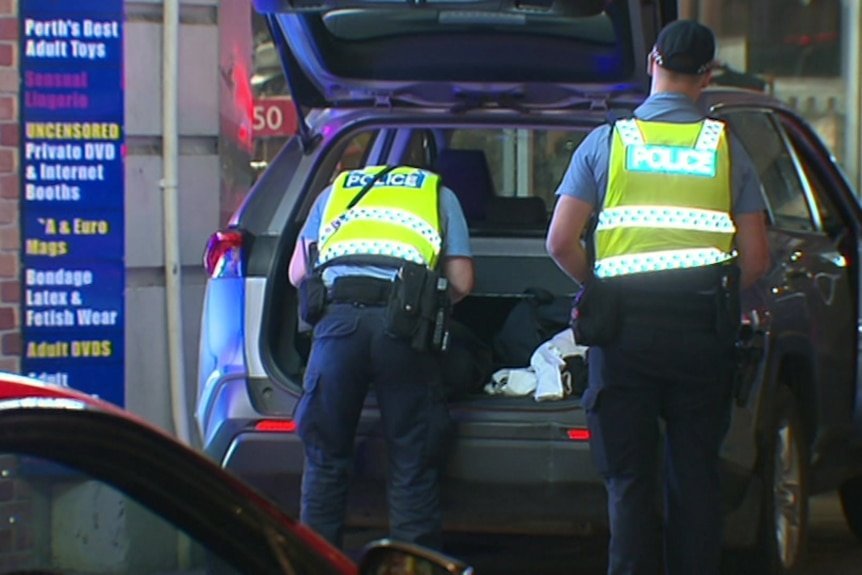
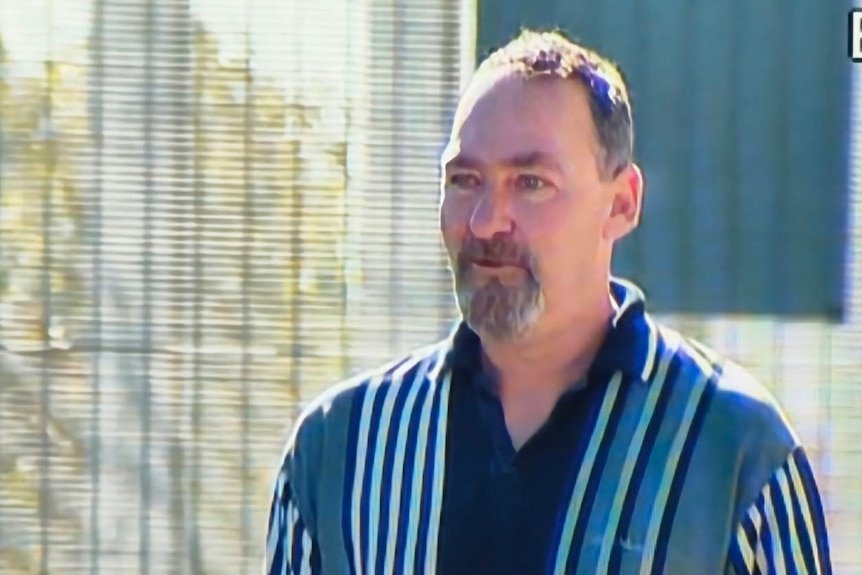

Despite these allegations, Chief Magistrate Lisa Hannan granted Ahmad bail, citing a psychologist’s assessment that she no longer held radical views or posed a risk of recidivism.
The magistrate imposed stringent bail conditions, including an 8pm to 6am curfew, a ban on attending mosques, and restrictions on her phone use.
Ahmad was also required to keep a log of every person who attends her bail address and hand over any passport or travel documents to police.
The decision has raised questions about the effectiveness of rehabilitation programs for returnees from conflict zones.
Security analysts say that the case highlights the need for more robust programs to address the complex issues faced by individuals who have been involved with extremist groups.
Law enforcement insiders warn that the risk of re-radicalization is a significant concern, particularly in cases where individuals have been exposed to extremist ideology. “The conditions imposed on Ahmad are stringent, but they may not be enough to prevent her from reconnecting with extremist networks,” said one expert.
Analysis: What This Means for Australia
The release of Kawsar Ahmad on bail has significant implications for Australia’s national security. The case highlights the complexities of dealing with returnees from conflict zones and the need for robust rehabilitation programs.
The Australian government has faced criticism for its handling of returnees, with some arguing that more needs to be done to address the risk of re-radicalization.
Industry observers believe that the case also raises questions about the effectiveness of Australia’s counter-terrorism laws.
“The fact that Ahmad was able to return to Australia and has now been granted bail despite facing serious allegations raises concerns about the effectiveness of our laws in preventing the spread of extremist ideology,” said one expert.
As the Australian government continues to grapple with the challenges posed by returnees from conflict zones, the case of Kawsar Ahmad serves as a stark reminder of the need for a comprehensive and coordinated approach to addressing the risk of re-radicalization.