‘I’ll Assassinate You and Albo’: The Chilling Threats Made by a Teenager to Kill the Prime Minister and NSW Premier
- A 19-year-old construction worker has narrowly avoided jail after sending threatening messages to kill the Prime Minister and NSW Premier.
- The teenager’s ominous messages included antisemitic hate speech and were sent during a politically volatile period.
- Despite the offence being deemed “serious enough that only imprisonment is appropriate”, the magistrate conditionally suspended the teenager’s seven-month jail sentence.
- The case highlights the growing trend of threats against politicians, with the magistrate warning that such incidents are becoming “far too common”.
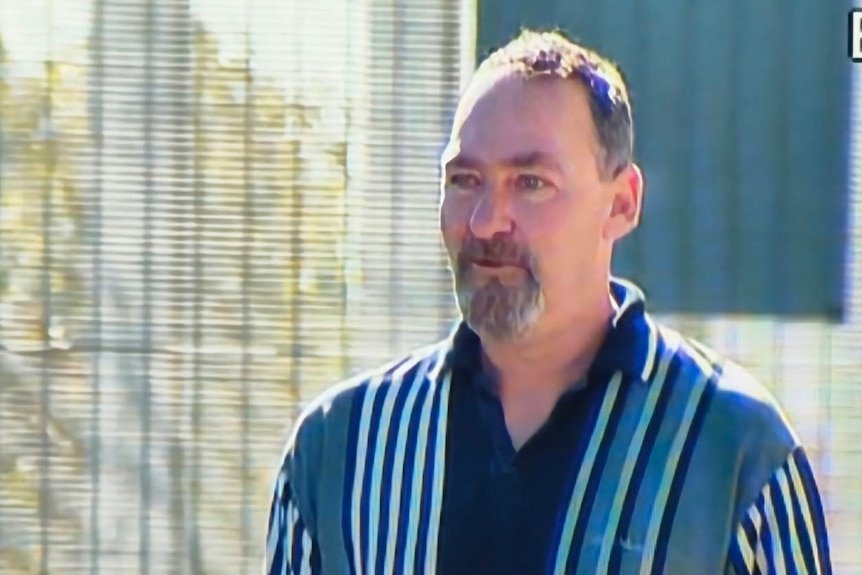
The teenage construction worker’s fingers flew across the keyboard as he fired off a tirade of threatening messages to the Prime Minister and NSW Premier. The ominous warnings, sent via Instagram, were laced with antisemitic hate speech and sparked a frantic investigation by State Security Investigations Group detectives.
Just hours after the messages were sent, the teenager, Will James King, was in handcuffs, facing a charge that would land him before a magistrate with his freedom hanging in the balance.
King, 19, had been on a doomscrolling spree online, fueled by frustration over immigration and housing issues.

The toxic online environment had clearly taken its toll, with King’s lawyer later claiming that his client’s outburst was an emotional response to a difficult political climate.
The messages, sent on January 14, were a stark reminder of the dangers of online hate speech and the blurred lines between free speech and incitement to violence.

“You’re a Jew, not a real Semite,” King wrote in the direct message. “You’re an Ashkenazi Jew.
Antisemitism doesn’t apply to you or to any other Jews.
I’ll assassinate you and Albo, and the country will be a better place.”
Analysis: What This Means for AustraliaThe case highlights the growing threat of online extremism and the ease with which individuals can spread hate speech and incite violence.
Security analysts say that the rise of social media has created a breeding ground for radical ideologies, with individuals able to disseminate hate speech and threats with ease.
“The threat landscape has changed significantly in recent years, with online platforms providing a fertile ground for extremist ideologies to take hold,” one analyst noted.
“The challenge for law enforcement is to stay ahead of the curve and identify potential threats before they escalate into real-world violence.”
The incident also raises concerns about the impact of online hate speech on community cohesion and social fabric.
Experts warn that the proliferation of hate speech can have a corrosive effect on community relationships, fueling intolerance and extremism. “Hate speech can have a profound impact on community cohesion, creating an environment of fear and mistrust,” said one expert.
“It’s essential that we take a proactive approach to combating online hate speech and promoting a culture of respect and inclusivity.”
As the nation grapples with the challenges of online extremism, the case serves as a stark reminder of the importance of robust law enforcement and community engagement.
With threats against politicians becoming increasingly common, the need for effective counter-measures has never been more pressing. “Threats against politicians are not only a threat to the individual but also to the democratic process as a whole,” said a law enforcement insider.
“We need to take a zero-tolerance approach to such threats and work to create a safer, more respectful online environment.”
The teenage construction worker’s fingers flew across the keyboard as he fired off a tirade of threatening messages to the Prime Minister and NSW Premier. The ominous warnings, sent via Instagram, were laced with antisemitic hate speech and sparked a frantic investigation by State Security Investigations Group detectives. Just hours after the messages were sent, the teenager, Will James King, was in handcuffs, facing a charge that would land him before a magistrate with his freedom hanging in the balance.
King, 19, had been on a doomscrolling spree online, fueled by frustration over immigration and housing issues. The toxic online environment had clearly taken its toll, with King’s lawyer later claiming that his client’s outburst was an emotional response to a difficult political climate. The messages, sent on January 14, were a stark reminder of the dangers of online hate speech and the blurred lines between free speech and incitement to violence. “You’re a Jew, not a real Semite,” King wrote in the direct message. “You’re an Ashkenazi Jew. Antisemitism doesn’t apply to you or to any other Jews. I’ll assassinate you and Albo, and the country will be a better place.”
The case highlights the growing threat of online extremism and the ease with which individuals can spread hate speech and incite violence. Security analysts say that the rise of social media has created a breeding ground for radical ideologies, with individuals able to disseminate hate speech and threats with ease. “The threat landscape has changed significantly in recent years, with online platforms providing a fertile ground for extremist ideologies to take hold,” one analyst noted. “The challenge for law enforcement is to stay ahead of the curve and identify potential threats before they escalate into real-world violence.”
The incident also raises concerns about the impact of online hate speech on community cohesion and social fabric. Experts warn that the proliferation of hate speech can have a corrosive effect on community relationships, fueling intolerance and extremism. “Hate speech can have a profound impact on community cohesion, creating an environment of fear and mistrust,” said one expert. “It’s essential that we take a proactive approach to combating online hate speech and promoting a culture of respect and inclusivity.”
As the nation grapples with the challenges of online extremism, the case serves as a stark reminder of the importance of robust law enforcement and community engagement. With threats against politicians becoming increasingly common, the need for effective counter-measures has never been more pressing. “Threats against politicians are not only a threat to the individual but also to the democratic process as a whole,” said a law enforcement insider. “We need to take a zero-tolerance approach to such threats and work to create a safer, more respectful online environment.”