‘A Drop in the Ocean of Need’: The Unsung Heroes of Australia’s Refugee Resettlement Program
- A Western Australian couple’s selfless act of opening their home to refugees has changed lives and forged unbreakable bonds.
- As the world grapples with a record 117 million displaced people, community-led initiatives like the CRISP program offer a beacon of hope.
- But experts warn that Australia’s refugee support services are stretched thin, particularly in regional areas, making programs like CRISP a vital lifeline.
- As the government commits to making CRISP a permanent fixture, what does this mean for Australia’s humanitarian response and community cohesion?
In the picturesque town of Margaret River, Western Australia, a remarkable story of kindness and compassion is unfolding.
Anne and John Roberts, a couple in their 60s, have opened their home to refugees from around the world, providing a safe haven and a fresh start.
Their selfless act is part of the Community Refugee Integration and Settlement Pilot (CRISP) program, which trains community volunteers to support refugees during their first year of settlement.
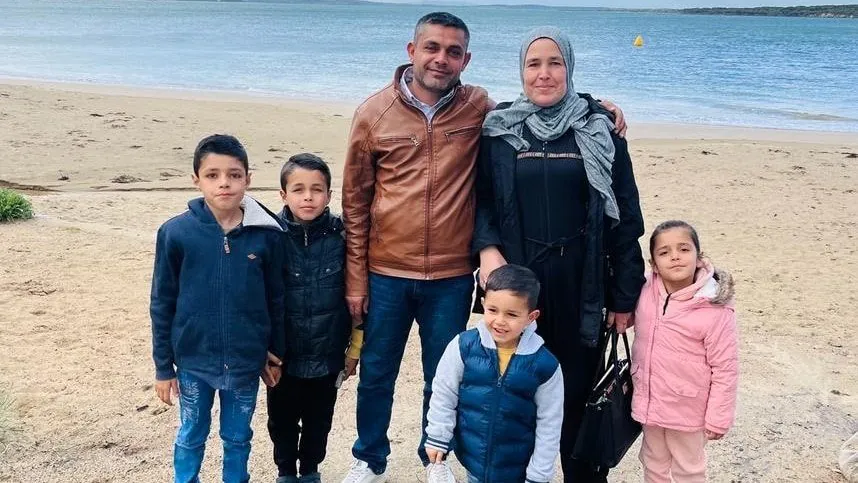
The Roberts’ journey began three years ago when they joined the CRISP program, which has since become a permanent fixture in Australia’s Refugee and Humanitarian Program.
The couple’s first guests were a family from Afghanistan, followed by a family of political refugees from Myanmar. The experience has been life-changing, not just for the refugees but also for the Roberts themselves.

“It’s very emotional when we meet them at the airport, even though it’s the first time we’ve seen them in the flesh,” Anne Roberts said. “It was wonderful, like seeing your own family arrive.”
The CRISP program has been evaluated by the University of Queensland’s Associate Professor Jenny Povey, who found that 96% of participants felt welcome in their community, and 71% said the program made it easier for them to make friends with people from different cultural backgrounds.
Dr. Povey noted that the program is particularly effective in regional Australia, where refugee support services can be limited or non-existent.
“These local support groups enabled some communities to reach out to refugees that couldn’t previously,” she said.
The story of Mohamed Yasin Sadat, a 24-year-old refugee from Afghanistan, is a testament to the program’s success. Mr.
Sadat fled his war-torn homeland as a teenager and spent nine years in a refugee camp in India before arriving in Australia a year ago.
He was welcomed by a family in the Perth suburb of Safety Bay, who supported him through the CRISP program. Today, Mr.
Sadat works part-time and is studying to become an auto-electrician. “Here, at least I have a chance to be successful,” he said.
Analysis: What This Means for Australia
The CRISP program is a shining example of community-led initiatives that can make a tangible difference in the lives of refugees. However, it also highlights the need for a more comprehensive approach to refugee resettlement in Australia.
With a record number of displaced people worldwide, Australia’s humanitarian response is under scrutiny.
The government’s decision to make CRISP a permanent fixture is a step in the right direction, but experts warn that more needs to be done to address the gaps in refugee support services, particularly in regional areas.
Security analysts say that community-led initiatives like CRISP can play a critical role in fostering social cohesion and preventing radicalization. By providing a safe and welcoming environment, these programs can help refugees integrate into Australian society, reducing the risk of social isolation and extremism.
However, law enforcement insiders warn that the government must also address the root causes of displacement and invest in more robust border control measures to prevent people smuggling and trafficking.
Industry observers believe that the CRISP program can serve as a model for other community-led initiatives, but it requires sustained funding and support.
As Australia grapples with the complexities of refugee resettlement, it is clear that a multifaceted approach is needed – one that involves government, community, and civil society working together to provide a safe and welcoming environment for those seeking a new life.
For Anne and John Roberts, their experience with the CRISP program has been a life-changing journey.
“We can’t help everybody, but this program is something we can do, especially in our small community down here, even if it’s just a drop in the ocean of need for refugees,” Anne said.
As the world struggles to respond to the growing humanitarian crisis, their story serves as a powerful reminder of the impact that ordinary Australians can have when they open their hearts and homes to those in need.