‘I’ll Never Stop Missing Him’: Father’s Heart-Wrenching Plea to End Violence After Son’s Tragic Death
- A heartbreaking new survey reveals two out of three Australian men believe violence is sometimes necessary, with 70 per cent thinking it’s acceptable if the other person starts it.
- Neil Davis’s 17-year-old son Sam was killed in a one-punch assault in 2008, and he’s spent the past 18 years working to prevent similar tragedies.
- The Sammy D Foundation, created in Sam’s honour, is fighting against the spread of toxic masculinity and encouraging young men to think twice before resorting to violence.
Neil Davis’s words are a stark reminder of the devastating consequences of violence. His son Sam, just 17 years old, was taken from him in an instant – a victim of a senseless one-punch assault.
It’s a pain no parent should ever have to endure, and one that has driven Neil to dedicate his life to preventing similar tragedies.
The shocking statistics speak for themselves: two out of three Australian men believe there’s no choice but to get physical in certain situations, while 70 per cent think violence is acceptable if the other person starts it.
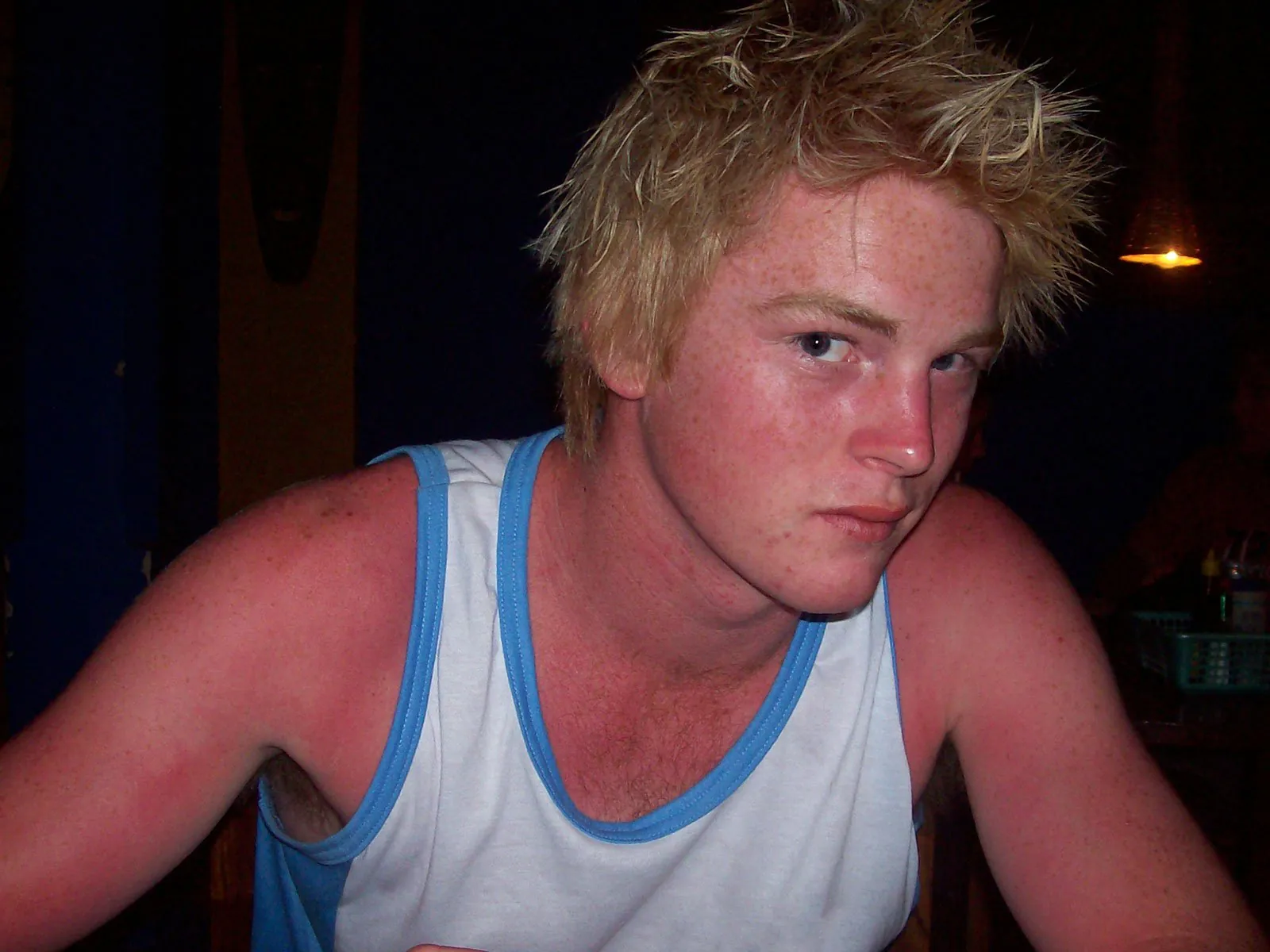
These attitudes are perpetuated by the manosphere, a toxic subculture that encourages ‘alpha male’ beliefs and aggression. It’s a challenge Neil is determined to take on, and one that he believes is more important than ever.
The night Sam died, Neil received a call that would change his life forever. His son had been at a party, trying to break up a fight, when he was punched and fell to the ground.
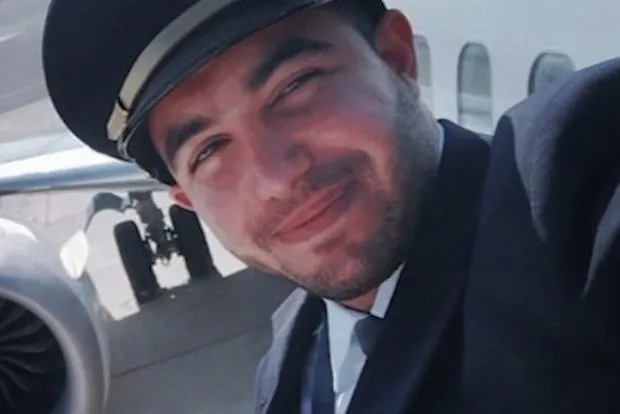

He never got up. “That was the worst night of our lives,” Neil recalls.
“On that night, we said we have to do something to make a difference.”
And so, the Sammy D Foundation was born. Neil has spent the past 18 years delivering a powerful message to young people in schools, sporting clubs, and community groups.
He wants them to know that violence is never the answer, and that it can have devastating consequences. “If more young people had the tools to walk away, Sam might still be here,” he says.
“That’s why this conversation matters. It could save someone’s life.”
The foundation’s work is crucial, and it’s already making a difference.
But Neil knows that there’s still much work to be done.
He believes that parents are getting it wrong, and that they need to take a more proactive approach to teaching their children about the dangers of violence.
“We’ve got to change parents’ perceptions as well,” he says. “If we go into a school and we say…
‘whose parents here have said if someone hits you, you can hit them back?’ And 80 per cent of those kids are putting their hands up and saying yes…
You know, it was only one punch that killed my son.”
Analysis: What This Means for AustraliaThe statistics are alarming, and they have serious implications for Australia’s young men.
The spread of toxic masculinity and the manosphere’s influence on young people is a ticking time bomb, waiting to unleash a new wave of violence and aggression.
It’s a challenge that requires a coordinated response from parents, educators, and community leaders.
Law enforcement officials warn that violence is often a precursor to more serious crimes, and that it’s essential to address the root causes of the problem.
“We need to be proactive in preventing violence, rather than just reacting to it,” says one insider. “It’s a complex issue, but it’s one that we can’t afford to ignore.”
The economic and social consequences of violence are also significant.
According to the Australian Bureau of Statistics Australian Bureau of Statistics, the cost of violence to the Australian economy is estimated to be in the billions of dollars each year.
It’s a staggering figure, and one that highlights the need for a comprehensive approach to addressing the issue. Neil Davis’s work is a testament to the power of one person to make a difference.
His dedication to the Sammy D Foundation is inspiring, and his message is one that resonates with young people across the country.
As he says, “Our programs are designed to counter the unhealthy messages that boys and young men receive, both online and in the real world, and to have real conversations about what it means to be a man.
It works, and it saves lives.”
Security analysts say that the spread of toxic masculinity and the manosphere’s influence on young people is a national security issue, one that requires a coordinated response from law enforcement agencies and community leaders.
“We need to be aware of the potential for violence and take steps to prevent it,” says one expert.
“It’s a complex issue, but it’s one that we can’t afford to ignore.”
Industry observers believe that the Sammy D Foundation’s work is crucial in addressing the root causes of violence.
“It’s a fantastic initiative, and one that has the potential to make a real difference,” says one insider.
“We need more programs like this, and we need to support them with funding and resources.”
As Neil Davis says, “We know we’re not going to change everyone’s minds, but if we change enough, it’s going to be a safer world for everyone to live in.” It’s a message that resonates with young people across the country, and one that has the potential to save lives.
Neil Davis’s words are a stark reminder of the devastating consequences of violence. His son Sam, just 17 years old, was taken from him in an instant – a victim of a senseless one-punch assault. It’s a pain no parent should ever have to endure, and one that has driven Neil to dedicate his life to preventing similar tragedies.
The shocking statistics speak for themselves: two out of three Australian men believe there’s no choice but to get physical in certain situations, while 70 per cent think violence is acceptable if the other person starts it. These attitudes are perpetuated by the manosphere, a toxic subculture that encourages ‘alpha male’ beliefs and aggression. It’s a challenge Neil is determined to take on, and one that he believes is more important than ever.
The night Sam died, Neil received a call that would change his life forever. His son had been at a party, trying to break up a fight, when he was punched and fell to the ground. He never got up. “That was the worst night of our lives,” Neil recalls. “On that night, we said we have to do something to make a difference.”
And so, the Sammy D Foundation was born. Neil has spent the past 18 years delivering a powerful message to young people in schools, sporting clubs, and community groups. He wants them to know that violence is never the answer, and that it can have devastating consequences. “If more young people had the tools to walk away, Sam might still be here,” he says. “That’s why this conversation matters. It could save someone’s life.”
The foundation’s work is crucial, and it’s already making a difference. But Neil knows that there’s still much work to be done. He believes that parents are getting it wrong, and that they need to take a more proactive approach to teaching their children about the dangers of violence. “We’ve got to change parents’ perceptions as well,” he says. “If we go into a school and we say… ‘whose parents here have said if someone hits you, you can hit them back?’ And 80 per cent of those kids are putting their hands up and saying yes… You know, it was only one punch that killed my son.”
The statistics are alarming, and they have serious implications for Australia’s young men. The spread of toxic masculinity and the manosphere’s influence on young people is a ticking time bomb, waiting to unleash a new wave of violence and aggression. It’s a challenge that requires a coordinated response from parents, educators, and community leaders.
Law enforcement officials warn that violence is often a precursor to more serious crimes, and that it’s essential to address the root causes of the problem. “We need to be proactive in preventing violence, rather than just reacting to it,” says one insider. “It’s a complex issue, but it’s one that we can’t afford to ignore.”
The economic and social consequences of violence are also significant. According to the Australian Bureau of Statistics , the cost of violence to the Australian economy is estimated to be in the billions of dollars each year. It’s a staggering figure, and one that highlights the need for a comprehensive approach to addressing the issue.
Neil Davis’s work is a testament to the power of one person to make a difference. His dedication to the Sammy D Foundation is inspiring, and his message is one that resonates with young people across the country. As he says, “Our programs are designed to counter the unhealthy messages that boys and young men receive, both online and in the real world, and to have real conversations about what it means to be a man. It works, and it saves lives.”
Security analysts say that the spread of toxic masculinity and the manosphere’s influence on young people is a national security issue, one that requires a coordinated response from law enforcement agencies and community leaders. “We need to be aware of the potential for violence and take steps to prevent it,” says one expert. “It’s a complex issue, but it’s one that we can’t afford to ignore.”
Industry observers believe that the Sammy D Foundation’s work is crucial in addressing the root causes of violence. “It’s a fantastic initiative, and one that has the potential to make a real difference,” says one insider. “We need more programs like this, and we need to support them with funding and resources.”
As Neil Davis says, “We know we’re not going to change everyone’s minds, but if we change enough, it’s going to be a safer world for everyone to live in.” It’s a message that resonates with young people across the country, and one that has the potential to save lives.