Dave Hughes Blows Whistle on Government’s ‘Insane’ Tax Changes: ‘It’s a Betrayal of the People’
- Comedian Dave Hughes reveals his own horror story of losing money in the share market using a margin loan, and how it taught him a valuable lesson about risk and reward.
- Hughes slams the government’s new tax changes, calling them “insane” and a “betrayal of the people” who were misled before the election.
- The 55-year-old comedian argues that the changes will discourage young people from investing and building wealth, and will ultimately hurt the economy.
- Hughes also blasts the government’s spending habits, saying they should focus on reining in spending rather than increasing taxes.
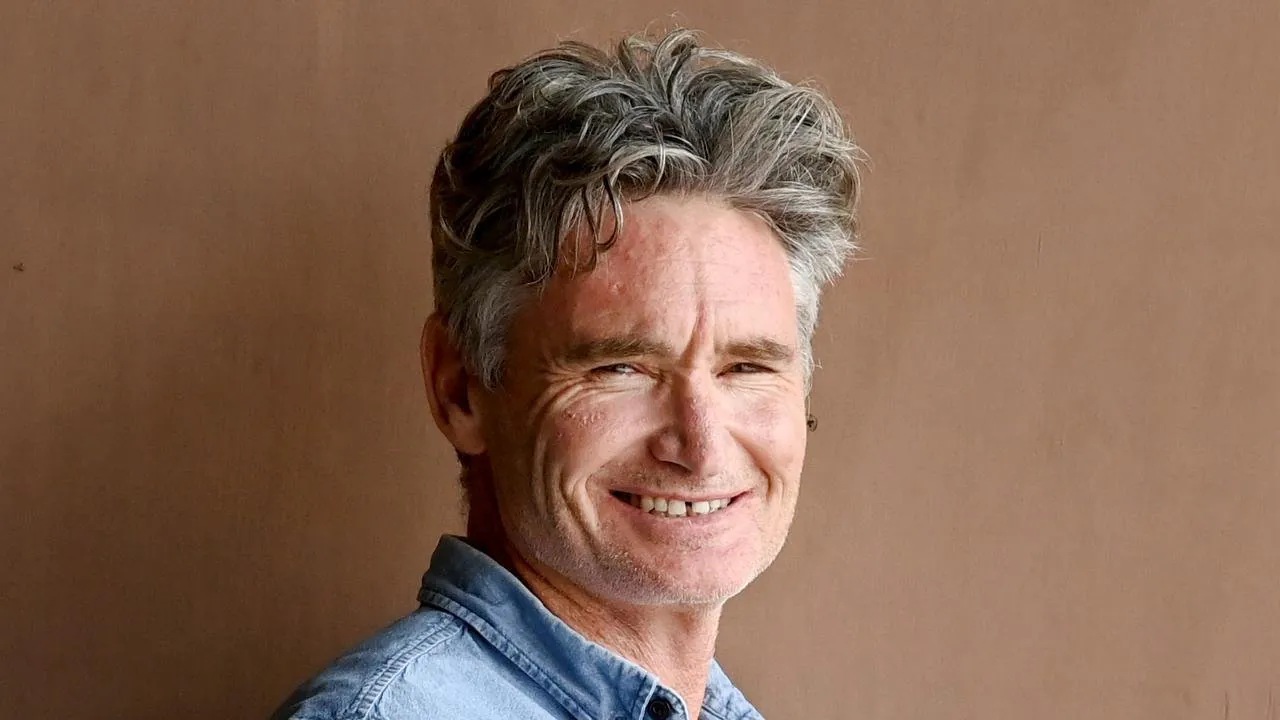
Dave Hughes has never been one to shy away from speaking his mind, and his latest rant about the government’s tax changes is no exception.
The comedian and TV personality has been making headlines recently for his daily videos on social media, where he’s been vocal about his opposition to the new tax laws.
But what many people may not know is that Hughes has a personal connection to the issue, having lost a significant amount of money in the share market using a margin loan back in 2008.
Hughes revealed on Mark Bouris’ Straight Talk podcast that he had taken out a margin loan to invest in shares just before the Global Financial Crisis hit.
The bank had encouraged him to take out the loan, promising that he could pay back just the interest and that the share market would continue to rise.

But when the GFC hit, Hughes found himself in a desperate situation, with the bank calling him demanding that he pay back the loan. “I was shell-shocked,” he said.
“I was able to pay off the loan, but I didn’t even look at my portfolio for four or five years. It just hurt me.”
Despite the setback, Hughes eventually returned to the share market, but this time he did it with his own money. He invested in realestate.com.au when it was just starting out, and was thrilled to see the value of his shares skyrocket.
But now, with the government’s new tax changes, Hughes is worried that young people will be discouraged from investing and building wealth. “My son now buys a $50 or $60 BHP share,” he said.
“If it doubles in value, he has to pay 30 per cent tax on the profits of that share. That is just discouraging any kid from building wealth.”
Hughes believes that the government’s tax changes are a “betrayal of the people” who were misled before the election. “I voted for Albo and I like the guy,” he said.
“But then because he’d said he wasn’t going to change CGT…
The CGT one, I think, was a real betrayal of the people.” Hughes is also angry about the government’s spending habits, saying that they should focus on reining in spending rather than increasing taxes.
“I think that is a way to boost the economy and to give people a chance to make their own way rather than the government taking like $12,000 of that $50,000 off them,” he said.
Analysis: What This Means for Australia
The government’s tax changes have significant implications for Australia’s economy and its people. By increasing taxes on investments, the government is discouraging people from taking risks and building wealth.
This could have long-term consequences for the country’s economic growth and competitiveness. As Hughes pointed out, the changes will also hurt young people who are trying to get ahead.
“Hardworking people are angry — no matter their ethnicity, or religion, or anything else,” he said. “They’re angry because their life is really expensive for them now and they feel like the government aren’t taking it seriously.”
Security analysts say that the government’s tax changes could also have national security implications. By discouraging investment and economic growth, the country could become more vulnerable to economic shocks and instability.
“The government’s tax changes are a recipe for disaster,” said one analyst. “They’re going to hurt the economy and make us more vulnerable to external threats.”
Law enforcement insiders also warn that the tax changes could lead to an increase in financial crime. “When people feel like they’re being squeezed by the government, they’re more likely to turn to crime,” said one insider.
“The government needs to be careful about the unintended consequences of their policies.”
Industry observers believe that the government’s tax changes are a sign of a deeper problem — a lack of understanding about how the economy works. “The government seems to think that they can just tax their way to prosperity,” said one observer.
“But that’s not how it works. They need to focus on creating an environment that encourages investment and growth, not stifles it.”