Hundreds of Jobs to Go as Ashton Coal Mine Closure Looms: What This Means for the Future of Australia’s Coal Industry
- More than 300 jobs will be lost as Yancoal’s Ashton mine in the New South Wales Upper Hunter begins a staged closure in 2027.
- The mine’s impending closure has been attributed to significant technical challenges, operational risks, and poor market conditions.
- The Mining and Energy Union (MEU) has vowed to support affected workers and their families, while calling on Yancoal to provide redeployment opportunities and fair compensation.
- The closure of the Ashton mine is the latest blow to the Upper Hunter region, which is already facing the impending closure of the Mount Arthur mine in the near future.
The news that the Ashton Coal Mine in the New South Wales Upper Hunter will cease operations in 2028 has sent shockwaves through the local community, with hundreds of jobs set to be lost over the next 18 months.
The mine’s owner, Yancoal, has cited significant technical challenges and operational risks, combined with poor market conditions, as the reason for the closure. But what does this mean for the future of Australia’s coal industry, and how will it impact the local community?
The Ashton mine has been a major employer in the region, with over 300 people currently working at the site. The mine’s closure will not only affect those directly employed by Yancoal but also have a ripple effect on the local supply chain and community.
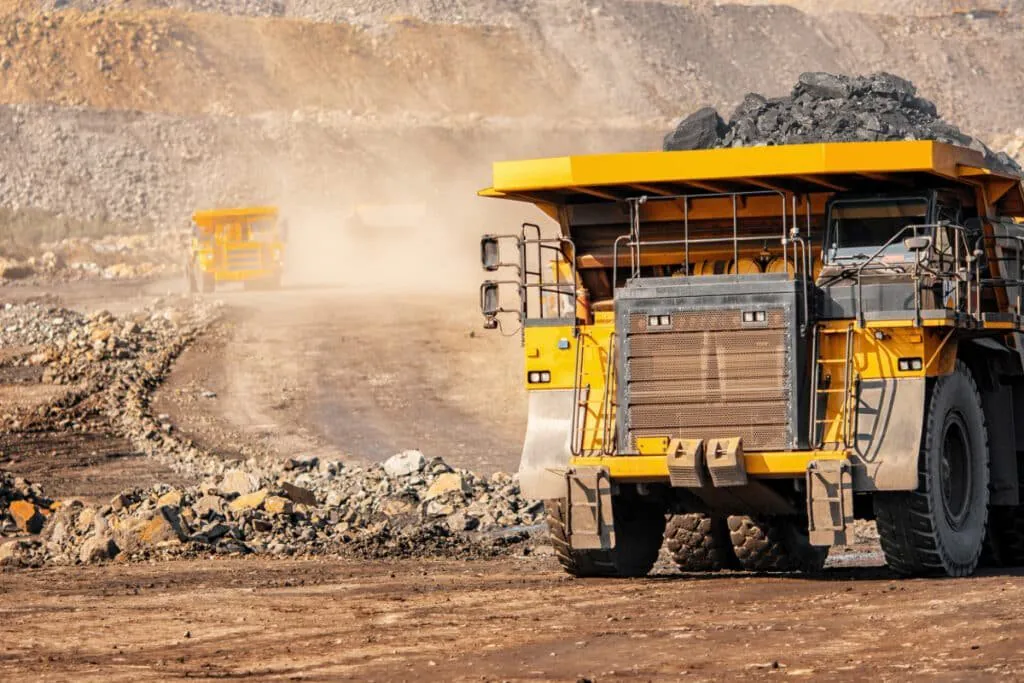
As NSW Upper Hunter MP Dave Layzell noted, “Behind every single one of those jobs is usually a family who’s supported by that work.” The closure of the mine will have far-reaching consequences for the local economy and community, and it’s not just the immediate job losses that are a concern.
The closure of the Ashton mine is the latest in a series of blows to the Upper Hunter region, which is already facing the impending closure of the Mount Arthur mine in the near future.




The region has long been reliant on the coal industry, and the loss of these jobs will have a significant impact on the local economy. The MEU has vowed to support affected workers and their families, while calling on Yancoal to provide redeployment opportunities and fair compensation.
But with the coal industry facing significant challenges, including declining demand and increasing competition from renewable energy sources, it’s unclear what the future holds for the region.
Analysis: What This Means for AustraliaThe closure of the Ashton mine is a stark reminder of the challenges facing Australia’s coal industry.
As the world moves towards cleaner, more sustainable energy sources, the demand for coal is declining. This, combined with increasing competition from other countries, has made it difficult for Australian coal mines to remain viable.
The closure of the Ashton mine will not only have a significant impact on the local community but also raise questions about the long-term sustainability of the coal industry in Australia.
The Australian government has pledged to support the transition of workers in the coal industry to new roles, but it’s unclear what this will look like in practice.
The MEU has called on the government to provide more support for workers in the industry, including training and upskilling programs. However, with the coal industry facing significant challenges, it’s unclear what the future holds for workers in the sector.
Security analysts say that the closure of the Ashton mine highlights the need for a diversified economy in the Upper Hunter region. The region has long been reliant on the coal industry, and the loss of these jobs will have a significant impact on the local economy.
The government needs to invest in new industries and provide support for workers to transition to new roles. This will not only help to mitigate the impact of the mine’s closure but also ensure the long-term sustainability of the region.
The closure of the Ashton mine is a wake-up call for Australia’s coal industry. As the world moves towards cleaner, more sustainable energy sources, the demand for coal is declining.
The government needs to take action to support workers in the industry and invest in new technologies and industries. Only then can we ensure a sustainable future for the Upper Hunter region and the coal industry as a whole.
The news that the Ashton Coal Mine in the New South Wales Upper Hunter will cease operations in 2028 has sent shockwaves through the local community, with hundreds of jobs set to be lost over the next 18 months. The mine’s owner, Yancoal, has cited significant technical challenges and operational risks, combined with poor market conditions, as the reason for the closure. But what does this mean for the future of Australia’s coal industry, and how will it impact the local community?
The Ashton mine has been a major employer in the region, with over 300 people currently working at the site. The mine’s closure will not only affect those directly employed by Yancoal but also have a ripple effect on the local supply chain and community. As NSW Upper Hunter MP Dave Layzell noted, “Behind every single one of those jobs is usually a family who’s supported by that work.” The closure of the mine will have far-reaching consequences for the local economy and community, and it’s not just the immediate job losses that are a concern.
The closure of the Ashton mine is the latest in a series of blows to the Upper Hunter region, which is already facing the impending closure of the Mount Arthur mine in the near future. The region has long been reliant on the coal industry, and the loss of these jobs will have a significant impact on the local economy. The MEU has vowed to support affected workers and their families, while calling on Yancoal to provide redeployment opportunities and fair compensation. But with the coal industry facing significant challenges, including declining demand and increasing competition from renewable energy sources, it’s unclear what the future holds for the region.
The closure of the Ashton mine is a stark reminder of the challenges facing Australia’s coal industry. As the world moves towards cleaner, more sustainable energy sources, the demand for coal is declining. This, combined with increasing competition from other countries, has made it difficult for Australian coal mines to remain viable. The closure of the Ashton mine will not only have a significant impact on the local community but also raise questions about the long-term sustainability of the coal industry in Australia.
The Australian government has pledged to support the transition of workers in the coal industry to new roles, but it’s unclear what this will look like in practice. The MEU has called on the government to provide more support for workers in the industry, including training and upskilling programs. However, with the coal industry facing significant challenges, it’s unclear what the future holds for workers in the sector.
Security analysts say that the closure of the Ashton mine highlights the need for a diversified economy in the Upper Hunter region. The region has long been reliant on the coal industry, and the loss of these jobs will have a significant impact on the local economy. The government needs to invest in new industries and provide support for workers to transition to new roles. This will not only help to mitigate the impact of the mine’s closure but also ensure the long-term sustainability of the region.