Queensland’s ‘Devastating’ Fertility Clinic Guidance Leaves Same-Sex Couples in Limbo: ‘It’s Like We’re Not a Family’
- Queensland Health’s new guidance on fertility clinics has left same-sex couples reeling, with some being told they are no longer considered the same family.
- The advice, issued in February, considers two women who both carry a baby using the same sperm donor to be two separate families, sparking outrage among advocates.
- Couples who have already started the process of having a child are now facing uncertainty and potential heartache as they try to navigate the complex system.
- Experts say the guidance misinterprets the law and are calling on the Queensland government to clarify the situation.
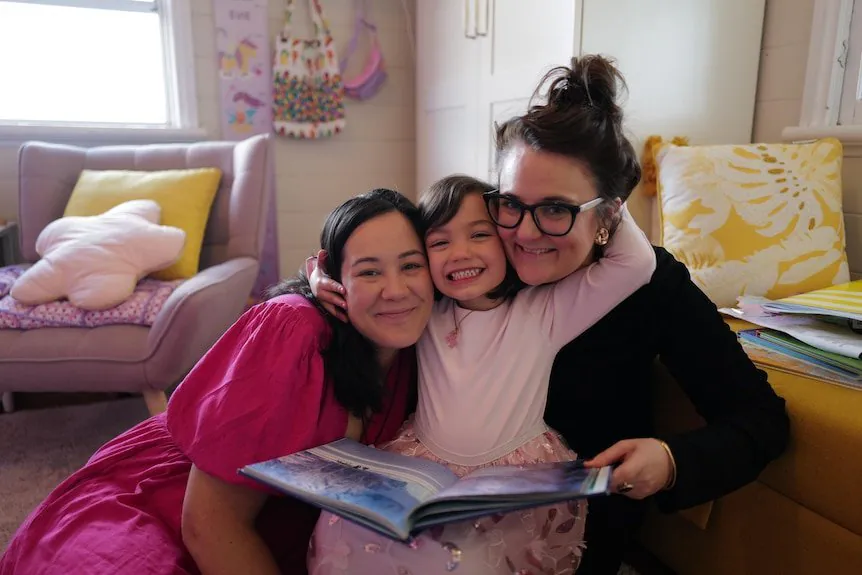
Kate Cantrell and her fiancée Jessie Fraher thought they had finally found a way to start their family. After welcoming their daughter Evie in 2022, they began making plans to conceive their second child using the same sperm donor.
But when they reached out to their fertility clinic earlier this year, they were met with devastating news: they were no longer considered the same family.
The clinic’s advice fell in line with updated Queensland Health guidance, which considers same-sex couples who both carry a pregnancy as two families for the purpose of calculating the family limit.
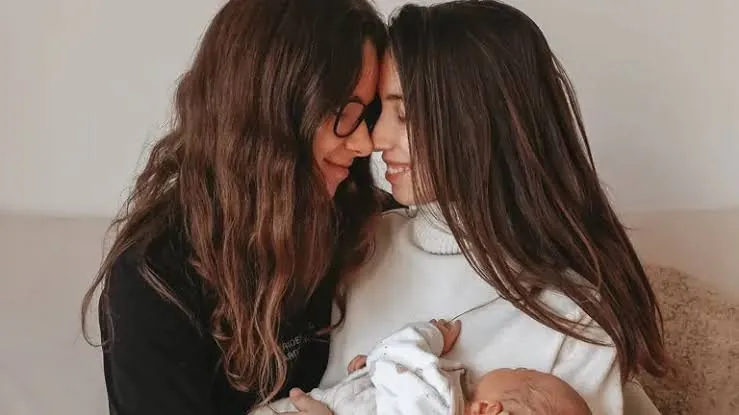
This means that if Ms Cantrell wanted to carry their next baby, she would require her own “family spot”, and unfortunately, there were none available with their existing donor.
Ms Cantrell said the news was shocking and felt like a betrayal. “I think it’s incredibly unfair,” she said.


“We’ve already gone through so much to have our daughter, and now we’re being told that we’re not even considered the same family.”
The situation has left the couple feeling uncertain and anxious about their future. “It’s like we’re not a family,” Ms Fraher said.
“We’re just two individuals who happen to have a child together. It’s devastating.”
Family creation lawyer Sarah Jefford says the guidance is a misinterpretation of the law. “The legislation is very clear,” she said.
“It’s per family. However, the government has issued a notice to say that it should be two allocations, one per woman.
This is causing problems, particularly for lesbian couples.”
Equality director at Rainbow Families Australia, Heather Corkhill, agrees. “The laws were explicitly drafted to avoid discrimination against same-sex couples,” she said.
“We’re not two single people with children, and so it is important that the donor limit is set by family unit, not perhaps by woman or by the number of children created, because otherwise it indirectly discriminates against our families.”
Analysis: What This Means for Australia
The situation in Queensland highlights a broader issue with the country’s fertility laws. While the laws are designed to support same-sex couples, the guidance issued by Queensland Health has created confusion and uncertainty.
This has serious implications for same-sex couples who are trying to start a family.
Security analysts say that the guidance has the potential to create a “hostile environment” for same-sex couples. “It’s not just about the law,” one analyst said.
“It’s about the message it sends to same-sex couples. It’s like they’re not valued or recognized as a family.”
Law enforcement insiders warn that the situation could lead to a rise in ” DIY” fertility treatments, where couples take matters into their own hands, potentially putting their health and safety at risk.
Industry observers believe that the situation highlights the need for greater clarity and consistency in fertility laws across the country. “It’s a complex issue, but it’s one that needs to be addressed,” one observer said.
“We need to make sure that same-sex couples have access to the same rights and opportunities as everyone else.”
As the situation in Queensland continues to unfold, it remains to be seen how the government will respond. One thing is certain, however: same-sex couples will continue to fight for their rights and for recognition as families.
same-sex couples fertility laws Queensland Health Rainbow Families Australia Australian Bureau of Statistics