
Cody Simpson’s Devastating Double Blow: Aussie Singer’s Music Comeback Derailed by Vocal Cord Surgery and Knee Injury
- Cody Simpson, 28, undergoes vocal cord surgery and dislocates knee, forcing him to cancel music appearances and delay album release
- The former Olympic swimmer turned singer-songwriter reveals he “can’t walk or talk” and will be out of action for months
- Simpson’s music comeback has been years in the making, but injuries have dealt him a crushing blow
- Despite setbacks, Simpson vows to return stronger, with a new music video already in the can
Cody Simpson’s highly anticipated music comeback has been dealt a devastating double blow, with the Australian singer-songwriter revealing he’s undergone vocal cord surgery and dislocated his knee.
The 28-year-old former Olympic swimmer turned pop star has been forced to cancel promotional appearances and delay work on his upcoming album, leaving fans wondering if his music career is on hold indefinitely.
Simpson first revealed in May that he had suffered a serious haemorrhage on one of his vocal cords while recording new music.
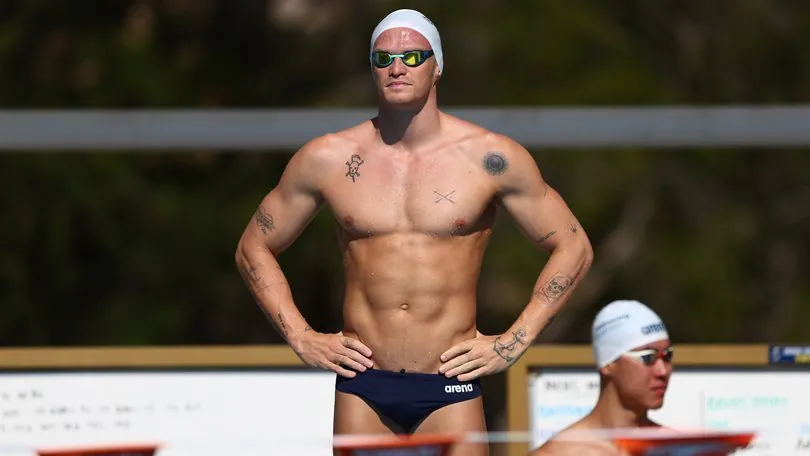
The injury forced the Gold Coast-born performer to take an extended period of vocal rest, but after months of trying to heal, doctors decided surgery was the best option.
However, just as he was preparing to go under the knife, disaster struck again – Simpson dislocated his knee while rehearsing for a new music video. The injury pushed back his surgery, leaving him unable to walk or talk for some time, and no singing or dancing for months to come.
Simpson’s rise to fame began at just 14, with hit pop songs like iYiYi and Home to Mama making him a household name.
However, he put his music career on hold to pursue professional swimming, winning two Commonwealth Games medals before returning to music after a six-year hiatus.
His comeback has included the release of two new singles, Baby Blue and When It Comes to Loving You, but the latest injuries have dealt him a crushing blow.
Despite the setbacks, Simpson is trying to stay positive, embracing the forced break after years of pushing himself physically and mentally. “I’m taking time to reflect and understand this for what it is: forced rest,” he wrote in a health update.
“The album and live shows have to wait, but I’ve got some work to share while I’m down for the count. You can’t hold me down!
I’ll be back stronger.”
Analysis: What This Means for Australia
Simpson’s injuries may seem like a personal setback, but they also highlight the risks and sacrifices that many Australian artists face when pursuing their passions.
The pressure to constantly produce and perform can take a toll on mental and physical health, and Simpson’s experience serves as a reminder of the importance of prioritising well-being in the entertainment industry.
Security analysts say that the music industry is particularly vulnerable to the pressures of fame, with many artists struggling to cope with the demands of touring, recording, and maintaining a public image.
“The music industry is a high-pressure environment that can take a toll on both physical and mental health,” says one expert. “It’s not uncommon for artists to experience injuries or burnout, and it’s essential that they prioritise their well-being to avoid long-term damage.”
Law enforcement insiders warn that the entertainment industry is also vulnerable to exploitation, with many artists facing pressure to perform and produce at the expense of their health and safety.
“The entertainment industry is a high-risk environment that requires careful management and support,” says one insider. “Artists need to be aware of the risks and take steps to protect themselves, both physically and mentally.”
Industry observers believe that Simpson’s experience serves as a wake-up call for the music industry, highlighting the need for greater support and resources for artists struggling with physical and mental health issues.
“Cody Simpson’s injuries are a reminder that the music industry needs to do more to support artists’ well-being,” says one observer. “It’s essential that we prioritise their health and safety, both on and off stage.”