Beachgoers Rejoice: Randwick Council Rejects Plan to Introduce Hundreds of Parking Meters at Sydney’s Popular Eastern Beaches
- A contentious proposal to install 1,400 paid parking spaces at beaches including Clovelly, Coogee, and Maroubra has been rejected by Randwick councillors.
- The plan would have brought in millions of dollars in revenue, but was met with fierce opposition from residents who argued it would unfairly penalise visitors.
- Instead, council staff will now explore alternative solutions to improve parking turnover at the beaches, which attract around 9 million visitors each year.
- The decision means Randwick ratepayers will continue to foot the $23.5 million bill to maintain the beaches, with Mayor Dylan Parker warning that the community will miss out on a vital source of funding.
The sun-kissed beaches of eastern Sydney are a beloved destination for millions of tourists and locals alike, but a plan to introduce hundreds of parking meters at these iconic spots has been met with a resounding rejection from Randwick councillors.
The proposal, which would have seen 1,400 paid parking spaces installed at beaches including Clovelly, Coogee, Maroubra, La Perouse, Little Bay, and Malabar, was voted down by 10 out of 15 councillors at a meeting last night.
At the heart of the debate was the issue of fairness, with many residents arguing that the plan would unfairly penalise visitors who already contribute to the local economy through their spending.
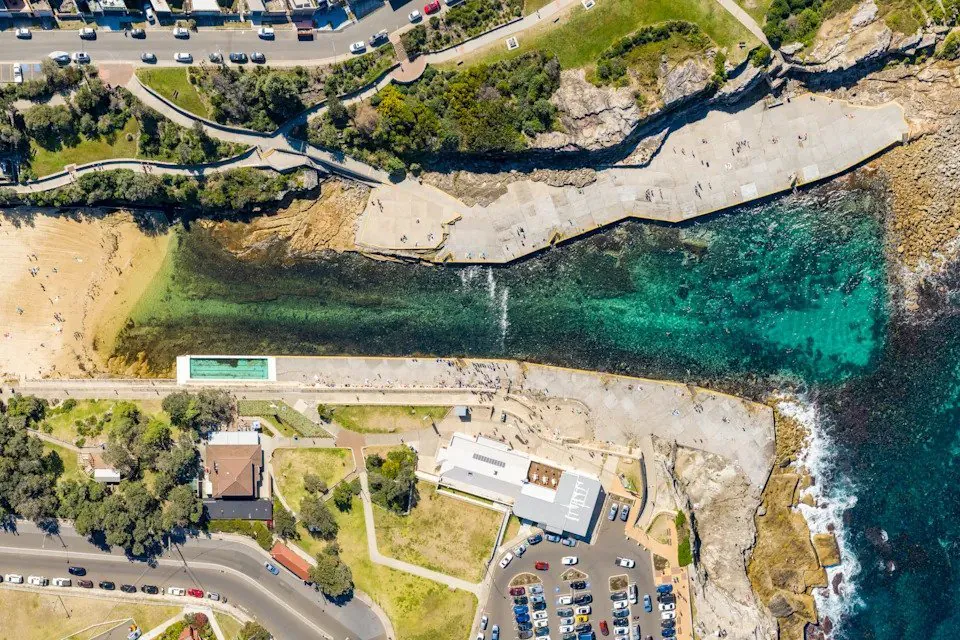
Research has shown that up to 85 per cent of visitors to the council’s beaches are from outside the area, and locals were concerned that the meters would be a deterrent to these visitors.
“The meters suddenly appear in all these other streets, because the strategic approval has been given. That’s what happens,” said Randwick resident Anni Haque, who campaigned against the meters.




The proposal had been amended to include unlimited permits for Randwick residents, but this did little to appease opponents who argued that the meters would be a cash grab by the council.
“I think fundamentally people felt it was not in any way fair,” said Greens councillor Philipa Veitch. “The community was against the idea of visitors being charged while locals could use the beaches for free.”
Analysis: What This Means for Australia
The rejection of the parking meter plan has significant implications for the management of Australia’s popular tourist destinations.
As the country continues to grapple with the challenges of overcrowding and infrastructure strain, councils are under pressure to find innovative solutions to manage visitor numbers and maintain public spaces.
The Randwick council’s decision highlights the need for a more nuanced approach to parking management, one that balances the needs of locals and visitors alike.
Security analysts say that the decision also raises questions about the role of local government in managing public spaces. “Councils have a critical role to play in managing the impact of tourism on local communities,” said one analyst.
“This decision highlights the need for councils to engage with their communities and find solutions that work for everyone.”
Industry observers believe that the decision will have far-reaching consequences for the tourism industry, which is already feeling the pinch of overcrowding and infrastructure strain.
“This decision sends a clear message that councils are willing to listen to their communities and find alternative solutions to managing visitor numbers,” said one industry insider.
“It’s a wake-up call for the industry to think more creatively about how we manage our public spaces.”
As the search for alternative solutions begins, one thing is clear: the people have spoken, and the beaches of eastern Sydney will remain a free and welcoming destination for all.
For now, at least, the sun will continue to shine brightly on these iconic spots, and the sound of the waves will remain uninterrupted by the hum of parking meters.