Tree Felling Fury: 78-Year-Old Activist Defies Magistrate’s Warning, Vows to Continue Protests Against North Adelaide Golf Course Redevelopment
- A 78-year-old activist has been warned by a magistrate that she could face a conviction if she continues to protest the felling of trees at the North Adelaide Golf Course.
- Mij Tanith, a renowned author and playwright, was arrested while protesting the redevelopment but was not convicted or fined due to her previous good behaviour.
- Despite the warning, Tanith has refused to rule out committing the crime again, saying she is “incredibly passionate” about the cause and willing to risk her freedom to stop the “heartbreaking destruction” of the area.
- The state government’s $45 million redevelopment plan aims to host international golf tournaments, including the Australian Open in 2028, but has been met with fierce resistance from activists who claim it will destroy the park’s natural beauty.
The usually tranquil surroundings of the North Adelaide Golf Course have been transformed into a battleground in recent weeks, as a fierce debate rages over the state government’s decision to fell almost 600 trees as part of a major redevelopment.
For 78-year-old activist Mij Tanith, the issue is personal – and she’s willing to risk her freedom to fight for what she believes in.
Tanith, a respected author and playwright, was arrested on May 15 while protesting the tree felling, which has largely concluded.

Despite pleading guilty to a charge of being unlawfully on premises, she was not convicted or fined by Magistrate Ben Sale, who took into consideration her previous good behaviour and the 90 minutes she spent in custody.
However, the magistrate’s leniency came with a warning: if Tanith were to commit the crime again, she could face a conviction, which could have serious consequences for her future, including travel restrictions.

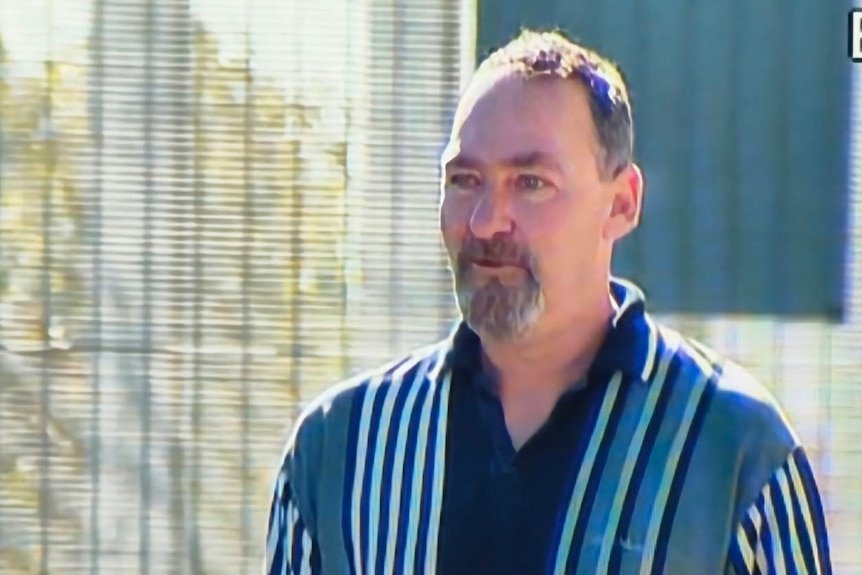


But Tanith remains undeterred, saying outside court that she would not rule out committing the crime again if it means stopping the destruction of the park.
“I feel incredibly passionate about this, probably more passionate than I can feel about anything else,” she told reporters. “No, I’m not ruling anything out.” When asked if it would be “worth it”, Tanith replied: “Yes, absolutely.”
The state government’s redevelopment plan aims to transform the golf course into a world-class facility capable of hosting international events, including the Australian Open in 2028 and future LIV Golf tournaments.
However, the project has been met with fierce resistance from activists, who claim it will destroy the park’s natural beauty and lead to the loss of biodiversity.
According to the government, more trees will be planted than removed as part of the redevelopment, but for Tanith and her fellow activists, the damage has already been done.
“We’re all passionate, we’re all committed,” she said. “We’ve come together as a movement and the movement is growing.”
Analysis: What This Means for Australia
The controversy surrounding the North Adelaide Golf Course redevelopment highlights the growing tension between urban development and environmental activism in Australia. As cities across the country continue to expand and redevelop, conflicts over the use of public spaces are becoming increasingly common.
For Tanith and her fellow activists, the fight to save the park is not just about preserving a natural oasis in the heart of the city – it’s about protecting the community’s right to a green and sustainable environment.
Security analysts say that the increasing willingness of activists to engage in direct action, such as Tanith’s decision to break through fencing and enter the golf course, highlights the need for more effective community engagement and consultation in urban development projects.
“When people feel that their voices are not being heard, they will take matters into their own hands,” said one analyst. “It’s essential that governments and developers listen to community concerns and work to find solutions that balance economic and environmental needs.”
Law enforcement insiders warn that the rising tide of environmental activism could lead to increased tensions between police and protesters, particularly if activists continue to engage in direct action.
“We need to find ways to de-escalate these situations and address the underlying concerns of the community,” said one insider. “It’s not just about enforcing the law – it’s about building trust and finding solutions that work for everyone.”