Bird Flu Outbreak Spreads to NSW: ‘Devastating Impact’ Feared as Deadly H5 Strain Hits Australia’s East Coast
- A suspected case of H5 bird flu has been identified in a giant petrel near Hawks Nest on NSW’s Mid North Coast, sparking fears of a wider outbreak.
- The deadly H5 strain has already spread to Western Australia, with four confirmed cases and a suspected case in a dead giant petrel found near Perth.
- Australia’s chief veterinary officer warns of a “devastating impact” if the virus spreads, with 50 species of mammals and numerous bird species affected globally.
- The federal government has invested $113 million to mitigate the risk, with increased surveillance and testing underway in NSW and WA.
The discovery of a suspected case of H5 bird flu in a giant petrel near Hawks Nest on NSW’s Mid North Coast has sent shockwaves across the country, with fears of a wider outbreak spreading to the east coast.
The deadly H5 strain has already claimed numerous victims in Western Australia, with four confirmed cases and a suspected case in a dead giant petrel found near Perth.
NSW Agricultural Minister Tara Moriarty confirmed the suspected case, stating that the bird was wild and had flown in from “other parts of the world”. The bird was identified by a member of the public who noticed it was ill, and samples have been sent to the CSIRO for confirmation.
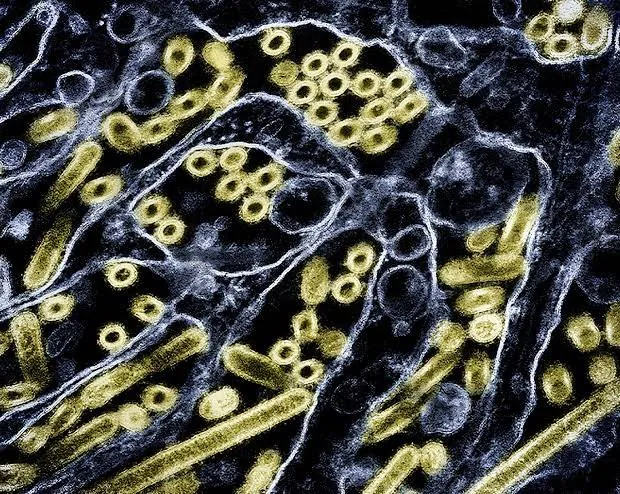
“We don’t know yet if it is the worst strain of the virus,” Ms Moriarty warned.
The NSW government has urged anyone who sees unusual deaths or illness in wild birds to avoid contact, record videos and pictures, and report to the Emergency Animal Disease hotline on 1800 675 888.




WA Agriculture Minister Jackie Jarvis has also announced increased beach patrols and testing in wetlands to assist with surveillance.
The H5 strain of avian influenza, known as H5N1 2.3.4.4b, has spread quickly across the world through the movement of wild birds, causing mass mortality in poultry and sea mammals globally.
Australia’s chief veterinary officer, Jo Coombe, warned of a “devastating impact” if the virus spreads, with 50 species of mammals and numerous bird species affected globally.
Analysis: What This Means for Australia
The spread of H5 bird flu to NSW raises serious concerns for the country’s biosecurity and the potential impact on the commercial poultry industry. While the risk to human health remains low, the virus has already demonstrated its ability to spread rapidly across the globe, causing widespread destruction.
The federal government’s $113 million investment in mitigation measures is a welcome step, but more needs to be done to ensure the country is prepared for a potential outbreak.
Security analysts warn that the spread of H5 bird flu highlights the vulnerability of Australia’s biosecurity systems, particularly in the face of climate change and increased global connectivity.
“The fact that the virus has already spread to multiple states and territories demonstrates the need for a coordinated national response,” said one expert.
Law enforcement insiders also warn that the black market trade in exotic birds and poultry products could exacerbate the spread of the virus, highlighting the need for increased surveillance and enforcement.
Industry observers believe that the commercial poultry industry is well-prepared for a potential outbreak, with strict biosecurity measures in place. However, the spread of H5 bird flu to NSW raises concerns about the potential impact on the industry and the need for increased vigilance.
As the situation continues to unfold, Australians are urged to remain vigilant and report any suspicious activity to the authorities.
With the deadly H5 strain now on the country’s doorstep, it’s more important than ever to take biosecurity seriously and protect the nation’s wildlife and agricultural industries.