EXPOSED: The $2.4 Million Money Laundering Scandal That Threatens to Destroy the Reputation of Sydney’s Construction Industry
- A 45-year-old man is accused of using his construction business as a front to launder millions of dollars for a notorious organised crime group.
- The alleged scheme involved paying staff with cash from the syndicate and using legitimate business earnings to pay the group with fake invoices.
- The man faces up to 12 years in prison if convicted of dealing with the proceeds of crime worth over $1 million.
- The investigation is part of a larger crackdown on money laundering in Australia, which authorities say fuels further criminal activity and negatively impacts the community.
The construction industry in Sydney’s North Shore has been rocked by a shocking money laundering scandal, with a 45-year-old man accused of using his business as a front to launder over $2.4 million for a notorious organised crime group.
The alleged scheme, which spanned over a year, involved paying staff with cash from the syndicate and using legitimate business earnings to pay the group with fake invoices.
The man was arrested at his home in Killara on Friday, following a joint investigation by the NSW and Australian Federal Police (AFP) that began in December.

He has been charged with one count of dealing with the proceeds of crime worth over $1 million, and faces up to 12 years in prison if convicted.
The investigation was launched after the man was allegedly linked to a group of four men accused of laundering $150 million in an allegedly separate plot.
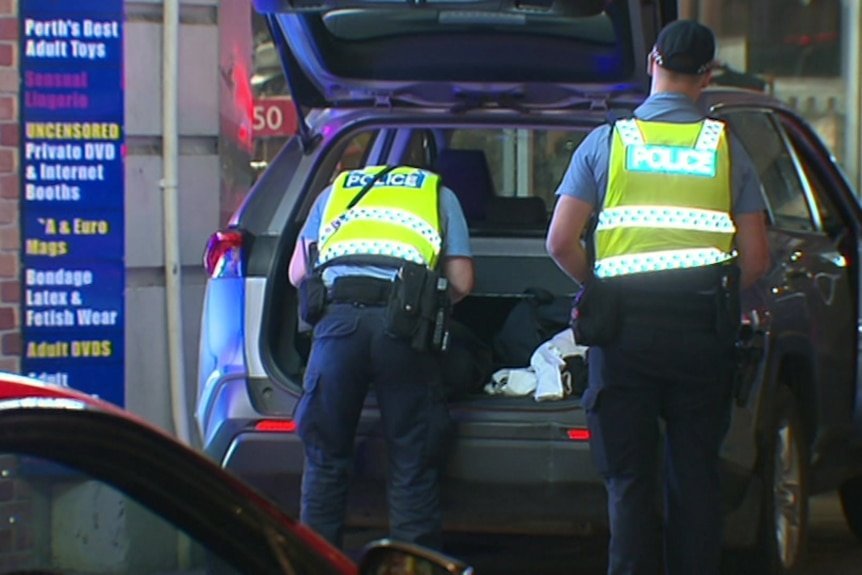


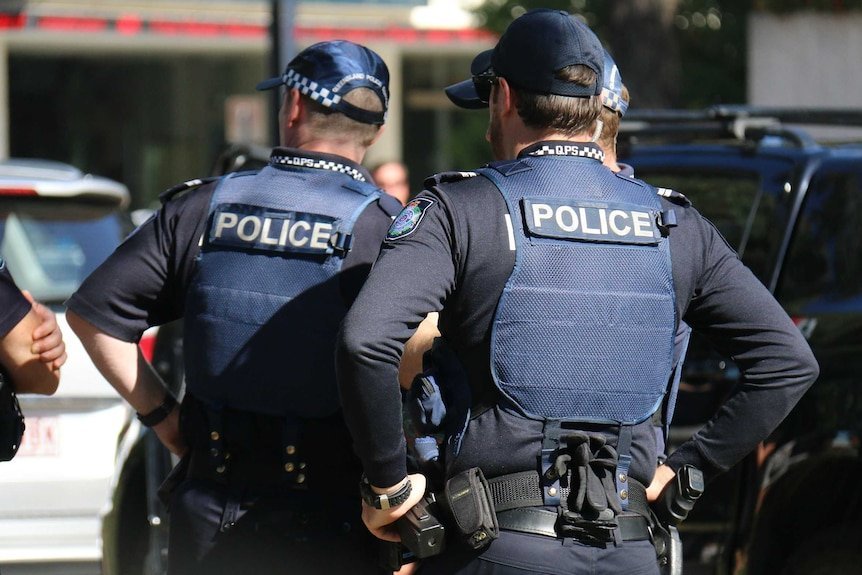
Those men remain before the courts, and authorities say the latest arrest is a significant blow to the organised crime group’s operations.
AFP Detective Acting Superintendent Dan Burnicle said investigations into alleged money laundering are inherently difficult and negatively impact the broader community.
“We allege this man used his own business as a front to launder dirty cash and avoid taxes, which enabled the money laundering syndicate to keep up their services for organised crime,” Burnicle said.
“Laundering any form of illicit cash is a criminal offence and fuels further criminal activity which negatively impacts the community, such as drug trafficking and cybercrime.”
Analysis: What This Means for Australia
The money laundering scandal has significant implications for Australia’s national security and law enforcement.
The alleged use of a legitimate business as a front for organised crime activity highlights the need for increased scrutiny of the construction industry and other sectors that are vulnerable to money laundering.
Security analysts say the case demonstrates the sophisticated methods used by organised crime groups to launder money and avoid detection. “This is a classic example of how organised crime groups use legitimate businesses to hide their illicit activities,” said one expert.
Law enforcement insiders warn that the case is just the tip of the iceberg, and that more needs to be done to tackle the root causes of money laundering in Australia.
“We need to do more to disrupt the business models of organised crime groups and prevent them from using legitimate businesses to launder their dirty cash,” said one source.
The case also raises questions about the effectiveness of Australia’s anti-money laundering laws and regulations. Industry observers believe that more needs to be done to strengthen the laws and ensure that businesses are complying with their obligations.
As the investigation continues, one thing is clear: the money laundering scandal has dealt a significant blow to the reputation of Sydney’s construction industry, and it will take time to rebuild trust.