
Russia’s Sinister Plan to Spark War with NATO: Leaked Intel Reveals Plot to Freeze Ukraine Aid and Embroil Poland in Conflict
- Russia is planning a shock armed provocation against Poland, with sources warning of a potential attack in a matter of months that could draw in NATO and escalate the Ukraine war.
- The Kremlin’s alleged plan involves a “hybrid attack” on Poland’s border region, disguised as a mistake or accident, to justify a military incursion and spark diplomatic crisis talks.
- Intelligence officials warn that Russia’s ultimate goal is to freeze Western military aid to Ukraine, with Vladimir Putin seeking to frame a negotiated troop withdrawal as a victory for Moscow.
The threat of war is looming large over Eastern Europe, with Russia’s aggressive posturing sparking alarm bells in Poland and beyond.
According to leaked intelligence reports, Moscow is planning a daring armed provocation against Poland, one that could draw in NATO and escalate the already devastating conflict in Ukraine.
The warning to Poland came from the United States, which has been keeping a watchful eye on Russia’s military manoeuvres.
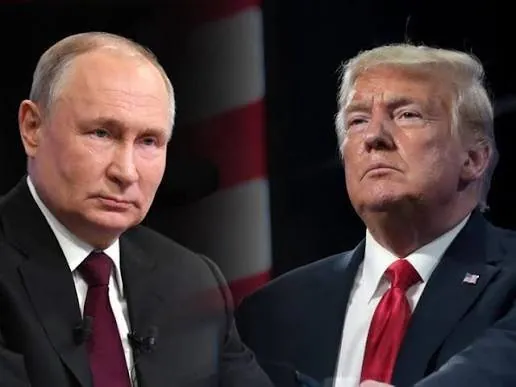
Sources close to Polish president Karol Nawrocki revealed that Washington has been “systematically informing Poland about ever-new Russian plans for a conventional attack on NATO’s eastern flank, from which Poland is by no means excluded”.
A Polish intelligence source painted a chilling picture of a potential “hybrid attack in the border region”, involving Russian or Belarusian troops crossing into NATO territory under the guise of a mistake or accident.
The scenario could involve a GPS failure or a malfunctioning helicopter that then has to be rescued by troops, sparking a wider conflict.
But what’s driving Russia’s aggressive behaviour?
According to intelligence sources, the Kremlin believes that Washington would pressure Warsaw into diplomatic talks rather than launching a military counteroffensive against Russian or Belarusian forces.
This would give Putin the upper hand, allowing him to frame a negotiated troop withdrawal as a victory for Moscow.
In exchange for standing down, Russia would likely demand that the West halt its military and financial support for Ukraine. This would be a devastating blow to Kyiv’s efforts to resist Russian aggression, and could embolden Putin to pursue further expansionist ambitions.
The threat extends far beyond Poland’s borders, with Baltic intelligence officials warning of similar border provocations in their region. They point to the heavily militarised Russian exclave of Kaliningrad, situated north of Poland, as a potential launchpad for operations.
Recent months have seen a surge in Russian aggression, with Moscow frequently sending military jets and drones to test the perimeter of NATO’s defensive network.
The International Institute for Strategic Studies has documented 144 unconfirmed drone incursions across the continent between 2024 and 2026, tracking flights over several NATO countries including the UK, Germany, France, Denmark, Belgium, and the Netherlands.
These operations have repeatedly interfered with commercial airline flights while probing Allied air defences. The institute has also revealed that Russia has likely been deploying “shadow ships” to launch surveillance drones over European territory.
Analysis: What This Means for Australia
The escalating tensions between Russia and NATO have significant implications for Australia’s national security. As a key player in the Five Eyes intelligence alliance, Australia is deeply invested in the security of its Western partners.
If Russia were to succeed in its plans to freeze Western aid to Ukraine, it could embolden other authoritarian regimes to challenge the international order.
Law enforcement insiders warn that Australia’s own borders could be vulnerable to Russian cyber attacks and espionage, particularly if Moscow were to view Canberra as a key player in the Western response to its aggression.
This could have serious consequences for Australia’s economic and social stability.
Security analysts say that Australia must remain vigilant in the face of Russian aggression, working closely with its allies to strengthen its defences and counter Moscow’s influence.
This includes investing in cutting-edge cyber security measures, as well as deepening its partnerships with key allies in the Asia-Pacific region.
Ultimately, the situation in Eastern Europe serves as a stark reminder of the importance of Australian military preparedness and strategic diplomacy. As the global security landscape continues to evolve, Australia must be prepared to adapt and respond to emerging threats.