Tragedy Strikes Melbourne Football Field: Young Player’s Life Hangs in the Balance After Savage Head Clash
- A 27-year-old footballer’s life is on the line after a brutal head injury during a suburban Melbourne match.
- Nathan Fitzgerald, a beloved player for the Epping Football Netball Club, is receiving end-of-life care after a tackle gone wrong.
- The incident has left the football community reeling, with teammates and opponents rallying around the Fitzgerald family.
- Experts are now calling for greater awareness and training on brain injuries in contact sports.
The football community is in shock after a devastating head injury left a young player fighting for his life.
Nathan Fitzgerald, a 27-year-old player for the Epping Football Netball Club, clashed heads with a teammate during a reserves match against Lalor in the Northern Football League on Saturday.
The incident occurred when Nathan fell to the ground, hitting his head on the cricket pitch, which was covered by grass on the football field.
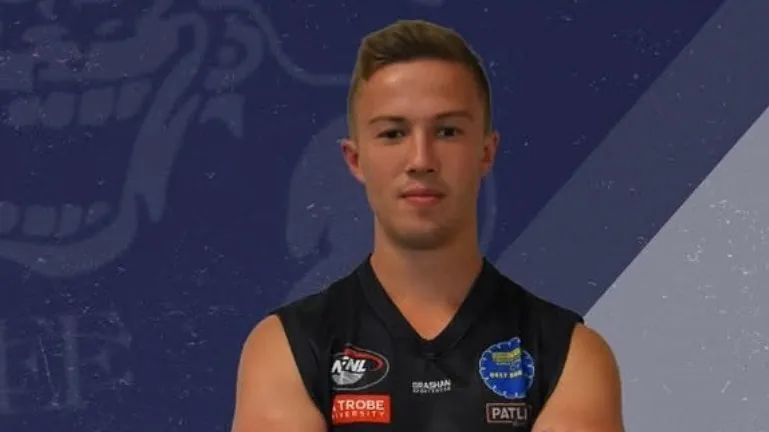
According to Epping Football Netball Club president Luke De Vincentis, Nathan appeared to knock his head multiple times, with the medical teams from both clubs rushing to his aid.
The head medic performed CPR until paramedics arrived at Lalor Reserve at about 1 pm on Saturday.




Nathan was rushed to hospital in a critical condition and has since deteriorated, with the club announcing that he is now receiving end-of-life care.
The incident has sent shockwaves through the football community, with Nathan’s teammates and opponents rallying around the Fitzgerald family. Epping’s social media pages have been inundated with messages of support, including from other clubs in suburban leagues.
Nathan’s teammates arrived at the Epping Football Netball Club on Sunday, where they supported each other in the wake of the devastating news.
Neuroscientist Alan Pearce from Swinburne University says that while these types of injuries are uncommon, they can occur at all levels of sport. “It’s not just a professional athlete issue,” Dr Pearce said.
“These are traumatic brain injuries and need the attention that they deserve.” Dr Pearce praised the quick actions of first responders and emphasized the importance of being aware and ready for such incidents at every game.
Analysis: What This Means for Australia
The incident highlights the risks associated with contact sports, particularly when it comes to brain injuries. While the risk profile is relatively low, the consequences can be devastating.
Ambulance Victoria chief executive officer Jordan Emery noted that contact sport always carries a risk of injury, but that should be viewed in context. “When we reflect on the many numbers of individuals who play different contact sports across Australia, that risk profile is relatively low,” he said.
However, experts are now calling for greater awareness and training on brain injuries in contact sports. Dr Pearce recommends that everyone involved in contact sports should attend training sessions to learn about brain injuries.
“The AFL run concussion workshops on a yearly basis, and there’s also organisations … that run concussion-aware courses,” he said. “I would recommend that everyone … educate themselves on a yearly basis on brain injuries as much as they would for first aid.”
Local clubs, including the Epping Football Netball Club, participate in relevant training, ensuring first responders are prepared when an incident occurs. “All clubs run first-aid and CPR sessions and offer that to all of their medical volunteers,” Mr De Vincentis said.
“Concussion is now a major component of those training sessions.”